
Last updated November 22, 2026
 Whole-home duct cleaning
 Dryer vent cleaning
 Camera inspection
 Sanitizing & deodorizing
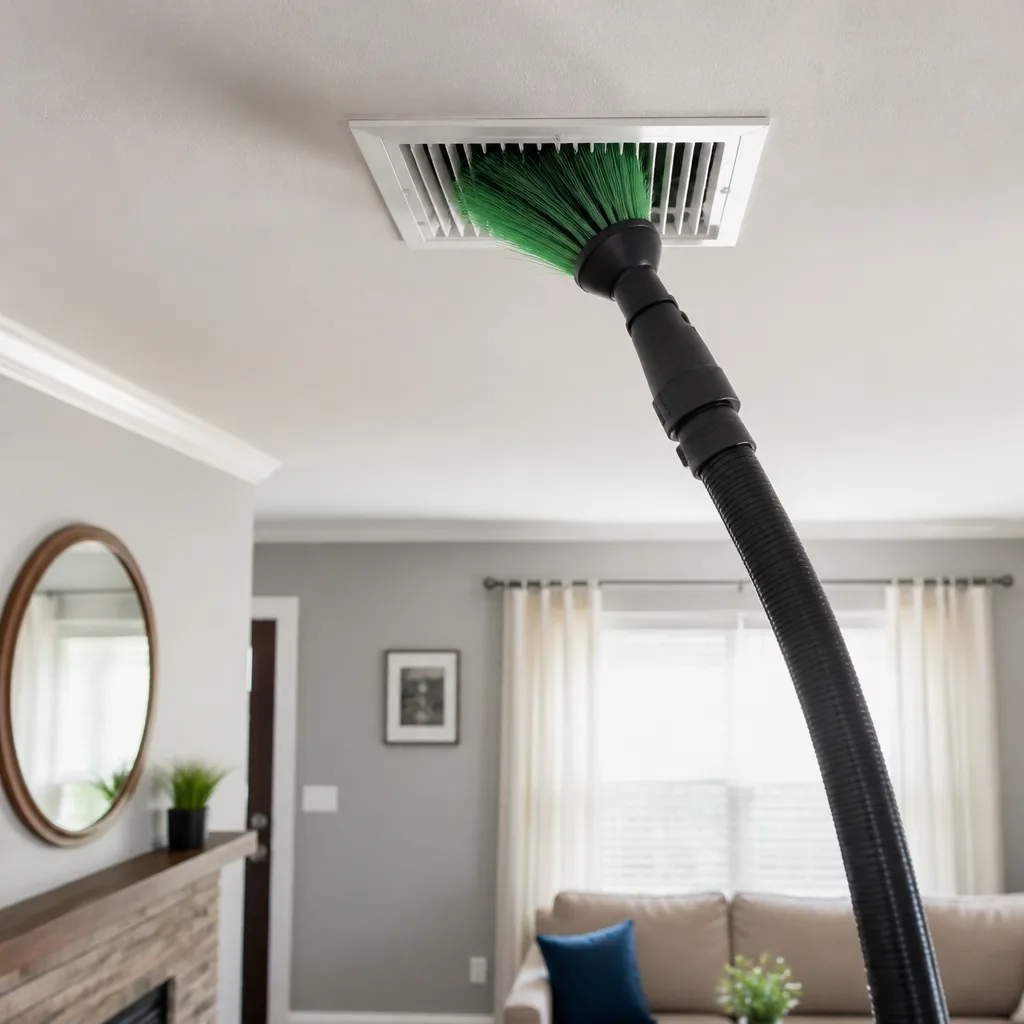
Whole-system duct and dryer vent check with before-and-after photos - you see exactly what came out of your vents
That "$99 whole-house special" is a bait ad - the real number appears once they are in your hallway, or the "clean" is a shop-vac at the register. We photograph the inside of your ducts before and after instead.
The Complete Guide to Air Duct Cleaning in Bedford Park
Most homeowners assume duct cleaning runs on a schedule. Three to five years, then repeat. The EPA doesn’t actually recommend a fixed interval, and understanding why that caveat exists tells you more about what matters in a Bedford Park home than any generic timeline ever could. Here’s the problem: your ducts are one node in a connected air pathway. Plenums, coil housings, and return boots all carry the same air. Clean one and skip the rest and you’ve moved dust around. This guide maps the whole system, explains what remediation-grade equipment actually looks like, and shows you how to read an estimate before you sign it.
Quick Answer
Air duct cleaning in Bedford Park typically costs between $450 and $2,200 for a full residential system, depending on square footage, how many supply and return runs you have, and the condition of the ductwork. A structurally complete job includes source-removal cleaning of the ducts, plenums, air handler, and evaporator coil housing, with HEPA-captured containment during the work. If a contractor quotes a flat teaser price before inspecting the system, the scope is almost certainly incomplete.
Styles & brands we work with
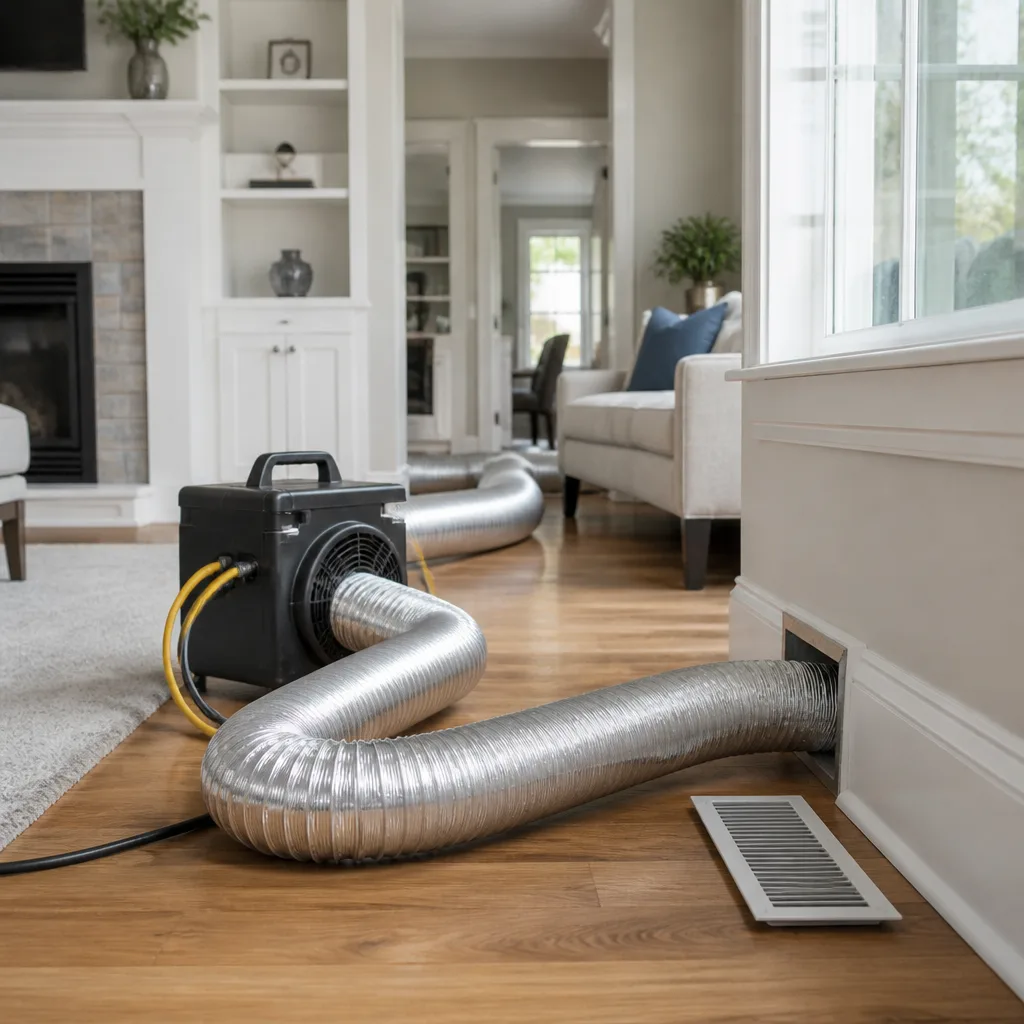
- Whole-home duct cleaning
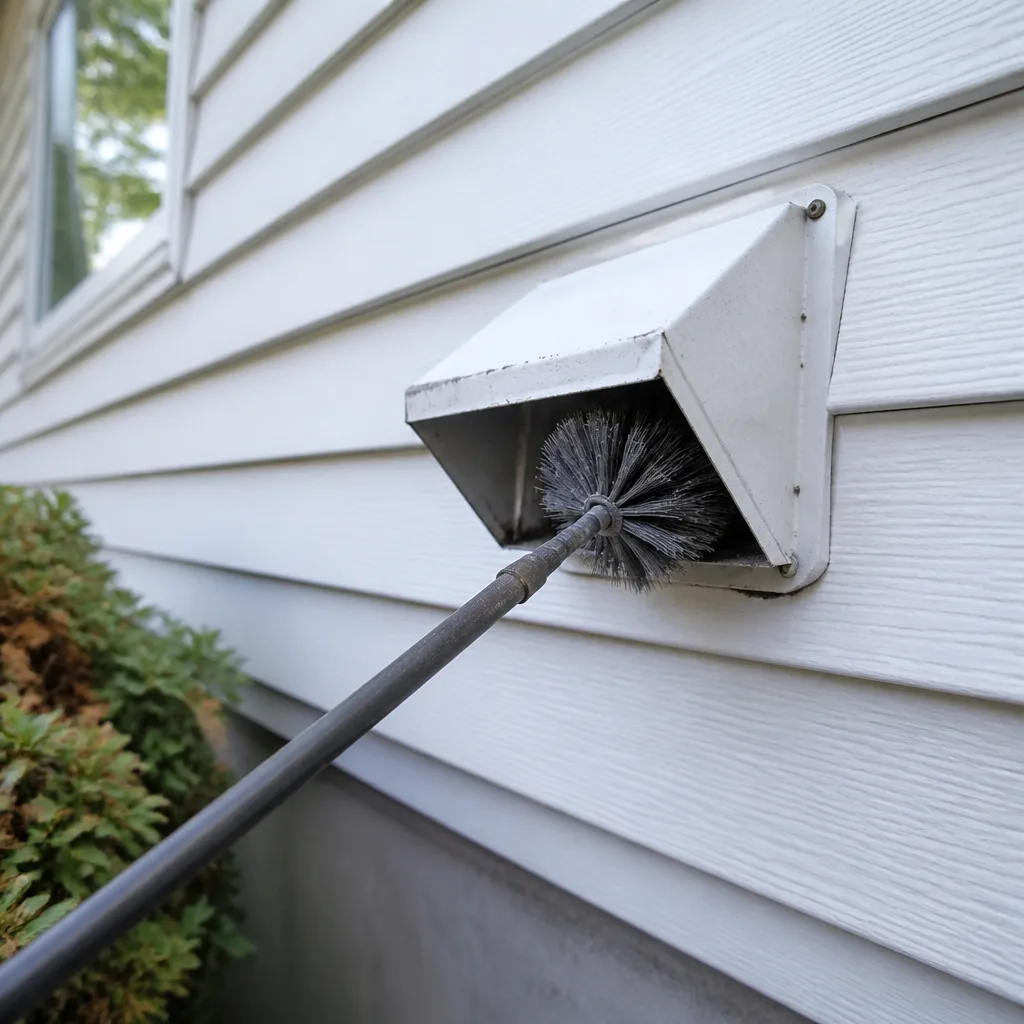
- Dryer vent cleaning
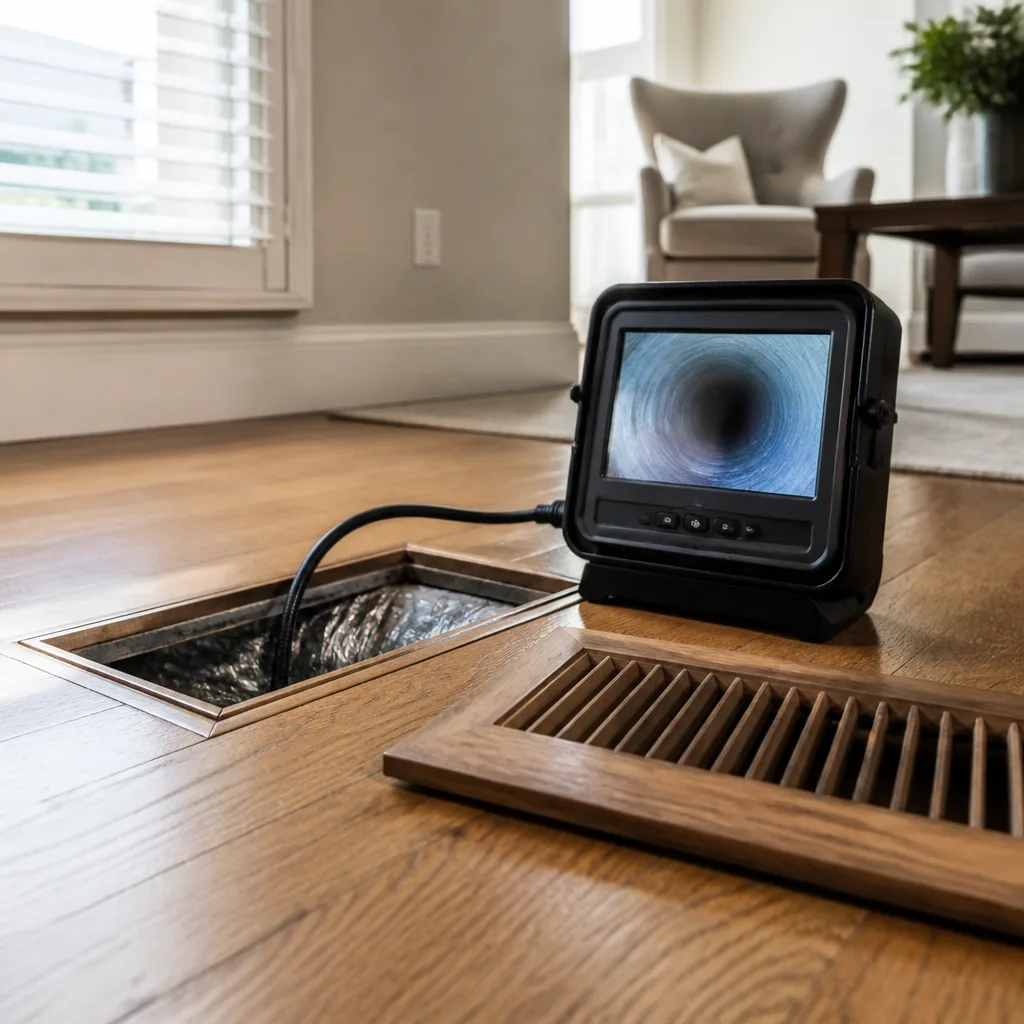
- Camera inspection
- Sanitizing & deodorizing
Table of Contents
- Why the EPA Doesn’t Set a Schedule, and What That Means for Your Home
- How Bedford Park’s Geography and Housing Stock Change Your Duct Contamination Profile
- Source Removal vs. Blow-and-Go: Reading the Equipment Tier
- The Full Air Pathway: Why Ducts Alone Are Structurally Incomplete
- What a Post-Cleaning Inspection Should Actually Include
- How to Read a Duct Cleaning Scope-of-Work Estimate
- Dryer Vent Cleaning: The Fire-Safety Service Most Companies Skip
- Sealing and Air Quality Hardware: One Company, Full System
Why the EPA Doesn’t Set a Schedule, and What That Means for Your Home
The EPA has stated there’s no evidence duct cleaning on a fixed schedule improves health outcomes. That’s not a warning against the service. It’s a signal that the right interval depends entirely on what’s in your ducts, not on a calendar. A household in Bedford Park with pets, allergies, or recent renovation has a very different contamination profile than an empty property with sealed windows.
So instead of asking “how often,” ask what triggers a cleaning. In our experience, these are the real ones:
- Visible dust plumes at supply registers after the system runs, which means particles are being pushed past registers that should be sealed.
- A recent HVAC repair or replacement, especially if the old coil or air handler was exposed during the work.
- Post-renovation debris, which settles in the return side and clogs coil fins over time.
- Musty odor when the fan kicks on, which usually points to microbial growth on the evaporator coil or in wet duct liner.
- Chronic allergy symptoms that spike inside the home and ease outdoors, worth evaluating alongside a cleaning and a sanitizing option.
- A home purchase, where you inherit an unknown maintenance history and often a decade of uncleaned returns.
The other angle the EPA caveat misses: contamination profiles aren’t just about “stuff in ducts.” They’re about where the air spends time. Bedford Park homes in the older housing stock near the Grand Concourse corridor and the smaller multifamilies off Jerome Avenue often have short return runs that pull from basements or hallways where dust and humidity collect intensively. That’s a different problem than a suburban ranch’s long ceiling returns, and it explains why some Bedford Park homes need cleaning while structurally similar homes elsewhere don’t.
How Bedford Park’s Geography and Housing Stock Change Your Duct Contamination Profile
Bedford Park sits in the central Bronx, ringed by industrial corridors along the Major Deegan and the rail yards to the east and south. The particulate load in the ambient air is genuinely higher here than in most suburban markets. That matters for duct cleaning because your HVAC system is, functionally, a very large air filter for the home. Whatever’s outside gets pulled through the return side. Whatever settles on the coil and in the plenum gets re-entrained with every fan cycle.
Add the housing stock. Bedford Park has a mixture of prewar apartment buildings and midcentury multifamilies, and the older ones often have original sheet metal trunk lines with boot connections that were never sealed properly. Those joints leak. In a leaky trunk, the system pulls ambient basement or wall-cavity air directly into the supply side. Cleaning the duct surfaces without addressing the leaks is half a job.
We also see a specific pattern in Bedford Park that’s easy to miss: seasonal humidity in the summer months combined with basement or utility-room ductwork that runs through unconditioned space. Condensation forms on cold duct exteriors, wets the liner or insulation, and creates the exact conditions for microbial growth. That’s not a Bedford Park-only problem, but the density and building age here make it more common than you’d expect.
If you’re evaluating Air Duct Cleaning Bedford Park services, ask any contractor how they account for building-age ductwork and unconditioned-space runs. A clear answer tells you a lot about how they operate.
Source Removal vs. Blow-and-Go: Reading the Equipment Tier
There are two general categories of duct cleaning and the equipment tells you which one you’re buying. Source removal is the NADCA-standard approach: mechanical contact with every accessible interior duct surface, followed by negative-pressure HEPA capture of everything dislodged. Blow-and-go is exactly what it sounds like. A technician opens a register, blows compressed air into the duct, and whatever was clinging gets redistributed throughout the home’s air. It’s cheaper. It’s also not cleaning.
How to read the equipment tier:
- Rotobrush contact-cleaning systems indicate source removal. The Rotobrush is a rotary brush on a flexible shaft that physically agitates the duct wall while a HEPA-filtered vacuum captures the debris at the point of contact. It’s used in commercial and remediation work, not just residential.
- Nikro HEPA source-removal equipment is a related tier. Nikro makes HEPA vacuums and negative-air machines that capture contaminants rather than releasing them. When it’s on the truck, the contractor is doing containment.
- Abatement Technologies air filtration is the containment layer. It scrubs airborne particles during the work, which matters if anyone in the home has a respiratory condition or if the duct load is heavy.
- Truck-mounted “Hepa-Vac” style negative-pressure units are the other standard. Not all truck mounts are HEPA; ask specifically. Brand name matters less than the filter class.
- Compressed-air only with no negative pressure and no contact brush is blow-and-go. If those are the only tools on site, the job isn’t a cleaning.
One useful rule: ask any prospective contractor what equipment they’ll be using before they arrive. A confident answer names the machines. A vague answer about “professional-grade equipment” without specifics usually means the equipment is a shop vac and a compressor. We take a specific position here: HEPA-captured work, not just loosened dust. If the dislodged material leaves the duct into your living room, you’ve traded one contamination problem for another.
The Full Air Pathway: Why Ducts Alone Are Structurally Incomplete
An HVAC system isn’t a set of tubes. It’s a connected air pathway with at least five nodes: the return boots, the return trunk, the air handler with its blower, the evaporator coil, and the supply trunk with its branch runs. Miss any one of them and the cleaning is structurally incomplete, because contamination from the neglected node re-enters the whole loop the moment the fan comes on.
In practice, here’s where the misses happen:
- The plenum tops above the air handler. Dust accumulates heavily here because it’s the lowest-velocity point on the supply side. Many “duct cleanings” never touch it.
- The evaporator coil. If the coil is fouled (a matted layer of dust and biofilm on the fins), you’ve got an ongoing source. No amount of duct cleaning fixes a dirty coil. It has to be cleaned or the ducts re-contaminate within weeks.
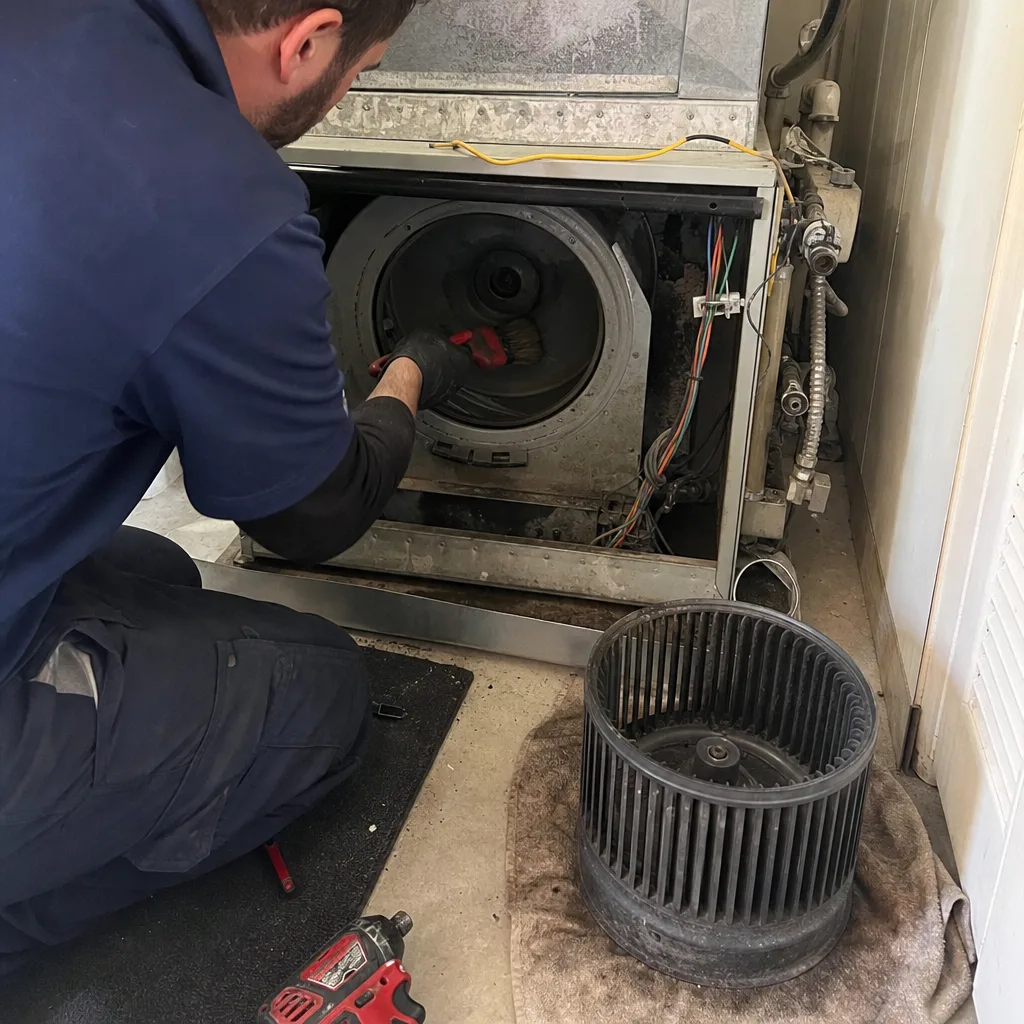
- The blower wheel. A blower with dust-caked vanes loses airflow efficiency and redistributes particles. Cleaning the ducts and leaving this alone is like washing a floor and forgetting the mop.
- The return boots and registers. These are often sealed to the wall with minimal sealing. Contamination and unfiltered air bypass the filter right here.
- The coil housing and drain pan. Wet areas attract microbial growth. The pan needs cleaned and the drain verified to flow.
If any contractor says “we clean the ducts” without mentioning the air handler or coil, you’ve found the missing line item. A complete job addresses the whole pathway, which is why we offer HVAC cleaning as a separate core service rather than tacking it onto duct cleaning as an option.
What a Post-Cleaning Inspection Should Actually Include
A before-and-after photo is marketing, not verification. The light and angle can be chosen to make almost anything look clean. A real post-cleaning inspection adds measurable checks that confirm the work was done and the system is functioning better than it was. Here’s what a defensible inspection includes:
- Visual verification with a scope at each accessible supply and return run, with photos. Useful, but only the starting point.
- Static pressure test on the supply and return sides. Dirty coils and clogged returns raise static pressure. A reading before and after tells you whether the cleaning actually improved airflow.
- Airflow verification at the registers, either by anemometer or flow hood. If return-side airflow improves after cleaning, that’s real evidence, not a photo.
- Microbial swab sampling (optional but useful) if you suspect biological growth on the coil or in wet duct liner. Sampling is a diagnostic, not a routine step, and the results only matter against a baseline.
- Photographic documentation of the plenum, coil, and blower wheel specifically, since those are the nodes most often skipped.
- A written summary of what was cleaned, what wasn’t, and what was found that you can file with your home records.
We’ve seen plenty of “post-cleaning inspections” that consist of a technician handing over three phone photos of the same duct run. Ask what will be measured, not what will be photographed. A contractor confident in remediation-grade work will happily describe the measurement plan before the job starts.
How to Read a Duct Cleaning Scope-of-Work Estimate
A duct cleaning estimate is a scope-of-work document. If it’s a one-line price, it’s not a scope. Here’s what a real one contains, and what to look for:
- Counted line items for each supply and return run. If it says “duct cleaning” as one line, ask for a run count. Line-item pricing is how you compare bids honestly.
- Named equipment. Rotobrush, Nikro, Abatement Technologies, HEPA negative-pressure machine. Any specific model reference works. “Professional equipment” with no name is a warning sign.
- Plenum, air handler, and coil cleaning as explicit line items, not bundled into “ducts.” If they aren’t listed, they aren’t being done.
- Sanitizing as a separate, optional line item, not bundled in as a mandatory add. Sanitizing makes sense when microbial growth is confirmed; it’s not a routine upsell.
- Duct repair and sealing as a distinct service. If the estimate notes leaking boot connections or uncovered seams, sealing should be quoted separately so you can decide.
- A “before-and-after” photo commitment using your own ductwork, not stock images.
- Written confirmation of the final price before work starts. The estimate sets the price, and the price is per system, not per vent.
Typical Bedford Park residential estimates fall in these ranges:
| Scope Item | Typical Range |
|---|---|
| Full residential duct system (supply + return), source-removal | $450 – $1,100 |
| Air handler and evaporator coil cleaning | $200 – $450 |
| Sanitizing (after cleaning, coil included) | $150 – $350 |
| Duct repair and sealing (leaking boots, unsealed seams) | $300 – $900 |
| Dryer vent cleaning | $120 – $250 |
| Full system (all of the above) | $1,200 – $2,200 |
These are typical estimates for the Bedford Park market, not quotes. The written estimate sets the final price. If a seller quotes a number before inspecting, that number is a guess with a coupon attached.
Dryer Vent Cleaning: The Fire-Safety Service Most Companies Skip
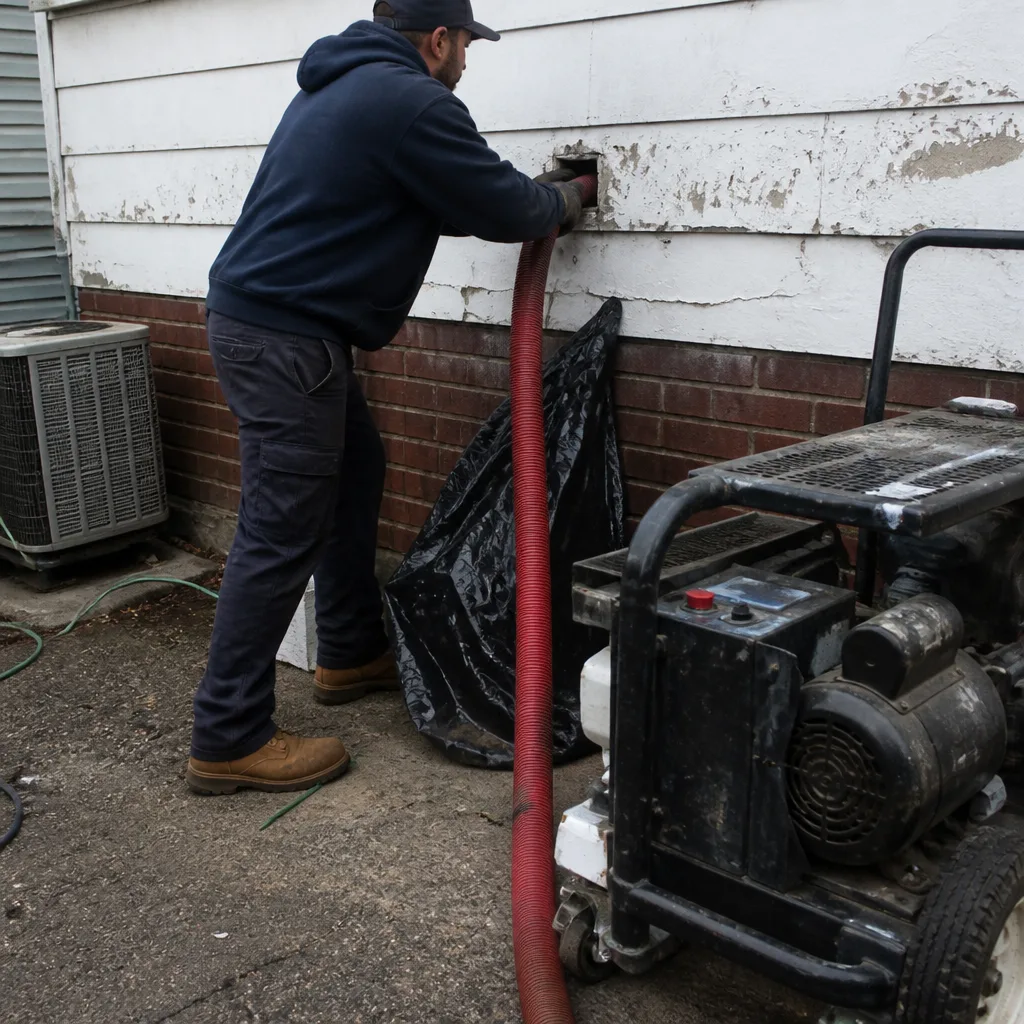
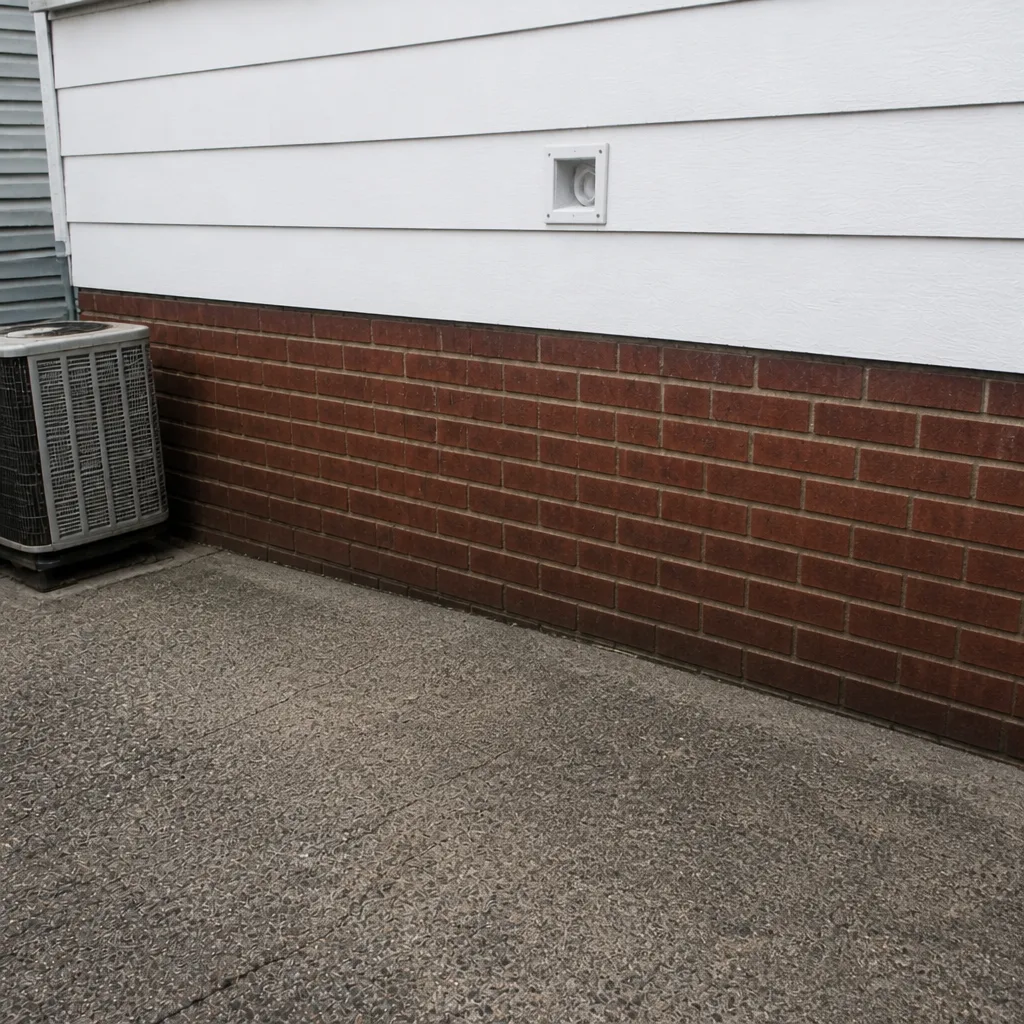
Dryer vent cleaning is a fire-prevention measure that the National Fire Protection Association recognizes in its standards, and most air duct companies either don’t offer it or treat it as a $49 upsell. That’s a mistake for reasons that have nothing to do with revenue. Lint accumulation in the exhaust run restricts airflow, raises dryer operating temperatures, and creates the conditions that lint fires need. It’s one of the more preventable fire risks in a home and it costs a small fraction of a duct cleaning to address.
In Bedford Park, the complication is configuration. A lot of the multifamily buildings and prewar apartments here have long, circuitous dryer vent runs because the laundry is in a middle floor or an interior closet with no short path to the exterior. Long runs with multiple elbows accumulate lint faster, and a rigid-metal run with proper slope performs very differently from a flexible foil run that sags. When we do dryer vent cleaning, we inspect the whole run: termination cap, elbows, any crushed flexible section, and the transition behind the dryer. If the run is structurally poor (crushed, sagging, or improperly terminated), cleaning alone won’t fix it; we’ll tell you what’s wrong so you can act on it.
Timing: any time the dryer takes noticeably longer to dry a load, the vent should be evaluated. If it’s been more than a year since anyone inspected the vent, it’s overdue.
Sealing and Air Quality Hardware: One Company, Full System
Cleaning removes what’s in the ducts. Sealing makes sure what’s been removed doesn’t come back. Those are different jobs and they need to be done in order, because sealing a leaky duct system without cleaning first just traps contamination between the liner and the wall.
Where we seal, specifically:
- Boot-to-floor and boot-to-wall connections, which are almost always the largest leaks in a residential system.
- Trunk-line seams and joints, especially in prewar Bedford Park buildings where original sheet metal was often merely crimped, not sealed.
- Return-side plenum seams, where negative pressure pulls ambient air in.
- Register gaps, which are the most common source of dust plumes.
We use professional-grade sealing materials, and we flag any duct run that should be replaced rather than sealed. Duct repair and sealing is a named service, not an add-on.
The last piece of the chain is air quality hardware. Filtration and humidity control systems from Honeywell and Aprilaire are the two brand families most compatible with high-end residential HVAC equipment. We’re familiar with both, we can evaluate whether your existing filter housing is doing what it should, and we install Honeywell and Aprilaire systems when a homeowner wants better filtration or humidity management at the whole-house level. We don’t manufacture these brands and we’re not sponsored by them. We work with them because they’re the standard. If you’re also considering a Guardsman filtration option, we can talk about how that compares.
That’s the “one company, full system” idea in practice. Cleaning, sealing, and hardware all live in the same chain, and having them handled by the same team means the chain doesn’t get handed off mid-job.
Common Mistakes to Avoid
- Hiring on price alone. A very low quote usually corresponds to a blow-and-go job with compressed air and no containment. The redistribution problem it creates is worse than the dust that was already there.
- Accepting a quote before inspection. A contractor who names a price without looking at your system, counting runs, or checking the coil isn’t estimating; they’re guessing. Insist on an on-site inspection first.
- Skipping the air handler and coil. Cleaning the ducts but leaving a fouled evaporator coil in place means the ducts re-contaminate within weeks. Insist that both appear as explicit line items.
- Trusting before-and-after photos as verification. Photos are easy to stage. Ask for static pressure readings and airflow verification alongside them.
- Sanitizing before cleaning. Sanitizing on top of dust and biofilm doesn’t reach the surface underneath. Cleaning comes first, always.
- Ignoring leaky boots. In older Bedford Park multifamilies, unsealed boot connections pull ambient wall-cavity air into the supply side. Cleaning without sealing wastes the cleaning.
- Treating the dryer vent as an upsell. Lint accumulation is a fire-safety issue and it deserves its own inspection, not a tacked-on line at the end of the invoice.
See the difference
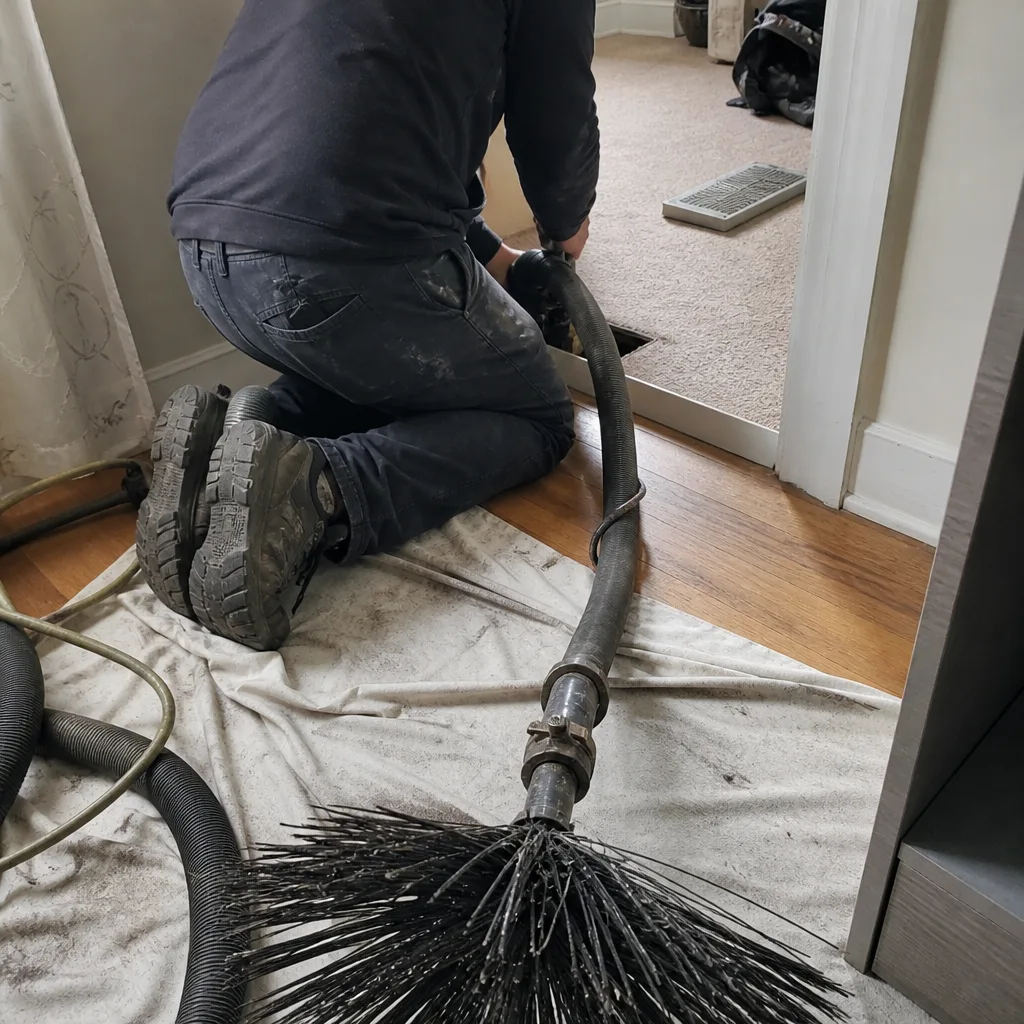 Before
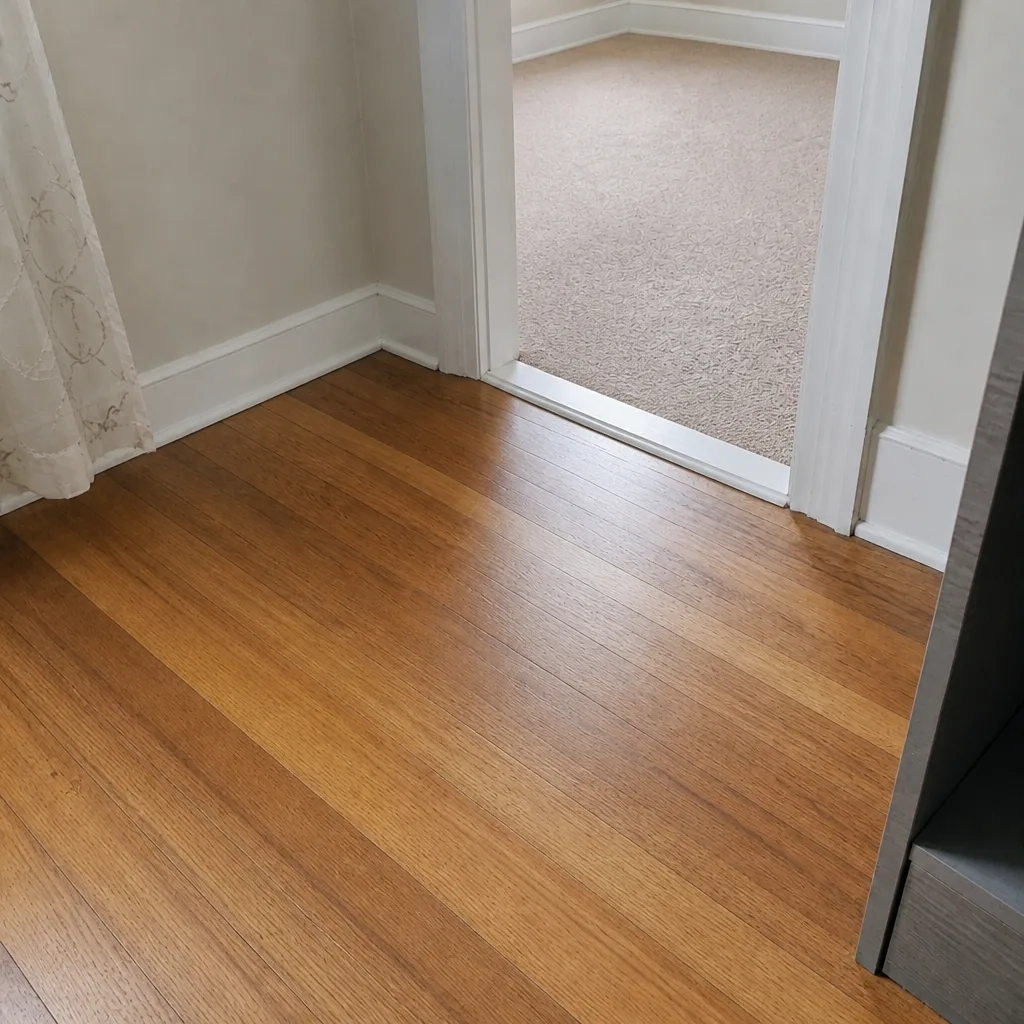 After
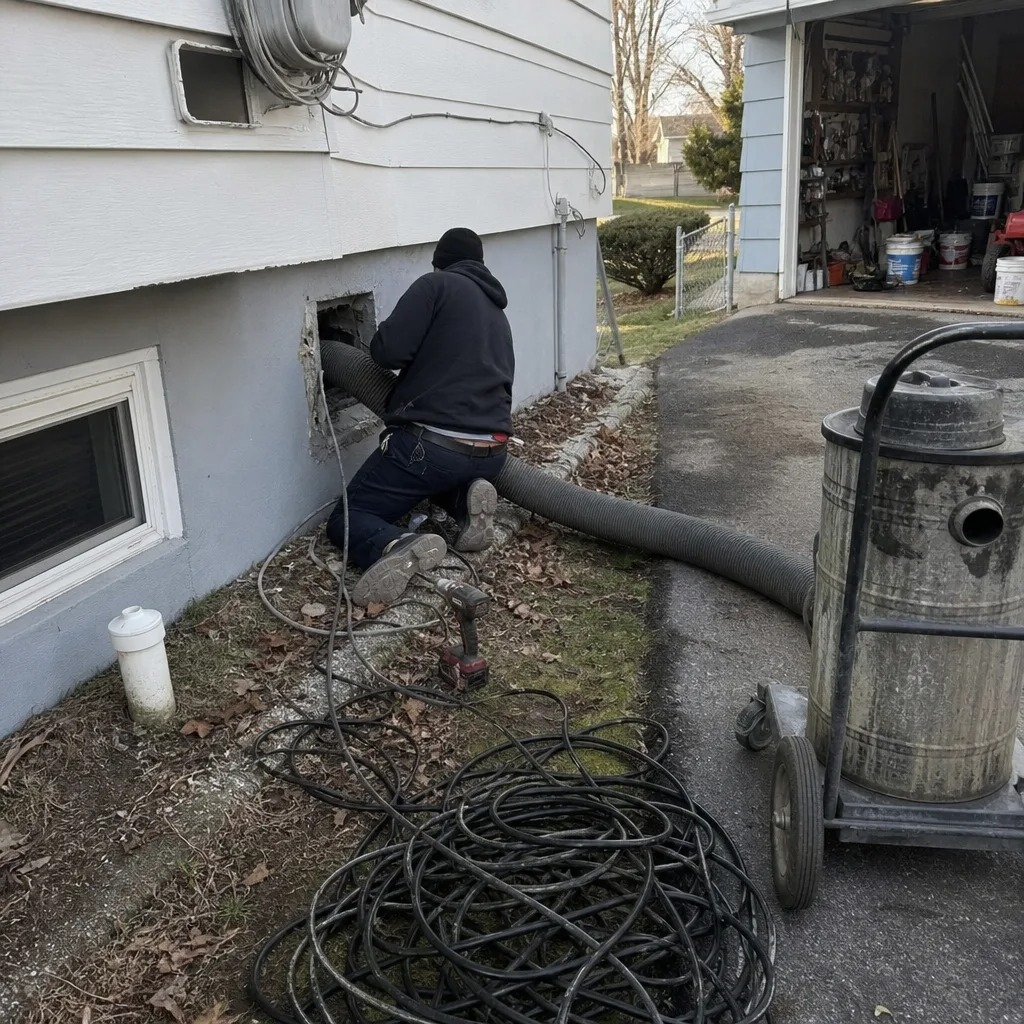 Before
 After
 Before
 After
When to Call a Professional
Some conditions genuinely call for a professional evaluation rather than a DIY pass with a shop vac. Visible dust plumes at registers when the system runs. Persistent musty odor from the supply side. A recent HVAC repair, coil replacement, or major renovation. A home purchase with an unknown maintenance history. A dryer that takes noticeably longer to finish a load. Confirmed or suspected microbial growth, which is a remediation situation, not a cleaning one, and carries a real health concern that deserves a proper evaluation rather than a wipe-down. Anything involving the air handler or coil on a system you don’t know well. And any multifamily Bedford Park building where an owner wants a documented condition report for a property record. Air Duct Cleaning Bedford Park offers free estimates in Bedford Park. Call (844) 702-0856. We answer 24/7. Fast dispatch from 7am to 7pm, Sunday through Friday.
Frequently Asked Questions
Air duct cleaning in Bedford Park typically costs between $450 and $1,100 for a full residential system, with air handler and coil cleaning adding $200 to $450, and full-system jobs (including sealing and dryer vent) landing between $1,200 and $2,200. The written estimate sets the final price, and the price is per system, not per vent. Call (844) 702-0856 for an exact quote. Estimates are free.
Cheap quotes are cheap because the scope is smaller than it looks. A $199 “full duct cleaning” is usually compressed air through the registers with no contact brush, no HEPA containment, and no air handler or coil work. That’s the blow-and-go tier, and it redistributes contaminants rather than removing them. The honest comparison is scope for scope, not price against price. Call (844) 702-0856 and we’ll walk through what a full-system quote should contain.
Ask for measurable verification, not just photos. A defensible inspection includes static pressure readings before and after, airflow verification at registers, and photos of the plenum, coil, and blower wheel specifically, with a written summary of what was and wasn’t cleaned. Before-and-after photos using your own ductwork are useful, but they’re only part of the picture. Call (844) 702-0856 to talk through what our post-cleaning inspection covers.
The EPA doesn’t recommend a fixed interval, and the honest answer is that it depends on what’s happening in your home. Pet dander, renovation work, a recent HVAC repair, or visible dust and odor are the real triggers in Bedford Park, not a calendar year. A home with heavy conditions may need evaluation sooner than a home with clean, sealed ductwork. Call (844) 702-0856 if you’re unsure whether now is the time.
Both, and they need to be quoted separately. Cleaning ducts without evaluating the air handler and evaporator coil is structurally incomplete because the coil re-contaminates the ducts. Our air duct cleaning scope includes plenum, air handler, and coil work as named line items. Call (844) 702-0856 and we’ll explain what’s actually in the estimate.
Yes, and it’s treated as a genuine fire-safety service rather than an upsell. Lint accumulation in a long or crushed vent run raises dryer operating temperature, which is a preventable risk. Bedford Park’s multifamily buildings often have long, circuitous vent runs that need the whole path inspected, not just the duct opening. Call (844) 702-0856 to schedule a dryer vent evaluation.
The Bottom Line
Duct cleaning isn’t a schedule. It’s a diagnosis. The right interval depends on your building age, your home’s real particulate load, and whether the whole air pathway (plenums, coil, air handler, boots, and returns) is being addressed alongside the duct runs. Source-removal cleaning with contact equipment and HEPA containment is the tier that actually removes contamination. Blow-and-go is not. Sealing matters, because without it cleaned ducts re-contaminate. A post-cleaning inspection with measured verification is the real proof the work happened. And the estimate you sign should be a scope-of-work document with every line item visible. That’s the standard we hold ourselves to in Bedford Park.
Call (844) 702-0856 for a free estimate. We answer 24/7. Fast dispatch from 7am to 7pm, Sunday through Friday. Ask us what equipment we’re bringing. We’ll tell you.
Written by the team at Air Duct Cleaning Bedford Park.