
Last updated November 22, 2026
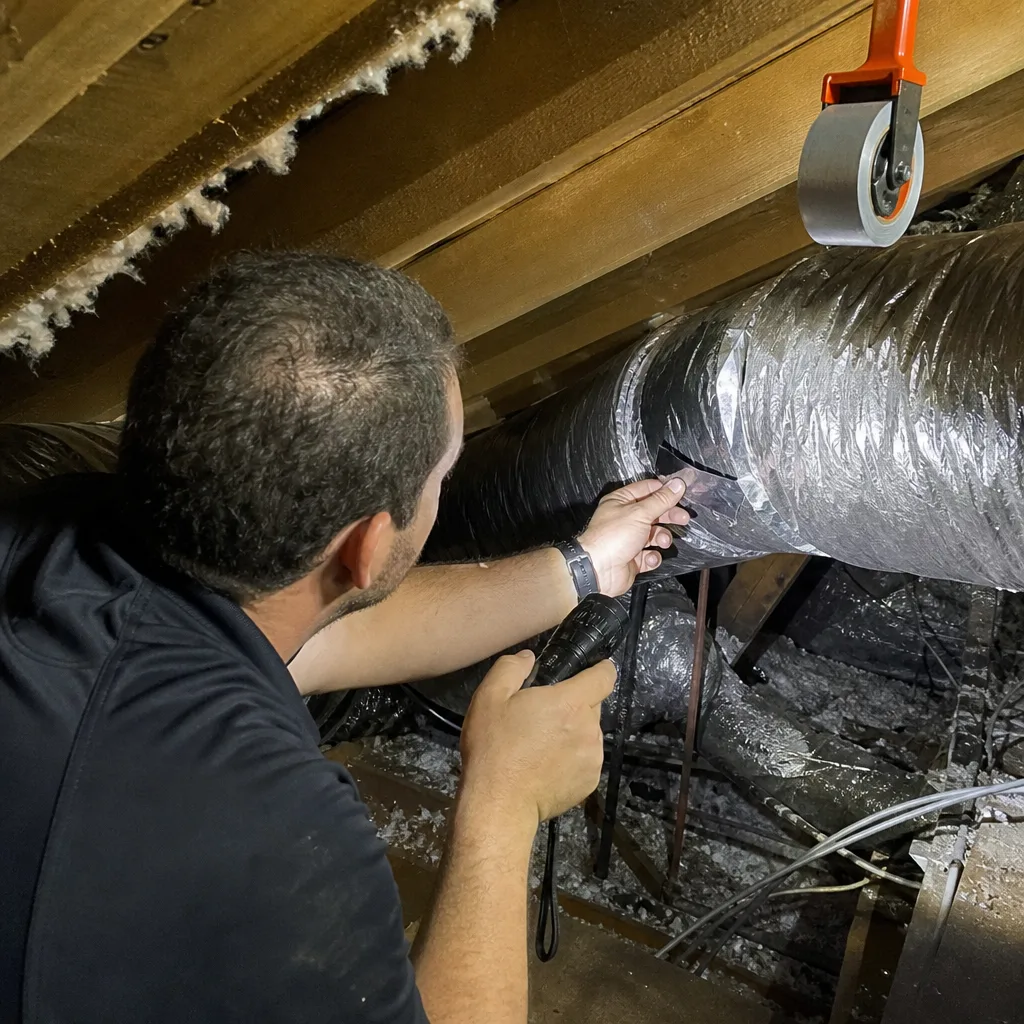
 Whole-home duct cleaning
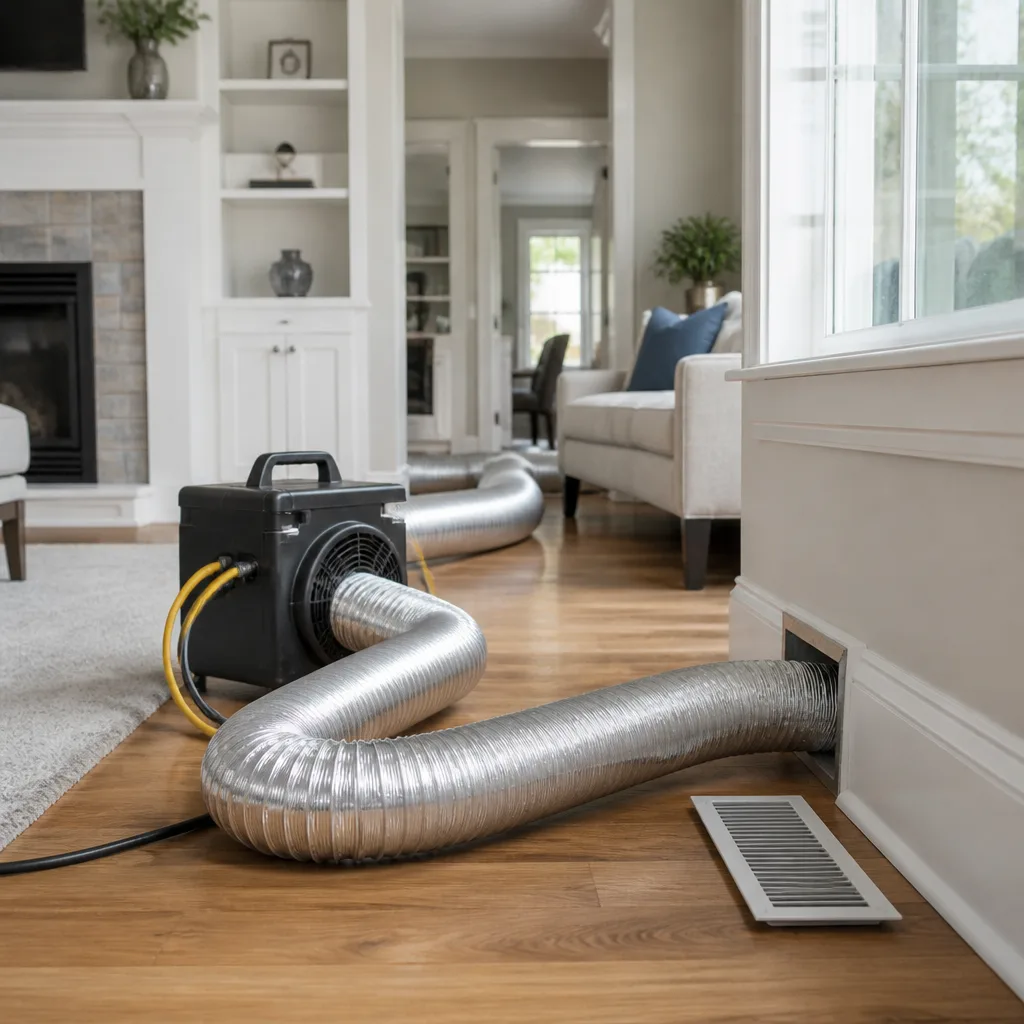
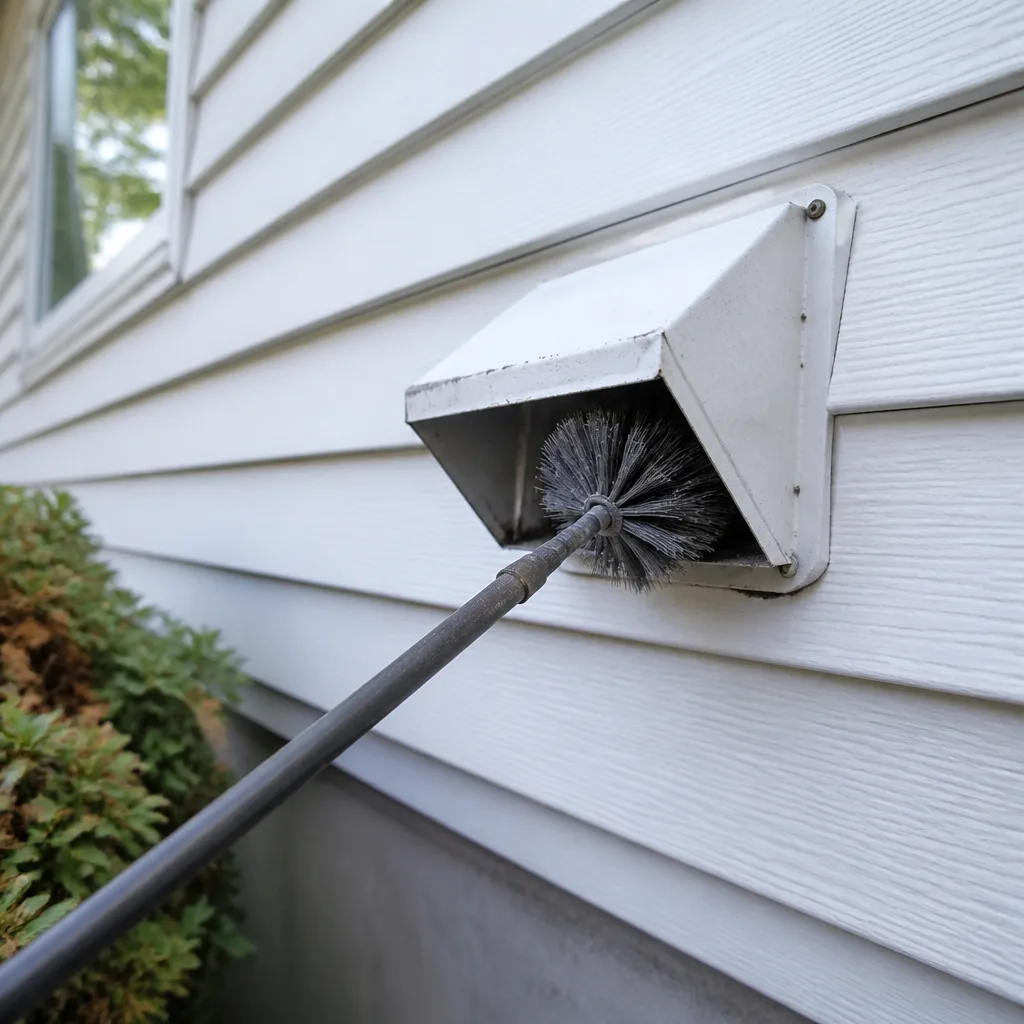 Dryer vent cleaning
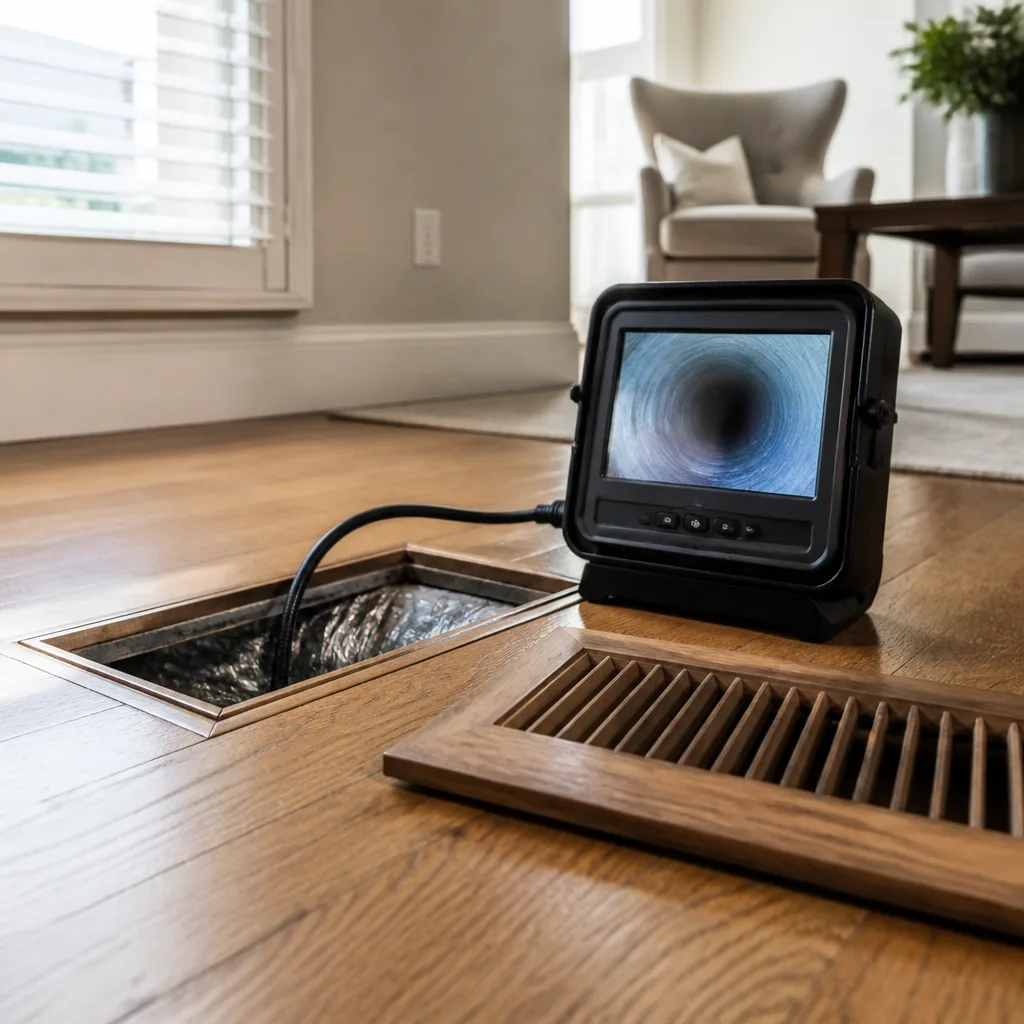 Camera inspection
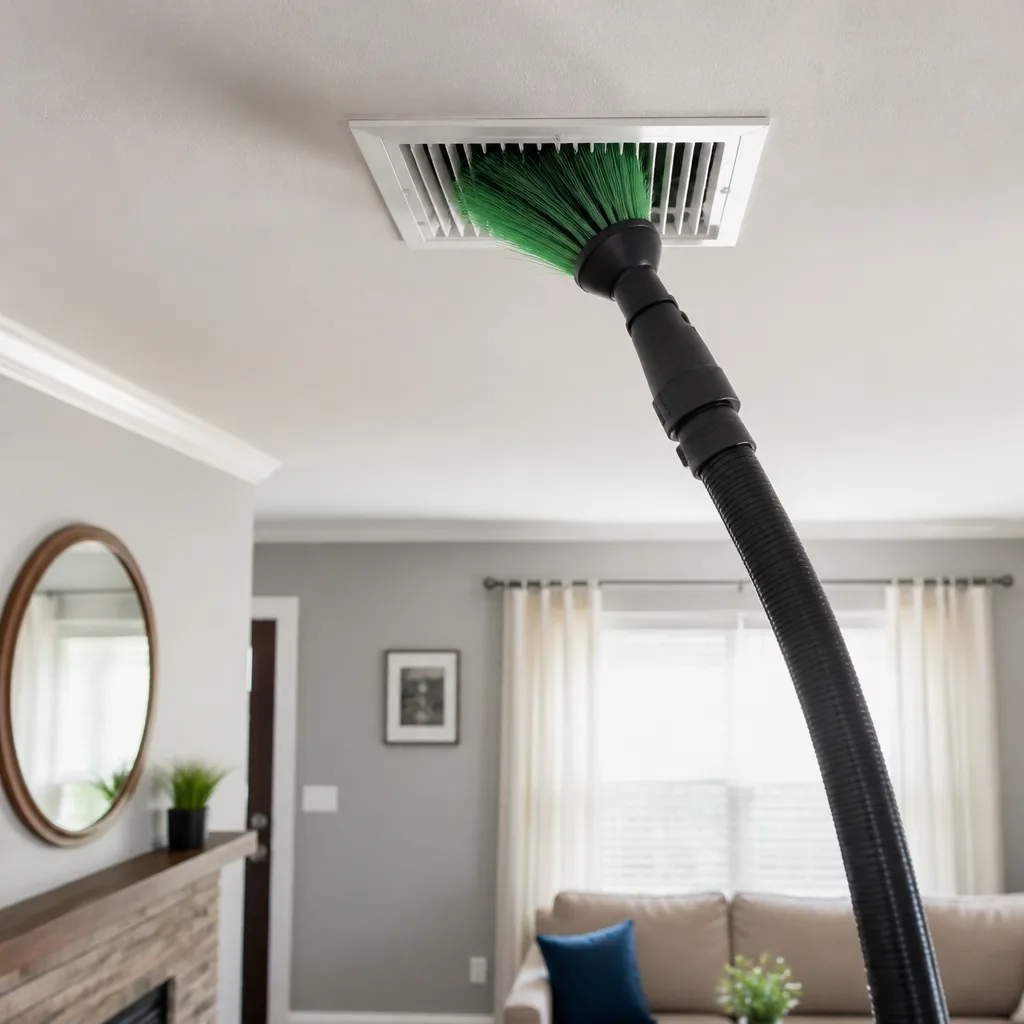 Sanitizing & deodorizing
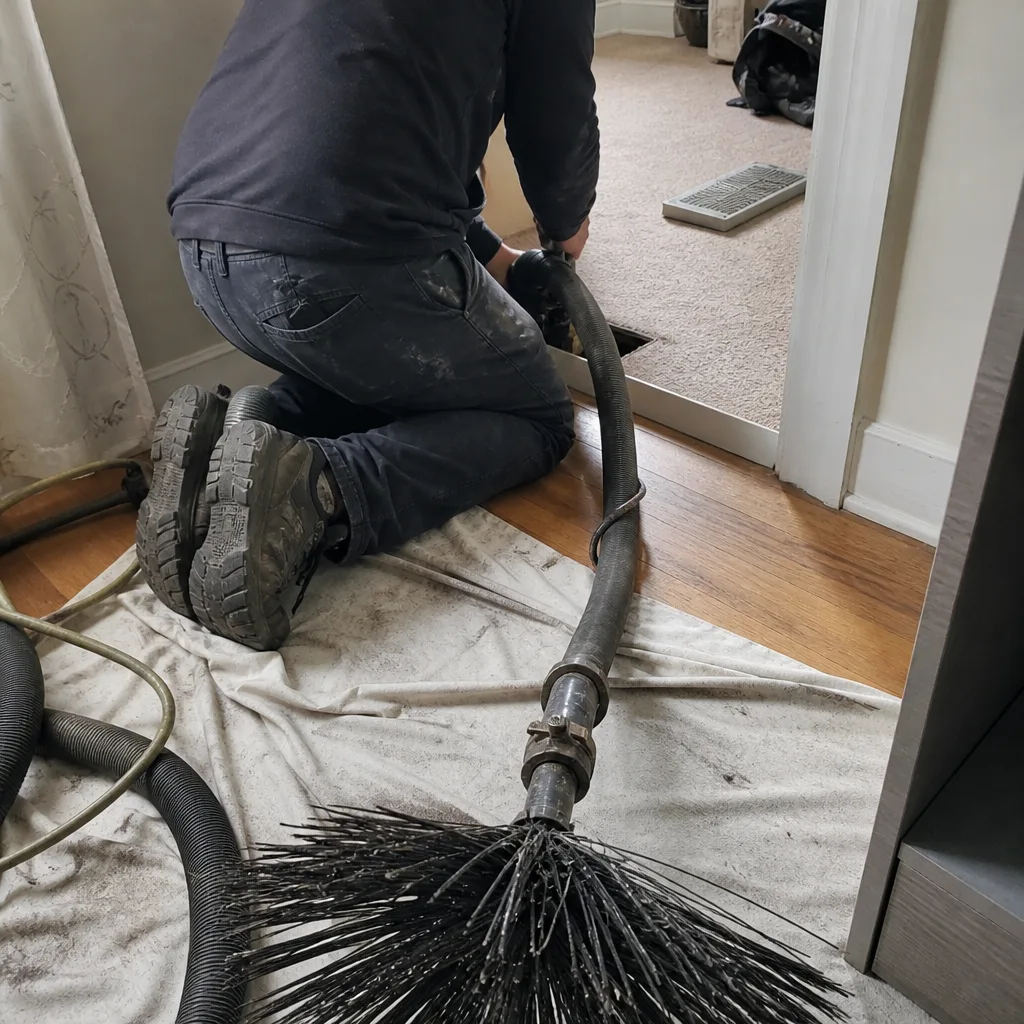
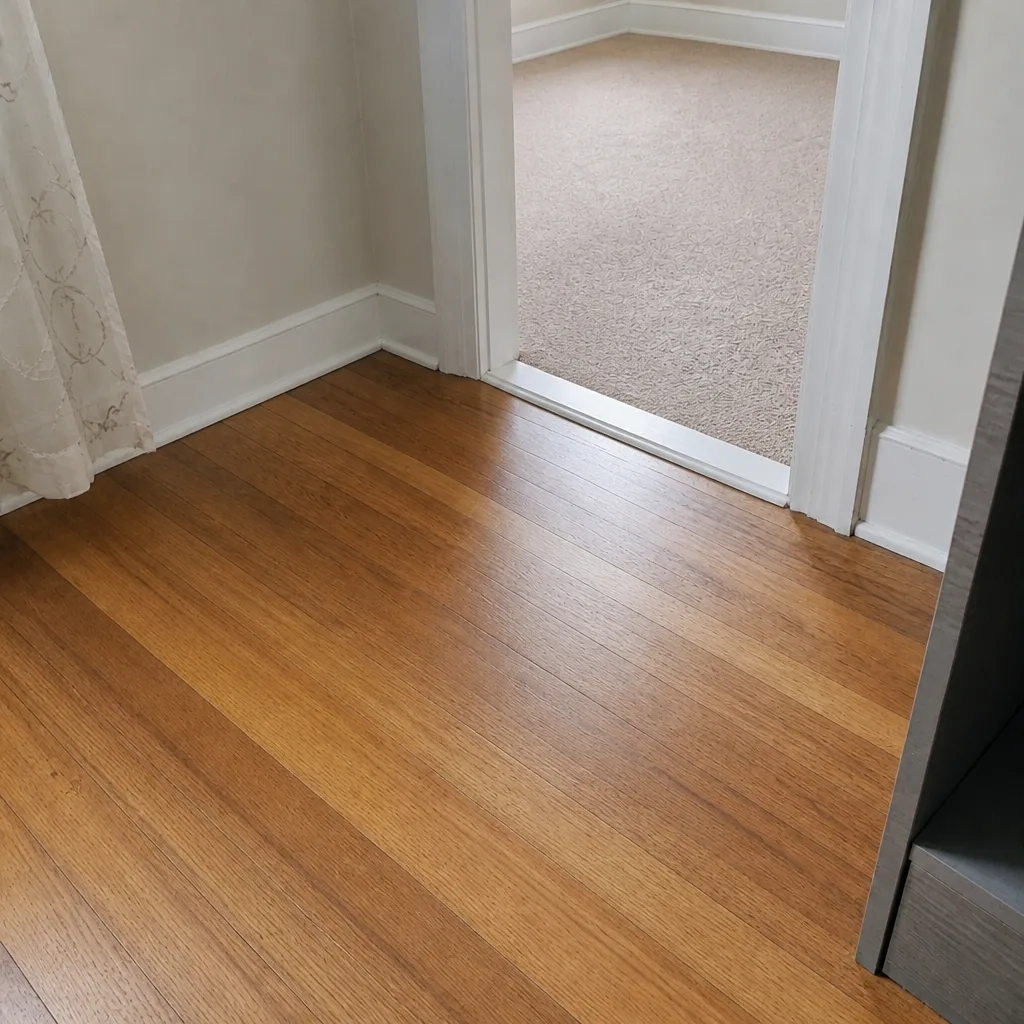
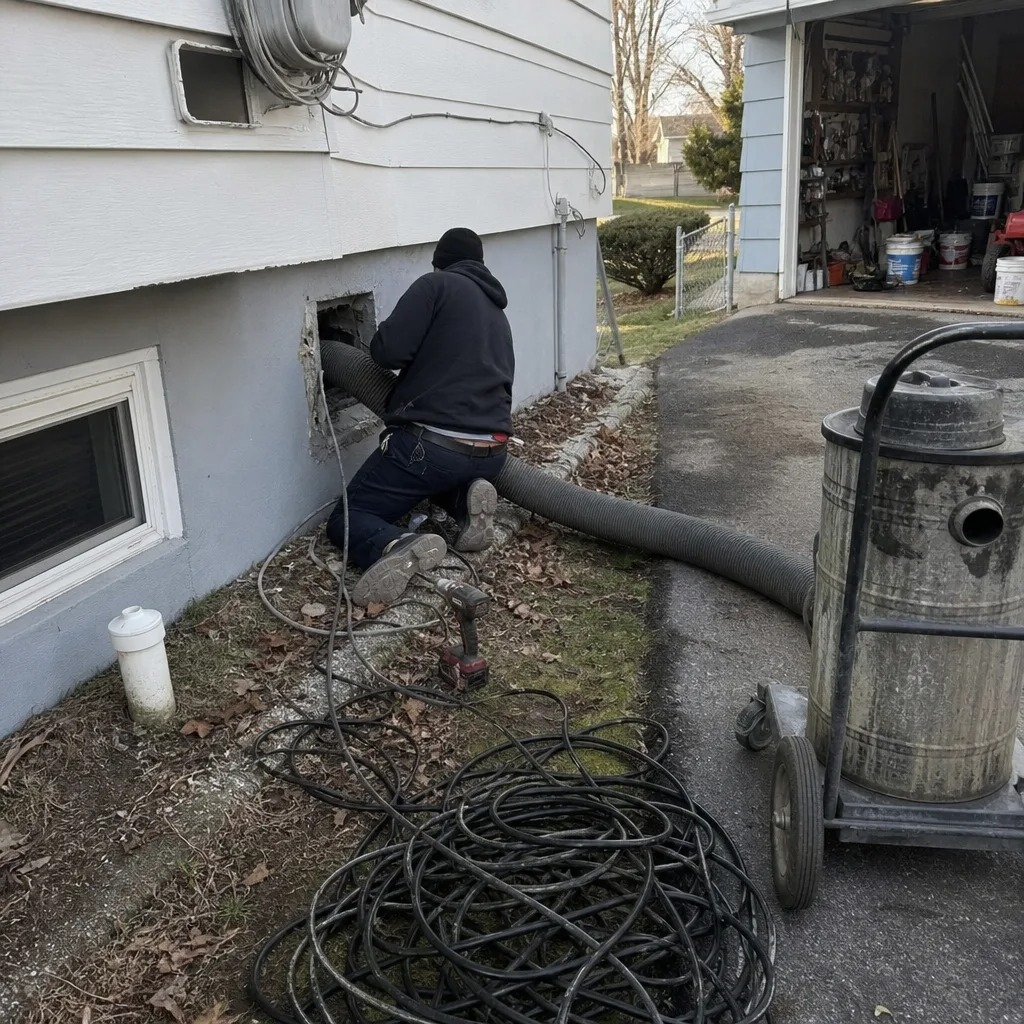
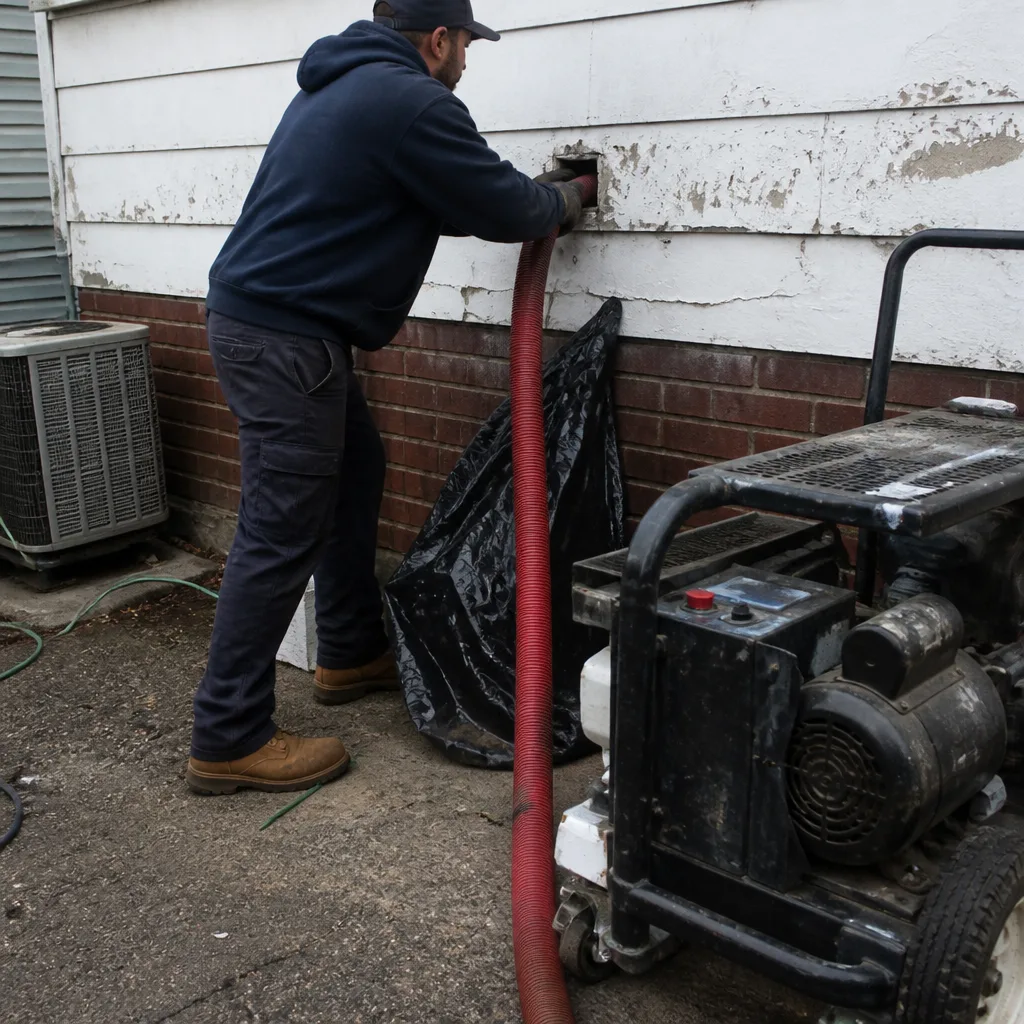
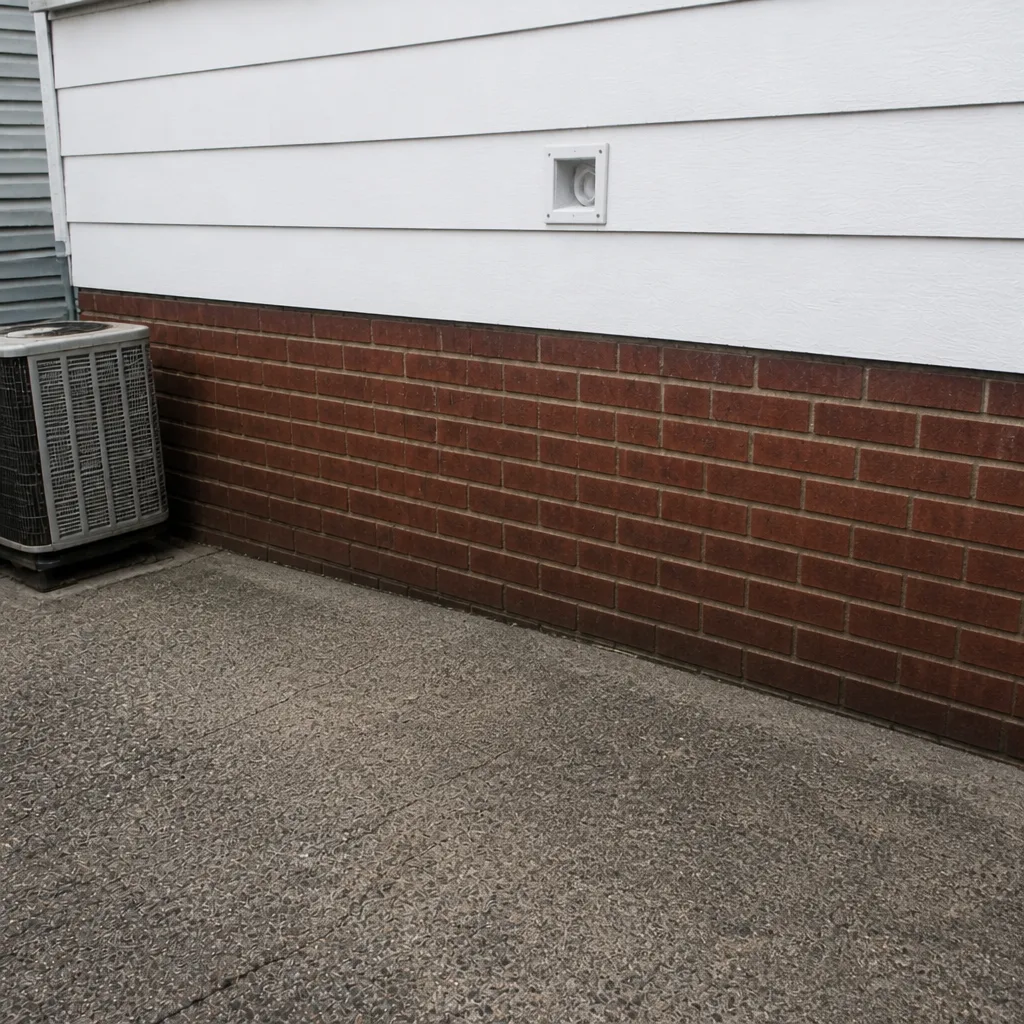
Whole-system duct and dryer vent check with before-and-after photos - you see exactly what came out of your vents
That "$99 whole-house special" is a bait ad - the real number appears once they are in your hallway, or the "clean" is a shop-vac at the register. We photograph the inside of your ducts before and after instead.
How to Hire an Air Duct Cleaning Contractor in Bedford Park: A Step-by-Step Guide
A $99 whole-house duct cleaning offer in Bedford Park almost always means one of two things: a bait-and-switch to upsell chemical treatments once the technician is inside, or a cleaning performed with a shop vac and a rotary brush that leaves more debris dislodged than removed. New York State does not license air duct cleaning contractors, so there is no state board to check and no license number to verify. That single fact changes how you hire. Your protection is not a credential the contractor holds – it is the questions you ask before anyone touches your system. This guide walks through the exact vetting process: equipment specifications to request, insurance questions that go past general liability, proposal red flags, and what a legitimate walk-through looks like. By the end you’ll know how to separate a remediation-grade contractor from a low-bid operator in Bedford Park.
Quick Answer
To hire an air duct cleaning contractor in Bedford Park, verify three things before you agree to work: the specific equipment they’ll bring (a negative-pressure vacuum with a stated CFM rating, mechanical or pneumatic brush agitation, and HEPA source-removal), a written proposal that itemizes scope with a walk-through completed first, and liability insurance that specifically covers duct system damage. NADCA membership is a starting point, not proof of quality. A legitimate contractor will answer all three without hesitation and put them in writing.
Styles & brands we work with
- Whole-home duct cleaning
- Dryer vent cleaning
- Camera inspection
- Sanitizing & deodorizing
Table of Contents
- Why New York Doesn’t License Duct Cleaners – and What That Means for You
- Why NADCA Membership Is the Floor, Not the Ceiling
- What the ACR Standard Actually Requires From a Contractor
- The Equipment Questions That Separate Contractors
- How to Verify Insurance for Duct System Damage
- What a Legitimate Walk-Through and Estimate Looks Like
- Red Flags in Proposals and Pricing
- How to Verify the Work Was Actually Done
Why New York Doesn’t License Duct Cleaners – and What That Means for You
New York does not issue a license for air duct cleaning. Any company with a vacuum and a printed flyer can legally knock on your door in Bedford Park and offer the service. There is no state exam, no continuing education requirement, and no registry to check. Compare that to electrical work or plumbing, where the state mandates licensing and you can verify a contractor in minutes. Duct cleaning sits in an unregulated gap.
What fills that gap is voluntary certification and standards compliance. The two organizations that matter are NADCA (the National Air Duct Cleaners Association) and the standards body that publishes ACR, the Assessment, Cleaning, and Restoration standard for HVAC systems. Neither is legally required in Bedford Park. Both are the closest thing to an enforceable quality benchmark the industry has.
In practical terms, this means the burden of due diligence shifts entirely to you. The homeowner who asks nothing gets whatever the contractor decides to provide. The homeowner who asks specific, technical questions gets a very different job – because the questions themselves filter out operators who can’t answer them.
What you can actually verify in Bedford Park
- Whether the company appears in the NADCA member directory (a real, checkable listing)
- Whether they can explain ACR compliance in specific terms, not slogans
- Whether they name their equipment brands and vacuum specifications
- Whether they carry liability coverage that extends to duct system damage
- Whether they’ll do a walk-through before quoting
None of these is a state credential. All of them are more useful than one would be, because they require the contractor to demonstrate knowledge rather than produce a piece of paper. A technician who can speak fluently about negative pressure and CFM ratings has done the job. A technician who can’t probably hasn’t.
Why NADCA Membership Is the Floor, Not the Ceiling
NADCA membership is a meaningful signal – it tells you the company has chosen to join a trade association with published standards, and it usually means access to training and certification for their technicians. It should be your minimum bar. It is not a guarantee of quality, and treating it as one is how Bedford Park homeowners end up disappointed.
Here’s the honest complication: NADCA membership is held at the company level. It doesn’t tell you which individual technician will arrive at your home, what equipment they’ll actually use, or whether the standard will be followed on your job. A company can hold membership and still send an under-trained crew with the wrong equipment if the job is priced to win on volume rather than quality.
What NADCA does tell you is that the company has committed to the ACR standard in principle. What you need to confirm is that commitment in practice. The way to do that is to ask the same questions in the walk-through that you would ask a non-member, and check whether the answers match what the association teaches.
Questions to ask about NADCA status
- “Is your company a current NADCA member, and can you point me to your listing?” – verifiable, not just claimed
- “Are your technicians NADCA-certified individually, and will a certified technician be on this job?” – separate from company membership
- “How do you comply with the ACR standard on a typical residential job?” – forces a specific answer
- “What’s your internal process for documenting that the standard was met?” – reveals whether ACR is real or a marketing phrase
If a Bedford Park contractor stumbles on the second and third questions, that tells you the membership is a badge on a website and not a working practice. Membership matters. Scrutiny matters more.
What the ACR Standard Actually Requires From a Contractor
ACR stands for Assessment, Cleaning, and Restoration – the industry standard for HVAC system cleaning. It’s published by NADCA and lays out what a legitimate job looks like, step by step. Understanding it is the single best way to evaluate whether a contractor in Bedford Park is doing the work properly, because the standard specifies requirements a low-bid operator routinely skips.
The standard has three phases, and each has requirements you can verify.
Assessment
Before any cleaning begins, the contractor must assess the system – inspecting the HVAC components, the ductwork, and the contamination present. This is what the walk-through is for. A contractor who quotes on the phone without looking at the system hasn’t done the assessment, and hasn’t met the standard.
Cleaning
The cleaning phase requires source removal – physically removing contaminants from the system, not just disturbing them. It requires negative pressure (a vacuum pulling air out of the system while cleaning happens, so debris moves toward the removal point rather than into your living space). It requires mechanical agitation (brushes or air whips) to loosen debris that has bonded to duct walls. And it requires HEPA filtration at the collection point to capture what’s dislodged.
Restoration
After cleaning, components that were removed must be reinstalled correctly, and the system must be returned to the operating condition it was in before work started – or better. Any damage from the cleaning process is the contractor’s responsibility to address. This is also where duct sealing and repair belongs if the system has leaks or disconnected runs. We take this phase seriously because we seal it, not just clean it. Skipping restoration is how a well-cleaned system still underperforms.
What you can ask a Bedford Park contractor about ACR
- “Walk me through how you do the assessment phase before quoting.”
- “What’s your negative pressure source, and what CFM does it produce?”
- “How do you document that source removal happened rather than redistribution?”
- “What does your restoration step include, and do you seal leaks as part of it?”
- “Do you have photos or video documentation I’ll receive after the job?”
If a contractor can answer all five fluently, you’re likely speaking to someone who actually follows the standard. If they can’t, you’ve just saved yourself a disappointing job.
The Equipment Questions That Separate Contractors
Equipment is the single most reliable signal of whether a contractor is serious. Two companies can both claim to “clean ducts” while one uses a truck-mounted blow-and-go rig and the other brings remediation-grade equipment. The difference is not cosmetic – it directly affects what happens to your indoor air during the job.
Ask these specific questions and listen for concrete answers. Vague responses are the answer.
1. What’s the negative pressure source, and what CFM does it produce?
Negative pressure is the vacuum that pulls air out of the system while cleaning. It’s usually rated in cubic feet per minute (CFM). Contractors who know their equipment will quote a CFM figure and can explain why it’s appropriate for a residential system of your size. Contractors who don’t will say “it’s a big vacuum” or dodge the question.
2. Is your brush agitation mechanical or pneumatic?
Both are legitimate. Mechanical brushes spin on a cable; pneumatic agitation uses compressed air to drive the brush or whip. What matters is that the contractor knows which their equipment uses and why it’s appropriate for your duct material – aggressive mechanical agitation on flex duct can damage the lining, while it’s fine on rigid metal. A contractor who has never considered the question may damage your system.
3. What captures the debris at the collection point?
The answer should be HEPA filtration. Without it, fine particulate that gets dislodged during cleaning ends up in your home’s air rather than in the collection unit. HEPA-captured, not just loosened – that’s the standard to hold contractors to.
4. What air scrubbing runs during the job?
Good contractors run supplementary air filtration in the work area while cleaning. We use Abatement Technologies air filtration units during every job – remediation-grade equipment that captures dislodged contaminants in the air itself, protecting your indoor air while work is underway. Ask whether the contractor brings anything comparable.
5. What’s the source-removal system?
Source removal means extracting contaminants at the point of disturbance. We use Nikro HEPA source-removal equipment for this. Ask what the contractor uses and whether it’s HEPA-rated. If they can’t name the equipment, it’s probably not HEPA.
We run the full complement: Rotobrush for contact cleaning, Nikro for HEPA source removal, Abatement Technologies for airborne particle control, and we work with Honeywell and Aprilaire systems for air quality hardware. Ask us what equipment we’re bringing – we’ll tell you, because the equipment is the proof. Call (844) 702-0856 to talk through a specific job in Bedford Park.
How to Verify Insurance for Duct System Damage
General contractor liability is not the same as coverage for duct system damage, and the difference matters. A contractor can carry liability insurance that covers bodily injury and property damage generally, while excluding damage to the HVAC system itself or capping it at a threshold far below the cost of replacing ductwork. In Bedford Park, where many homes have older rigid duct systems that are harder and more expensive to repair than modern flex, this distinction has real consequences.
What to ask for
- A certificate of insurance naming current coverage dates. Ask for it before work starts. Any legitimate contractor provides one within a day.
- Confirmation that the coverage includes HVAC and duct system components. The certificate alone won’t tell you this – you need the contractor to state it in writing or confirm it against the policy’s scope.
- The limits of the policy. Ask what the property damage limit is. If they dodge, assume it’s low.
- Whether workers’ compensation is carried for any crew on site. This is separate from liability and covers crew injuries – relevant to your liability if someone is hurt in your home.
- Whether the contractor will provide a certificate before the walk-through, not after the verbal agreement. This filters out contractors who don’t have coverage to produce.
Why “licensed and insured” isn’t enough here
Because New York doesn’t license duct cleaners, “licensed and insured” on a flyer in Bedford Park usually means “we have a general business insurance policy.” It says nothing about whether duct system damage is covered. Ask the specific question about coverage for duct systems and see what happens. The good contractors answer without hesitation. The others disappear.
What a Legitimate Walk-Through and Estimate Looks Like
A legitimate walk-through in Bedford Park takes thirty to forty-five minutes. It’s a diagnostic inspection, not a sales pitch, and it happens before any quote is given. If a contractor hands you a number on the first visit without looking at the system, you’re being quoted on a formula – typically a per-vent price – rather than on your actual home.
What should happen during the walk-through
- They inspect the air handler and the furnace or AC coil area. The system’s central components show the state of contamination – a technician looking at the coil can tell you whether the ducts have been cleaned regularly or whether they’ve been ignored for years.
- They check accessible duct runs and look for disconnections, leaks, or deteriorated flex. A system with disconnected runs will not respond to cleaning alone – it needs repair and sealing, which is one of the five service categories we cover.
- They inspect return vents and supply registers. This is how they spot visible contamination, mold, or pest intrusion before agreeing to a scope.
- They ask you about symptoms and history. Recent allergies, a new HVAC install, a home purchase, visible dust or mold – all inform what the job should include.
- They explain the equipment they’ll bring and the process. This is your chance to ask the questions in the previous section.
- They leave with a scope, not a price. The written estimate comes later, after they’ve had a chance to put the scope on paper.
What shouldn’t happen
- Any pressure to sign on the spot
- A discount that expires today
- A price that changes when the technician arrives
- An offer to “sanitize the whole system” without naming the EPA-registered product
- A quote with no scope detail – just a flat rate
If the walk-through goes well, you’ll have a written estimate with a per-job price and an itemized scope. That’s the standard: one flat price per job, agreed before work starts, with before-and-after photos of your own system at the end. If a Bedford Park contractor won’t put that in writing, that’s your answer.
Red Flags in Proposals and Pricing
The proposal is where low-bid operators reveal themselves. Read it carefully and look for these specific signals.
Flat-rate pricing with no scope detail
A proposal that says “duct cleaning – $X” with no line-item scope is a quote you can’t evaluate. You don’t know what’s included, what’s excluded, or what will trigger an extra charge during the job. The most common result is a low base price that grows once the technician is on site and “discovers” issues. A legitimate proposal itemizes the scope: which systems, which components, brush agitation method, source removal, air scrubbing, and restoration.
No pre-inspection before quoting
If the contractor quoted before walking your system, they quoted a formula. Their proposal is not about your Bedford Park home – it’s about a per-vent rate that doesn’t account for disconnected duct runs, contaminated coils, or old rigid duct that needs a different agitation approach. Skimming on the assessment phase is the single clearest sign the proposal is not worth reading.
Vague sanitizing claims
“Sanitizing included” without naming the EPA-registered product is meaningless. Sanitizing is a legitimate step when done properly, but only if the product is registered with the EPA and appropriate for HVAC surfaces. Ask for the product name and its EPA registration. If they can’t produce it, the “sanitizing” is a spray bottle with something unspecified.
Per-vent pricing that invites upcharges
Per-vent pricing sounds transparent but is usually the opposite – it creates an incentive to find more vents to quote. Modern homes in Bedford Park sometimes have more registers than the homeowner realizes, and each one becomes a line item. A per-job price for the whole system, agreed in writing, is the transparent approach.
Equipment that isn’t named
A proposal that says “professional-grade equipment” without naming anything is hiding what it doesn’t have. Rotobrush, Nikro, Abatement Technologies, and similar brand names are meaningful because the equipment behind them costs real money. If the contractor can’t name their equipment, it’s probably the cheap kind.
No verifiable insurance
If you asked for a certificate of insurance and it never arrives, the answer is no. A contractor who can’t produce proof of insurance before the job cannot produce it after the job either. Move on.
How to Verify the Work Was Actually Done
Verification is the last step, and it’s the one customers skip. The reason they skip it is that ductwork is hidden – you can’t see what happened inside the system. Good contractors solve this with documentation. Bad contractors count on you not asking.
What documentation to expect after the job
- Before-and-after photos of your system. Not stock images – your registers, your air handler, your duct runs. The comparison is the proof.
- A written summary of what was done. Components cleaned, equipment used, restoration work completed, any repairs or sealing performed.
- Named products used for sanitizing, if sanitizing was part of the scope, with EPA registration.
- A walk-through at the end of the job, not just a departure. A technician who explains what was done and shows you the documentation is a technician who did the work.
What to check yourself
Register airflow is a simple check – if the system was partially blocked by debris and cleaned properly, you’ll notice better airflow at the vents with the system running. Air quality sensitivity is another – if you have allergy symptoms, they should ease in the weeks after a proper cleaning, though this is subjective and slow. What shouldn’t happen is the opposite: more dust in the house after the job, which means the cleaning redistributed rather than removed contamination.
If you don’t get documentation
Call the contractor back and ask for it. A legitimate contractor produces it on request. If the request goes unanswered, that’s your signal about the quality of the work. You can also call Air Duct Cleaning Bedford Park to schedule a verification inspection if you’re unsure whether the job was done fully – a proper inspection takes minutes and tells you what’s actually in the system.
Common Mistakes to Avoid
- Booking on a $99 coupon without reading the proposal. The low base price is designed to get a technician inside; the actual invoice grows once “necessary” extras are discovered. In Bedford Park, the result is usually a total bill two to three times the coupon number, on a job that has no scope detail in writing.
- Hiring a contractor who quotes without a walk-through. A phone quote is a formula, not an estimate. You can’t evaluate a proposal that wasn’t based on your system, and you can’t hold the contractor to a scope they didn’t inspect.
- Skipping the insurance question. General liability is not the same as duct system coverage. If the crew damages a rigid duct run or a flex connection and the policy doesn’t cover it, you’re paying for the repair. Ask the specific question and get a certificate before work starts.
- Not asking what equipment is coming. Two contractors with the same marketing copy can bring entirely different equipment. If the contractor can’t name their negative pressure source and CFM rating, they probably don’t know it either – which means they didn’t choose it for your job.
- Accepting “sanitizing included” without a product name. A legitimate sanitizing step uses an EPA-registered product appropriate for HVAC surfaces. “Sanitizing” without a named product is a spray bottle with something in it, and you have a right to know what.
- Choosing based on the lowest quote alone. The lowest quote is often the least complete job – it excludes restoration, skips mechanical agitation, or brings a shop vac instead of a vacuum system. Comparing quotes without comparing scope is comparing the wrong numbers.
- Not asking about dryer vent cleaning as part of the scope. Dryer vents are a separate system from air ducts but they sit in the same home and present a fire risk if they’re never cleaned. Asking whether it’s available from the same contractor – and whether it’s a dedicated service or an upsell – tells you how the company thinks about fire safety. It’s one of the five services we consider core, not an add-on.
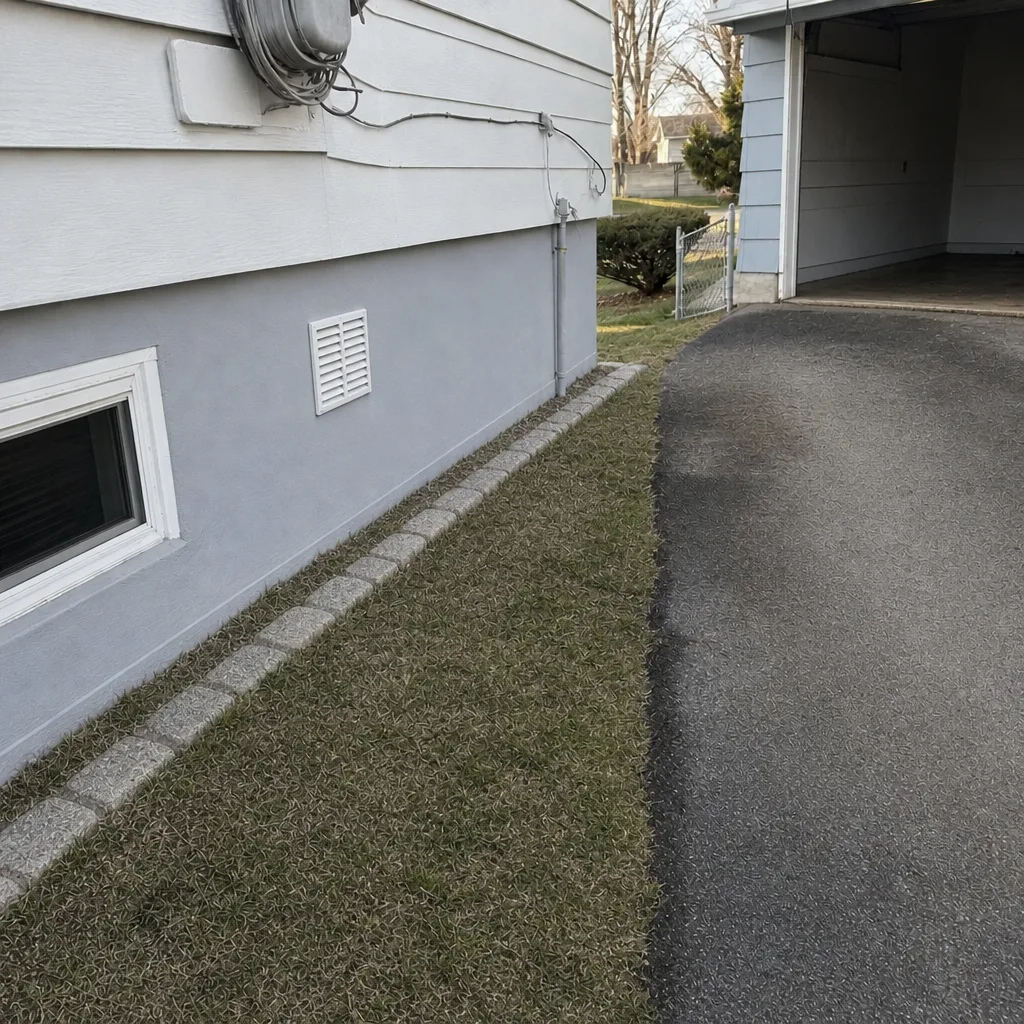
See the difference
 Before
 After
 Before
 After
 Before
 After
When to Call a Professional
Some air duct concerns are worth a DIY inspection. Most are not. Call a professional if you’re seeing visible dust plumes from registers when the system kicks on, if you smell musty or moldy air near vents, if your allergies or asthma symptoms are worse indoors than outdoors, if you bought a Bedford Park home and don’t know the last time the ducts were cleaned, or if your HVAC system has had a repair that should have triggered a clean. Also call if you’ve never had dryer vent cleaning done – that one is a fire safety measure, not a maintenance step, and it should happen on a schedule. Air Duct Cleaning Bedford Park offers free estimates in Bedford Park – call (844) 702-0856.
Frequently Asked Questions
Cost depends on the number of systems, the state of the ductwork, and whether restoration and sealing are needed – not on a per-vent count. Any quote you receive without a walk-through is not a real number. Call (844) 702-0856 for an exact quote – estimates are free.
The cheapest quotes leave out the expensive parts: the negative pressure system, HEPA source removal, air scrubbing, restoration, and insurance coverage for duct damage. A shop vac and a rotary brush cost a fraction of the proper equipment, and the invoice reflects it. Call (844) 702-0856 for an exact quote – estimates are free.
Ask for before-and-after photos of your own system and a written summary of the components cleaned and any restoration performed. If the contractor can’t produce those, the job is unverified. Call (844) 702-0856 for an exact quote – estimates are free.
Most homes don’t need cleaning on a fixed schedule – the right question is whether there’s contamination or an air quality problem that calls for it. Visible dust, mold near vents, or allergy symptoms are better triggers than a calendar. Call (844) 702-0856 for an exact quote – estimates are free.
No, and New York does not license duct cleaners at all. NADCA membership is a voluntary standard, and it’s the closest thing to a quality benchmark available. Use it as a floor, then ask the equipment and insurance questions yourself.
We handle both. Duct repair and sealing are part of the same job – a sealed system doesn’t leak conditioned air into your basement or attic, and it doesn’t pull contaminants into the system. Cleaning without sealing is cleaning that doesn’t last. Call (844) 702-0856 to talk through what your system needs.
The Bottom Line
Hiring an air duct cleaning contractor in Bedford Park comes down to three things you can verify before anyone touches your system: the equipment they bring, the insurance they carry, and the walk-through they do. NADCA membership and ACR compliance are the industry’s benchmarks, and they matter – but they aren’t credentials you can take on faith. Ask the specific questions in this guide. If the contractor answers them fluently and puts the scope in writing, you’re probably in good hands. If they deflect, hedge, or push a coupon price without a walk-through, walk away. The right contractor will welcome the questions because the answers distinguish them from the operator with a shop vac. When you’re ready to compare a real proposal side by side, call (844) 702-0856. We answer 24/7. Fast dispatch from 7am to 7pm, Sunday through Friday. Estimates are free, and the price is set per job by the written estimate.
Written by the team at Air Duct Cleaning Bedford Park.