
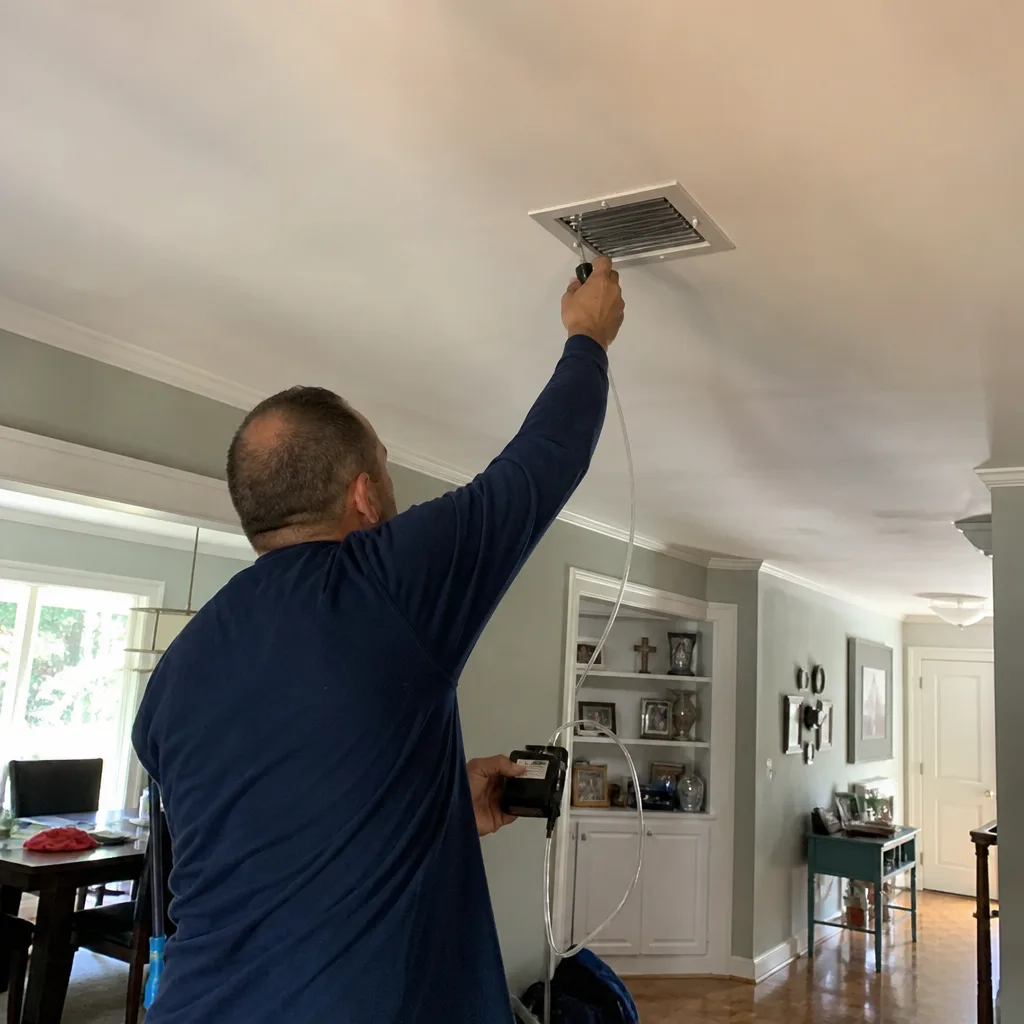
Last updated November 22, 2026
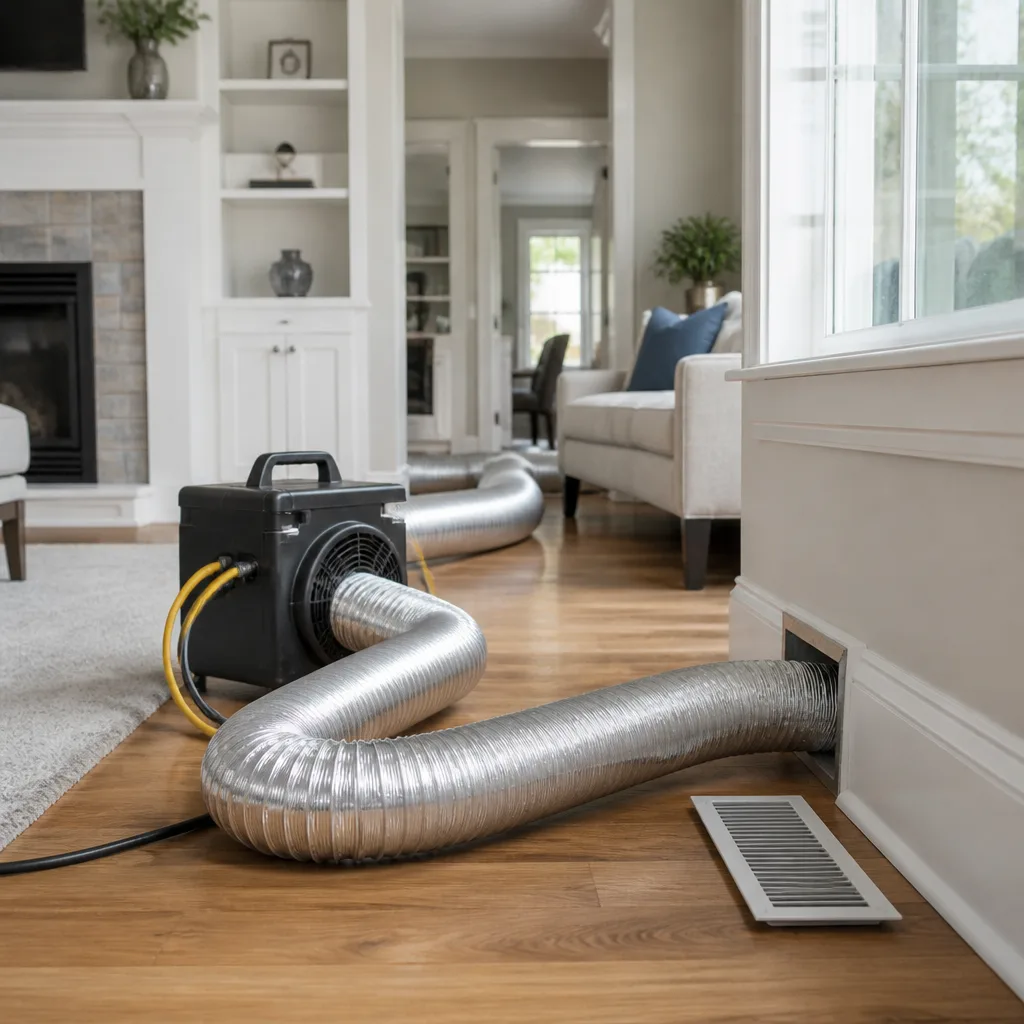 Whole-home duct cleaning
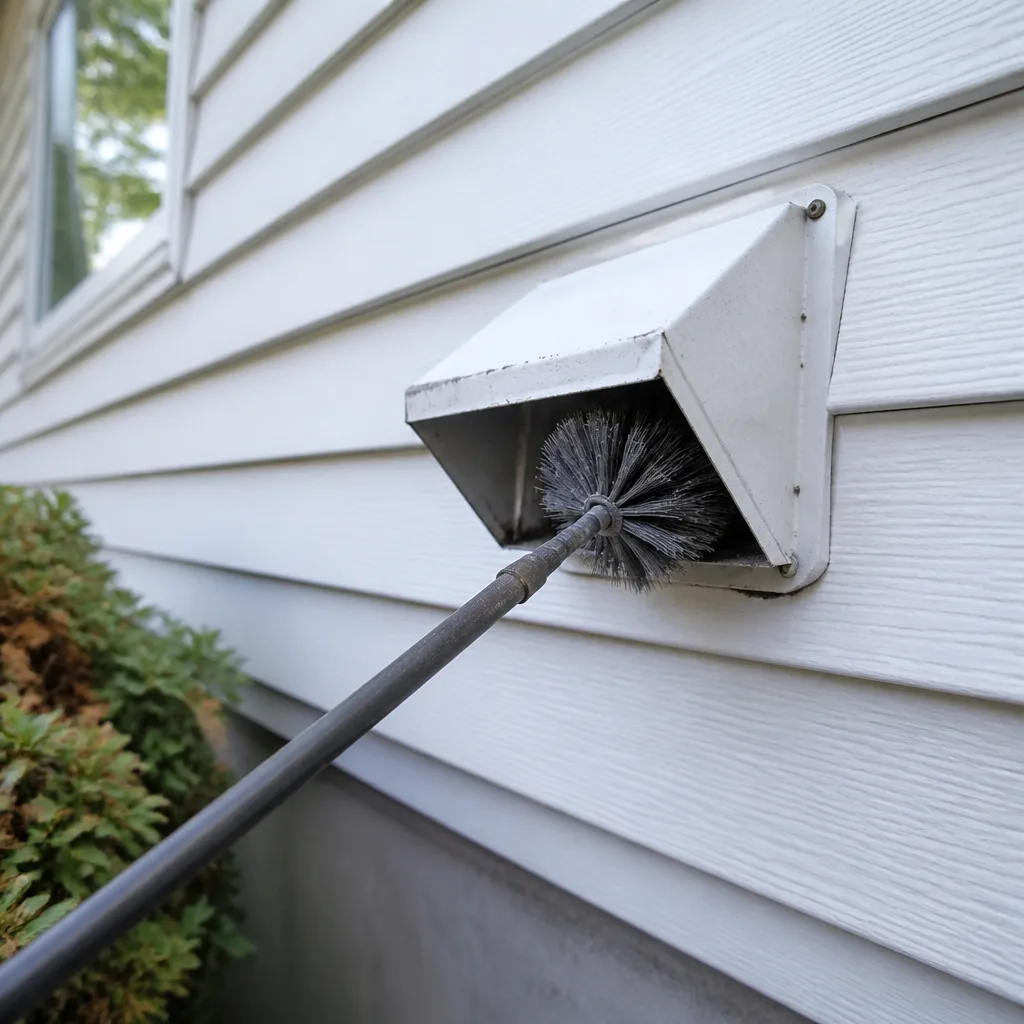 Dryer vent cleaning
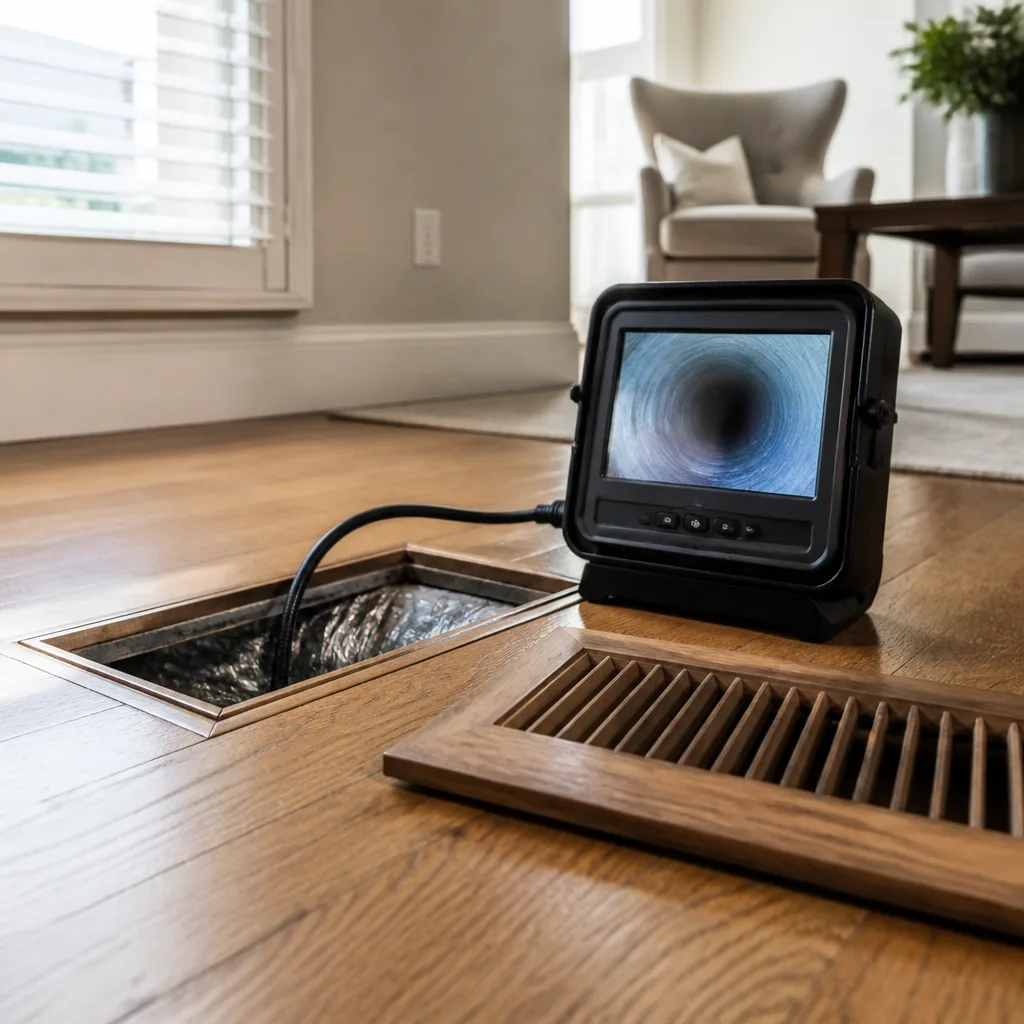 Camera inspection
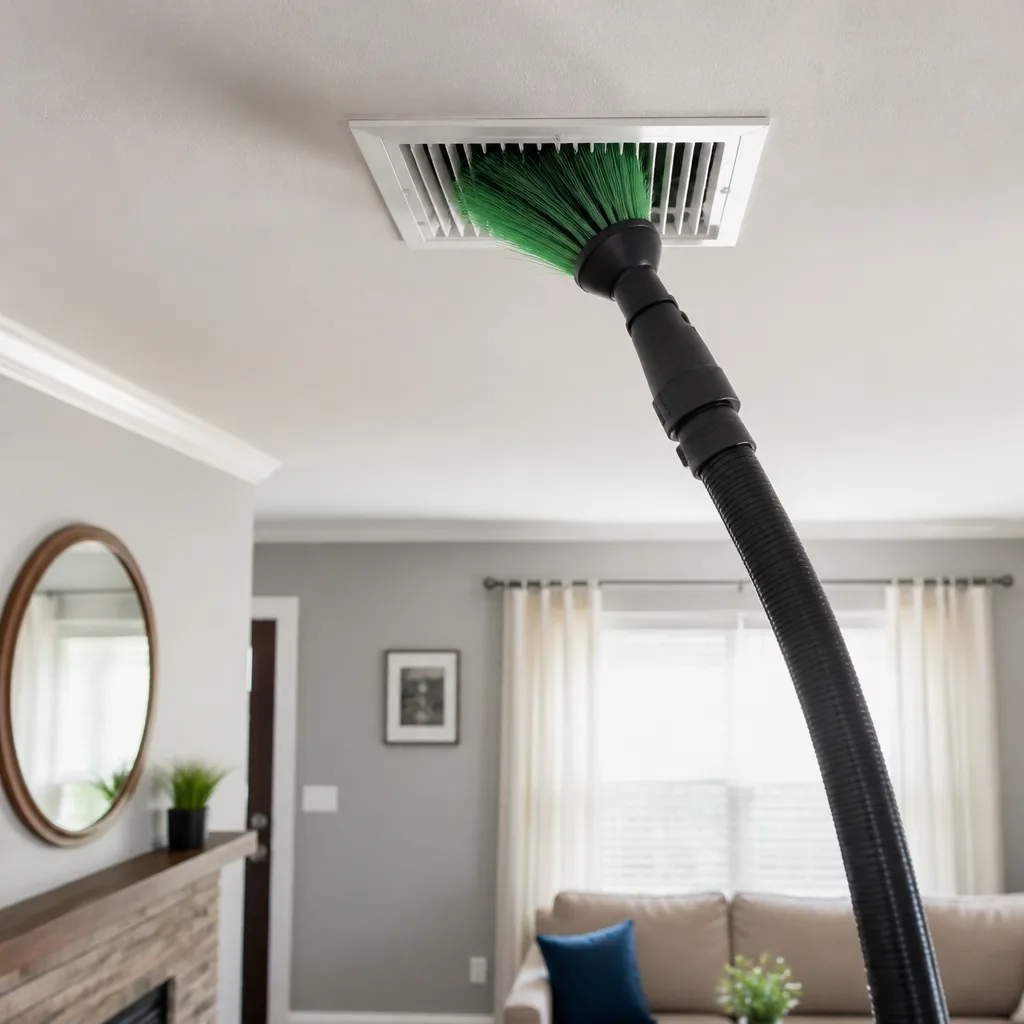 Sanitizing & deodorizing
Whole-system duct and dryer vent check with before-and-after photos - you see exactly what came out of your vents
That "$99 whole-house special" is a bait ad - the real number appears once they are in your hallway, or the "clean" is a shop-vac at the register. We photograph the inside of your ducts before and after instead.
Air Duct Cleaning Cost Breakdown: The Bedford Park Homeowner’s Reference for 2026
A quote for air duct cleaning in the New York metro area can land anywhere from $299 to well over $1,200 for the same square footage of the same house. That spread isn’t room to negotiate. It’s a sign that two completely different scopes of work are being sold under one name. One is a light surface pass with a portable vacuum. The other is source removal with remediation-grade equipment. They don’t cost the same to perform, so they shouldn’t cost the same to buy. This guide itemizes what each line in a Bedford Park quote actually pays for, what legitimate add-ons run in 2026, and how to spot margin-padding dressed up as service.
Quick Answer
Air duct cleaning in Bedford Park typically costs $450 to $900 for a standard single-family home in 2026, with larger or multi-zone systems running $900 to $1,500. The range comes from three things: how many linear feet of duct are actually accessible, how many zones or returns the system has, and which equipment the company brings. Dryer vent cleaning is usually a separate line item of $150 to $250. The written estimate sets the final price, and it should itemize each of these before any work starts.
Styles & brands we work with
- Whole-home duct cleaning
- Dryer vent cleaning
- Camera inspection
- Sanitizing & deodorizing
Table of Contents
- What drives the cost of duct cleaning in Bedford Park
- Truck-mounted vs. portable equipment: why the cheaper quote is often the weaker machine
- Legitimate add-ons vs. margin-padding upsells
- Dryer vent cleaning: the line item most companies treat as an afterthought
- Red flags in a Bedford Park duct cleaning quote
- How to build an apples-to-apples comparison of multiple quotes
- Sanitizing, sealing and air quality hardware: what they cost and when they’re worth it
What drives the cost of duct cleaning in Bedford Park
Three variables explain almost all of the price difference you’ll see between quotes on the same house: the linear footage of accessible duct, the age and configuration of the ductwork, and the number of zones or returns the system serves. A one-story home with a single trunk line and a handful of supplies is a fundamentally different job from a multi-zone system with flex runs buried behind finished walls. Most Bedford Park homes fall somewhere in the middle, and the quotes you receive should reflect that honestly.
Here’s how those drivers map to typical 2026 pricing in Bedford Park:
| Cost driver | Typical range | What changes the number |
|---|---|---|
| Base service, single-zone home | $450 – $650 | Linear footage of accessible duct, number of supplies and returns |
| Multi-zone or multi-story system | $650 – $900 | Additional trunk lines, longer runs, second air handler |
| Large or complex system | $900 – $1,500 | Finished-wall access issues, flex duct, multiple returns |
| Dryer vent cleaning (standalone) | $150 – $250 | Vent length, number of elbows, roof vs. wall termination |
| Coil cleaning | $150 – $350 | Whether the evaporator coil is accessible without disassembly |
| Antimicrobial fogging | $150 – $400 | Square footage treated, whether EPA-registered agent is used |
Age of the ductwork matters more than most homeowners expect. Older Bedford Park housing stock often has ductwork that’s been through decades of HVAC retrofits, which means flex duct spliced to hard duct in ways that aren’t always visible from the basement. That kind of configuration takes longer to clean properly and often requires duct repair and sealing as a follow-on step. A quote that ignores the age of your system entirely is a quote that hasn’t looked at your system.
Linear footage is the driver most companies won’t itemize. If a contractor quotes a flat rate without walking the duct runs and counting supplies and returns, the price isn’t based on your home. It’s based on a sales average. Ask for the footage in the written estimate so you know what you’re paying for.
Truck-mounted vs. portable equipment: why the cheaper quote is often the weaker machine
The single biggest reason two quotes for the same square footage diverge is the equipment sitting outside the house. A truck-mounted negative-pressure rig pulls a full system into a vacuum while technicians work the ducts from inside. A portable unit does not generate the same pressure, cannot maintain whole-system negative pressure, and often has to be worked one run at a time. That’s not a slight difference in quality. It’s a different class of machine.
In our experience, the cheaper quote in Bedford Park is almost always the portable one. Here’s what to compare on paper before you sign anything:
- Negative pressure source. Ask whether the vacuum is truck-mounted or portable. If portable, ask what CFM it produces and whether it can hold the whole system under negative pressure while cleaning.
- Contact cleaning method. Professional contact cleaning agitates the duct walls so debris releases. Ask whether they use a contact cleaning system or just suction. Rotobrush contact-cleaning systems are the standard in remediation and commercial work because they reach the duct surface, not just the air inside it.
- Source removal vs. filtration. Nikro HEPA source-removal equipment captures contaminants at the point where they’re disturbed. That’s different from letting debris travel to a central filter after it’s already airborne.
- Air scrubbing during the job. Abatement Technologies air filtration is remediation-grade equipment for capturing dislodged particles while work is underway. Ask if they run air scrubbing alongside the vacuum.
- Before-and-after verification. Ask to see photos of your own ducts, not stock photos. Proper equipment makes proper photos possible.
None of this is a knock on portable equipment in every situation. Some jobs, like a single isolated branch line, can be worked with a portable unit. But when the quote is for a whole system and the price is too low to cover truck-mounted negative pressure, the machine on site is the reason. That’s the trade-off baked into the number. Ask us what equipment we’re bringing before we start, and you’ll get a straight answer tied to your system, not a sales line.
Legitimate add-ons vs. margin-padding upsells
Every duct cleaning company has an add-on menu. Some of it is real work that makes a measurable difference. Some of it is a fee with a name attached. The trick to telling them apart is knowing what each add-on actually does and whether it applies to your home at all.
Add-ons that earn their price
- Coil cleaning ($150 – $350). The evaporator coil is where the air actually contacts a wet surface. If it’s fouled, cleaning the ducts upstream doesn’t fix the problem. This is legitimate whenever the coil is accessible and shows buildup.
- Dryer vent cleaning ($150 – $250). This is a fire-safety service, not a comfort upgrade. Lint accumulation in a dryer vent is a recognized fire risk. It belongs on the invoice as a dedicated line.
- Duct repair and sealing. If the cleaning reveals disconnected joints, crushed flex runs, or gaps at the plenum, sealing those leaks is the difference between clean ducts and ducts that immediately re-pull attic or basement air. We seal it, not just clean it, because cleaning alone doesn’t stop new contamination from entering.
- Honeywell and Aprilaire air quality systems. Filtration, purification, and humidity management hardware from two of the more recognized names in HVAC air quality. These are real installed products, not consumables, and they should be quoted as hardware plus installation, not as a mystery “system treatment.”
Add-ons that are often margin-padding
- Mandatory “sanitizer” fees added after the quote. A legitimate antimicrobial fogging is a disclosed, priced line item you can decline. A fee that appears at the end of the job without prior mention is not the same thing.
- “System treatment” as a vague line item. Ask what’s in it, what agent is used, and whether the product is EPA-registered. If the answer is vague, the line item is padding.
- UV system installation sold without a reason. UV systems can be useful in specific applications, but they aren’t a default purchase. If a technician can’t explain what problem it solves in your home, it’s being sold, not recommended.
If your ducts are being cleaned as part of a broader system service, it’s worth looking at HVAC cleaning as a combined scope. One visit for ducts, coil, and air handler often costs less than two separate appointments, and it gives you one set of photos covering the whole system.
Dryer vent cleaning: the line item most companies treat as an afterthought
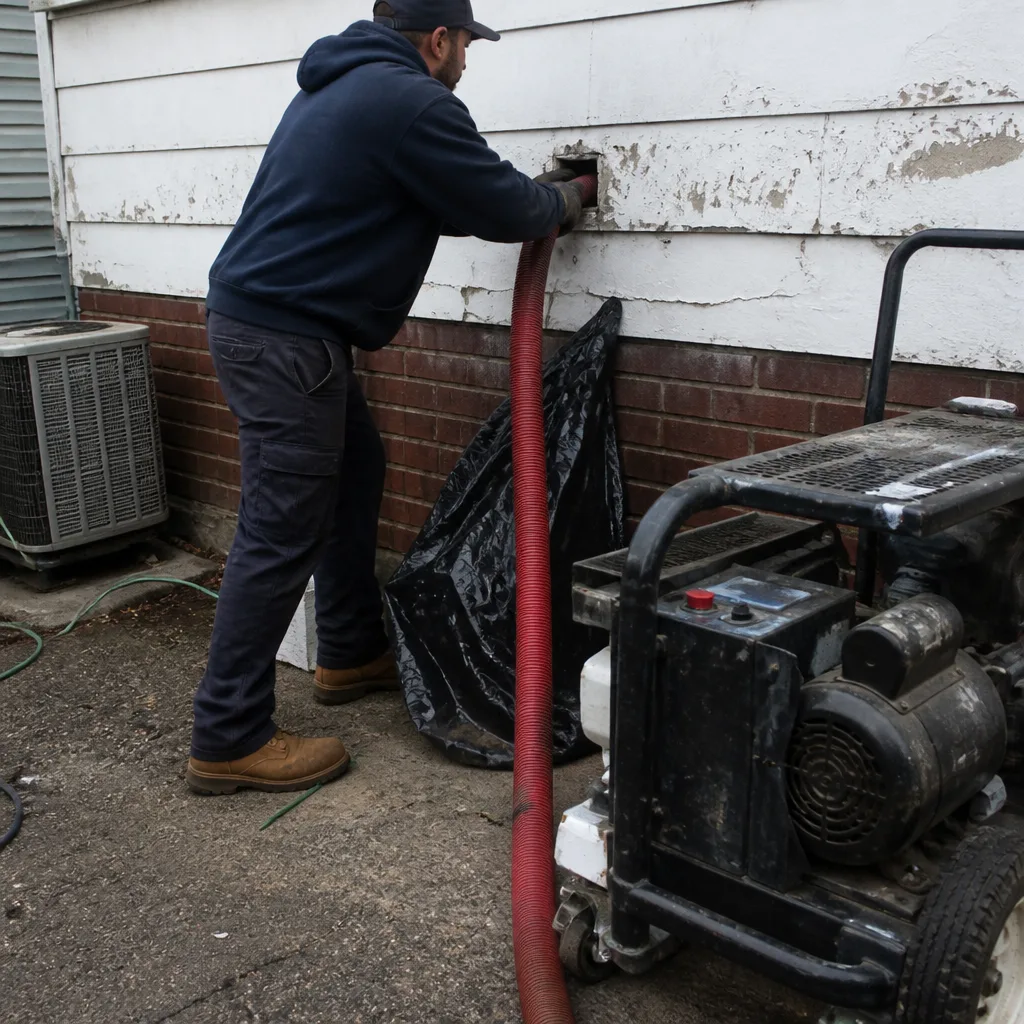
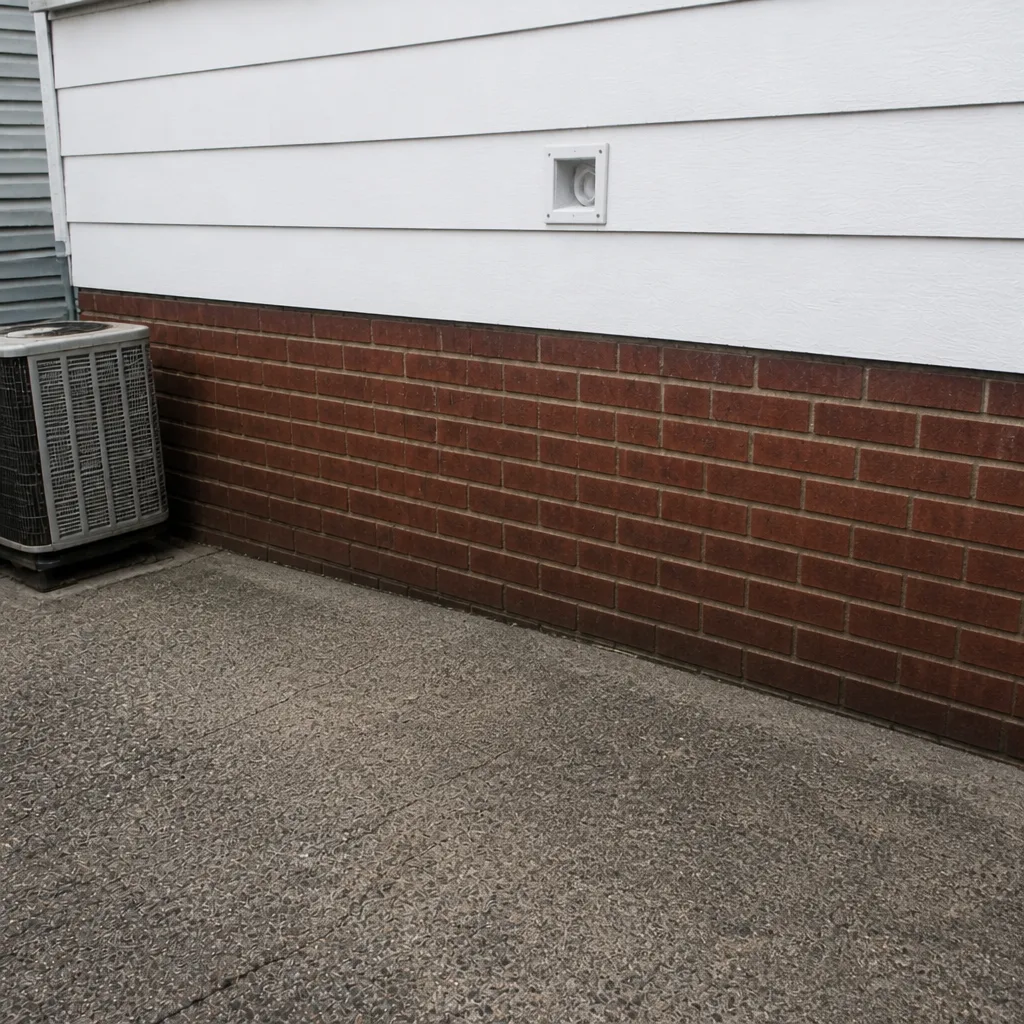
Dryer vent cleaning is one of the most frequently skipped services in a home, and it’s one of the few pieces of duct work in your house with a genuine fire-safety dimension. Lint accumulates on the interior walls of the vent over time, and the longer the vent run, the more it collects. Many air duct companies tack it on as an upsell at the end of a job. We treat it as a dedicated service for exactly that reason.
In Bedford Park, the practical issues with dryer vents tend to be:
- Long vent runs with multiple elbows. Every 90-degree turn reduces airflow and collects lint. Roof exits are harder to service than wall exits because they add vertical length.
- Crushed or kinked flex vent. Flexible vent is easy to install and easy to crush behind an appliance. A crushed section stops lint movement and creates a trap.
- Termination screens. Some vent terminations have screens designed to keep pests out. Those screens collect lint rapidly and are a common point of blockage.
- Transitioning from one appliance to another. When a dryer is replaced, the vent connection is often re-fitted quickly. That’s the moment when a crushed or disconnected vent is most likely to be created.
Dryer vent cleaning in 2026 typically runs $150 to $250 in this market. If the vent is longer or has a roof exit, expect the higher end. If a company quotes under $100 for a whole-service dryer vent, ask what mileage they plan to cover for that number. It usually means the vent is checked at the dryer end and not fully cleared to the termination. You can read more about how we handle dryer vent cleaning if you want the detail on equipment and process.
Red flags in a Bedford Park duct cleaning quote
The duct cleaning industry has a persistent reputation problem, and it’s earned. Low teaser pricing that becomes a much larger invoice once the truck is parked is the most common complaint. The patterns repeat, so they’re easy to spot once you know what to look for. These are the ones we’d tell any Bedford Park homeowner to watch for:
- Flat-rate whole-home offers below $400. At that number, the quote cannot cover truck-mounted negative pressure, contact cleaning equipment, and air scrubbing during the job. Something on that list is being cut, and it’s usually the equipment.
- Mandatory sanitizer fees added after the quote. If the price you were quoted wasn’t the price on the invoice, the original quote wasn’t an estimate. It was a lead-in.
- Per-vent pricing. Counting vents and multiplying is a sales method, not a cleaning method. The work is determined by the duct runs, not the vent count.
- Vague line items like “system treatment” or “air quality package.” If a line item can’t be described in plain language, it shouldn’t be on your invoice.
- No before-and-after photos offered. Without photos of your own ducts, there’s no way to know the work was done. Legitimate companies document it.
- Truck shows up with portable equipment when the quote was for whole-system cleaning. The equipment is the substance of the service. Ask what’s being brought before the appointment.
- Pressure to decide on the spot. A written estimate you can take away and compare is the standard. Urgency is a sales tactic, not a service.
One more red flag specific to homes in this area: a company that quotes without walking the system. Bedford Park has a wide range of housing age and configuration, and a quote based on a phone square-footage estimate isn’t a quote at all. It’s a placeholder that gets revised up once the technician is on site.
How to build an apples-to-apples comparison of multiple quotes
Getting three quotes only helps if you’re comparing three of the same thing. The way to make that happen is to put the scope in writing before anyone quotes, then compare line by line. Use this sequence when you’re shopping:
Step 1: Write down what you have
- Number of HVAC systems (one air handler vs. two)
- Number of supply vents and return vents
- Approximate age of the ductwork
- Whether any runs are behind finished walls
- Whether the dryer vent is in scope
Step 2: Ask each company to quote against the same scope
Provide your scope list and ask each company to itemize their quote against it. If one company quotes a flat number and another itemizes, you’re not comparing prices yet. You’re comparing two different documents.
Step 3: Compare four specific line items
- Equipment. Truck-mounted negative pressure, portable, or a mix? What brand and model is being used?
- Source-removal method. Contact cleaning system or suction only?
- Air handling during the job. Is air scrubbing used while work is underway, or is debris allowed to settle and be cleaned up?
- Verification. Are before-and-after photos of your own ducts included?
Step 4: Compare the add-on menu side by side
Line-items like coil cleaning, dryer vent, and sanitizing should appear on every quote at comparable prices. If one quote bundles them and another itemizes, unbundle the bundled one for comparison. A “package” price hides a lot of margin.
If the comparison is done this way, the cheaper quote usually reveals itself as a lighter service. That’s the point. The full base scope for a Bedford Park home, cleaned properly with remediation-grade equipment, lands in the $450 to $900 range for most systems in 2026. A quote far below that isn’t a bargain. It’s a different job.
For the parent service and what a full-system clean actually involves, air duct cleaning Bedford Park covers the process end to end. If you want the shorter version on how we run air duct cleaning as a standalone job, that page lays out the equipment and the before-and-after documentation.
Sanitizing, sealing and air quality hardware: what they cost and when they’re worth it
Once the ducts are clean, there are three follow-on layers that come up on almost every estimate: sanitizing, duct repair and sealing, and air quality hardware. They’re priced separately because they solve different problems, and not every home needs all three. Knowing which applies to your situation prevents paying for the wrong thing.
Sanitizing and antimicrobial fogging ($150 – $400)
Sanitizing makes sense when there’s a confirmed biological issue: visible mold at a register, a musty smell after a cleaning, or a documented moisture problem in the system. A fogging with an EPA-registered antimicrobial agent is a legitimate treatment when the underlying moisture issue is also addressed. Fogging a system that still has a moisture problem just resets the clock. It’s not a permanent fix.
Duct repair and sealing
This is the step most competitors skip, and it’s the one that determines whether your cleaning lasts. Loose joints, disconnected flex, and gaps at the air handler pull unconditioned air, attic dust, or basement air back into the system within weeks. Sealing those points is where the cleaning actually holds. We include duct repair and sealing as one of our five core services for that reason.
Cost for repair and sealing depends entirely on what’s found during cleaning. A couple of reconnected joints is a small line item. A system with multiple crushed flex runs behind finished walls is a larger scope. Ask for the repair scope to be quoted separately so you can decide on it with the full picture.
Air quality and humidity hardware
Honeywell and Aprilaire filtration, purification, and humidity management systems are the most common hardware conversations we have with Bedford Park homeowners after a cleaning. These aren’t consumables. They’re installed equipment with a service life, and they’re worth considering when a household has a specific concern (allergies, winter dryness, airborne dust that returns quickly after cleaning) rather than as a default purchase. We’re familiar with both brands and can walk through compatibility with your existing system before you commit to anything.
Bringing all five of these services under one company (duct cleaning, dryer vent cleaning, HVAC cleaning, duct repair and sealing, and air quality and sanitizing) means you’re not coordinating two contractors for one job. One company, full system is a practical advantage when the add-ons are actually needed.
Common Mistakes to Avoid
- Booking on price alone. The lowest quote in Bedford Park is usually the lightest equipment. You’re comparing a portable unit to truck-mounted negative pressure, which is not the same service.
- Not asking for before-and-after photos. Without photos of your own ducts, there’s no way to verify the work. Ask before you book, not after.
- Accepting a phone quote without a walkthrough. Square footage alone doesn’t tell a company what your system looks like. A quote without a walkthrough is a placeholder.
- Paying for sanitizing without fixing the moisture source. Fogging a wet system is a temporary reset. If there’s standing moisture or a humidity issue, address that first.
- Skipping the dryer vent. It’s not a comfort item. It’s a fire-safety line item, and it’s frequently left off the invoice when it’s not the main job.
- Assuming duct sealing is included in cleaning. It usually isn’t. Ask specifically whether repair and sealing of loose joints is part of the scope.
- Not confirming what equipment is on the truck. The equipment is the substance of the service. If you don’t ask, you won’t know until it’s parked.
See the difference
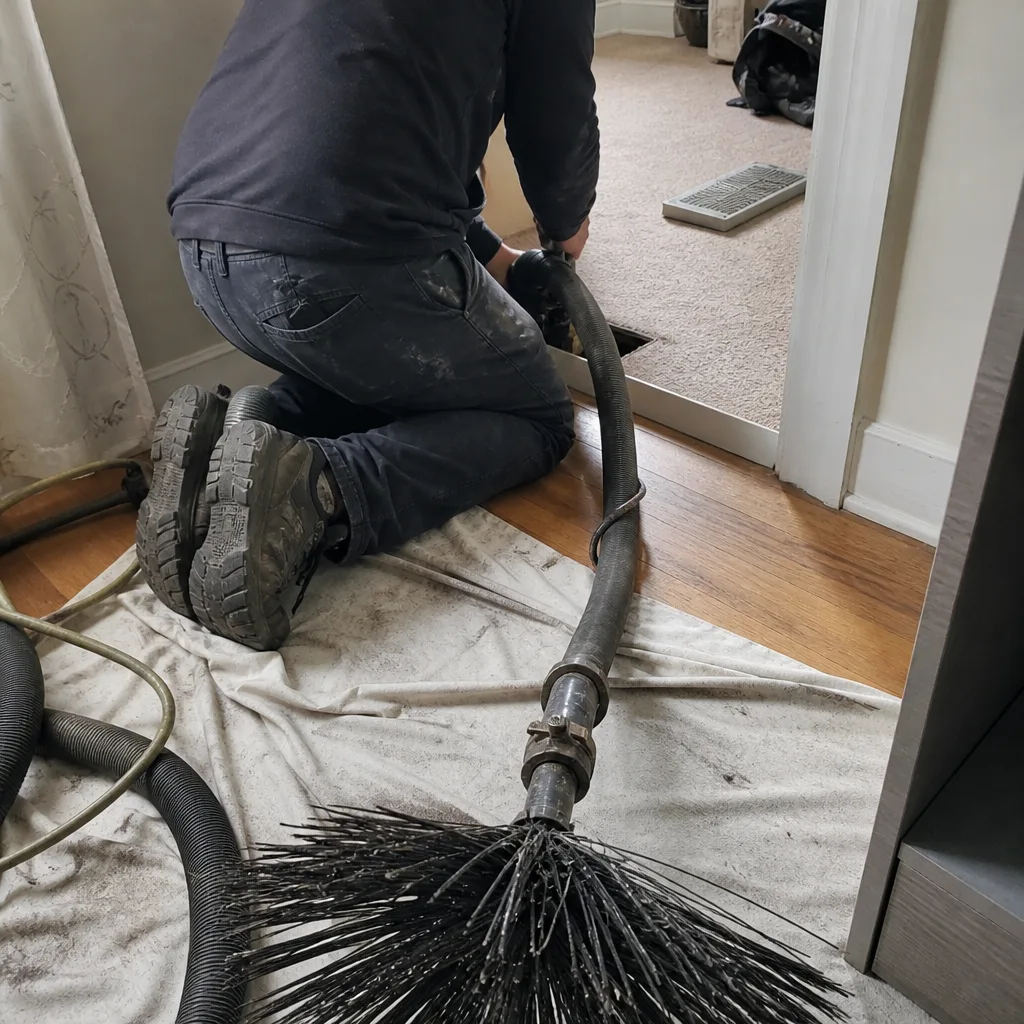 Before
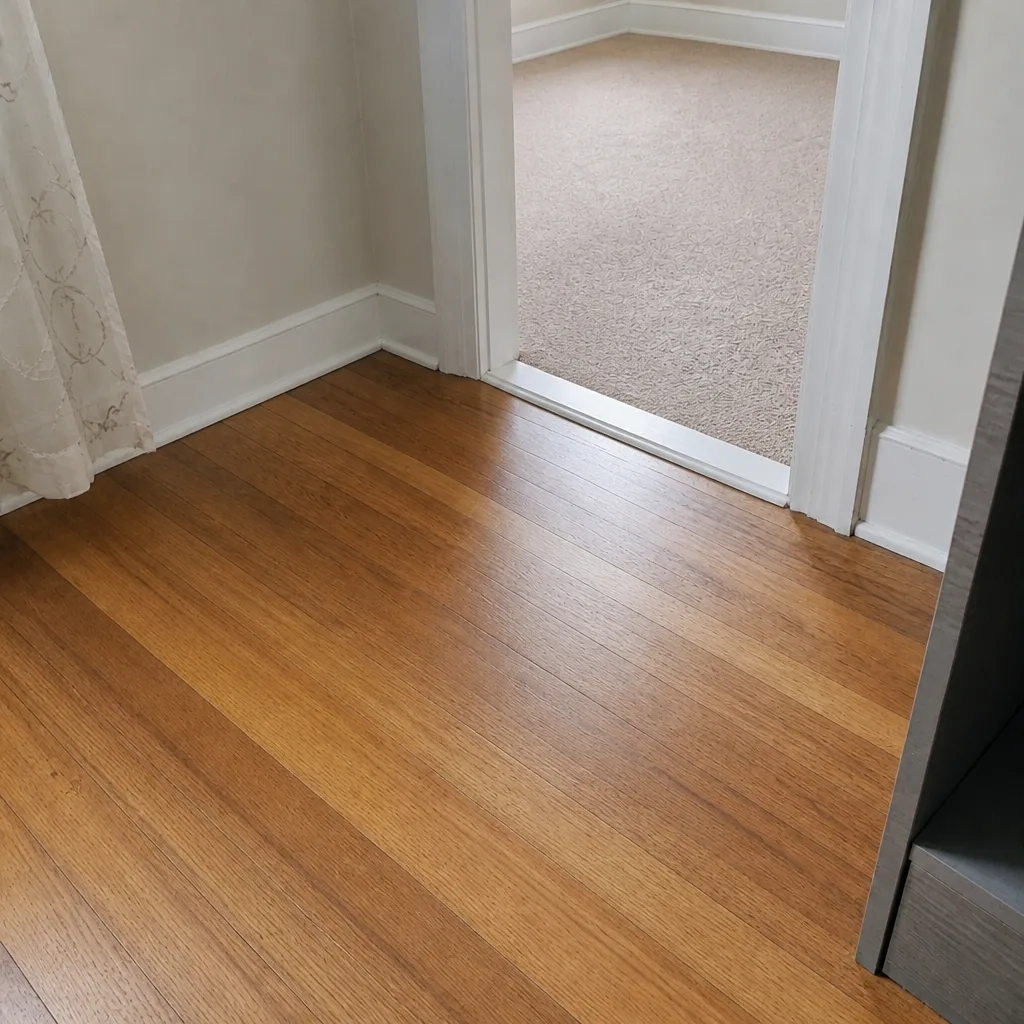 After
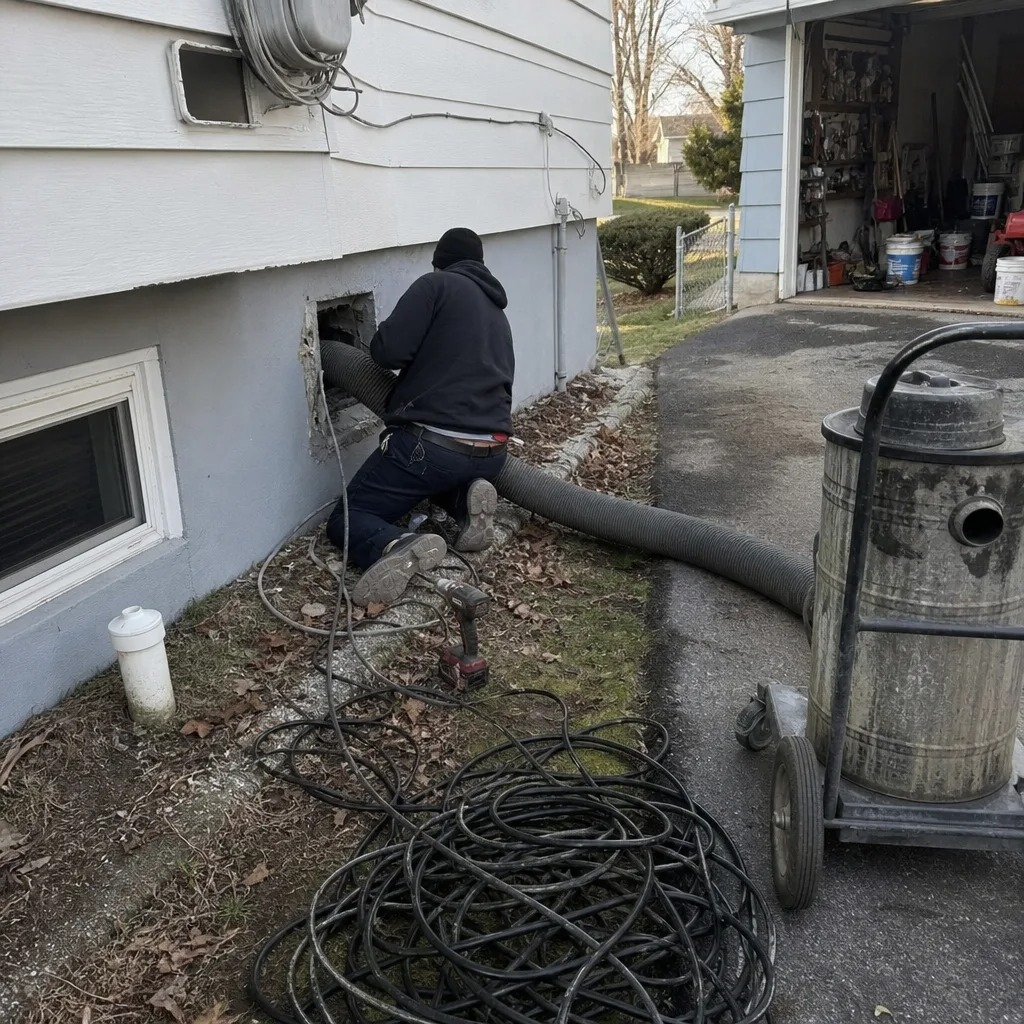 Before
 After
 Before
 After
When to Call a Professional
Call a professional when you can see visible dust blowing out of a supply register after the HVAC has been running, when there’s a persistent musty smell in the house that doesn’t clear after cleaning, or when a recent HVAC repair has exposed contamination inside the system. Visible mold at a register or inside the air handler is a call-now situation. So is a dryer vent that hasn’t been serviced and shows reduced drying performance; that’s a fire-safety issue, not a convenience one. A home purchase is another good trigger point, because most inspectors can’t see inside the ducts and a pre-move-in cleaning establishes a baseline. If your system is older and duct runs may be disconnected or crushed, a walkthrough is worth doing before anything else.
Air Duct Cleaning Bedford Park offers free estimates in Bedford Park – call (844) 702-0856. We answer 24/7, and fast dispatch from 7am to 7pm, Sunday through Friday, gets a technician out to look at your system. The written estimate itemizes everything before any work starts, so you know what you’re paying for and what’s not included.
Frequently Asked Questions
Most Bedford Park homes fall between $450 and $900 for a standard single-system clean in 2026. Larger or multi-zone systems with long runs or finished-wall access issues typically land between $900 and $1,500. The written estimate sets the final price, and it should itemize the equipment, the footage, and any add-ons separately. Call (844) 702-0856 for an exact quote – estimates are free.
Cheaper quotes usually mean a portable vacuum instead of truck-mounted negative pressure, and suction-only cleaning instead of contact cleaning with source removal. At a number below $400 for a whole home, the equipment on site is what’s been cut. Ask each company what machine they’re bringing before you book. Call (844) 702-0856 to compare our scope against any quote you’ve received – estimates are free.
Ask for before-and-after photos of your own ducts, not stock images. A company using proper equipment can document the runs before and after cleaning because the work is visible. If a contractor can’t provide photos of your system, treat that as a sign the work may not have gone beyond the register faces. Call (844) 702-0856 and we’ll walk through what our documentation includes – estimates are free.
Most homes don’t need duct cleaning on a fixed schedule. The honest answer is: when there’s a reason. Visible dust from registers, a recent HVAC repair that opened the system, a home purchase, a confirmed mold or moisture problem, or allergy symptoms that track to the HVAC running. Homes with pets or recent renovation work often benefit from more frequent cleaning than a home that hasn’t had work done. Call (844) 702-0856 if you’re unsure whether your system has a reason – estimates are free.
No, dryer vent cleaning is a separate service and typically runs $150 to $250 in the Bedford Park market in 2026. It’s a dedicated line item because it addresses a fire-safety concern distinct from air quality, and it’s serviced with different equipment than the HVAC duct system. It’s worth including in the same visit if it’s due. Call (844) 702-0856 for a combined estimate – estimates are free.
Sanitizing is worth doing when there’s a confirmed biological issue, such as visible mold or a persistent musty smell after cleaning, and when any underlying moisture source is also being addressed. Fogging a system that still has a moisture problem only resets the clock. Antimicrobial fogging with an EPA-registered agent typically runs $150 to $400. Call (844) 702-0856 to talk through whether it applies to your home – estimates are free.
The Bottom Line
The price of air duct cleaning in Bedford Park is not a single number, and any company that treats it as one is hiding something on the invoice. Legitimate pricing in 2026 lands between $450 and $900 for most homes, driven by the footage of accessible duct, the age and configuration of the system, and the equipment brought to the job. The line items worth paying for are contact cleaning with source removal, air scrubbing during the job, and duct sealing after; the line items to question are vague “treatments” and mandatory sanitizer fees that weren’t disclosed up front. Compare quotes on scope, equipment, and documentation, not on the bottom line. The written estimate sets the final price, and it should itemize every part of the job before anyone starts.
Call (844) 702-0856 for a free estimate. We answer 24/7. Fast dispatch from 7am to 7pm, Sunday through Friday.
Written by the team at Air Duct Cleaning Bedford Park.