
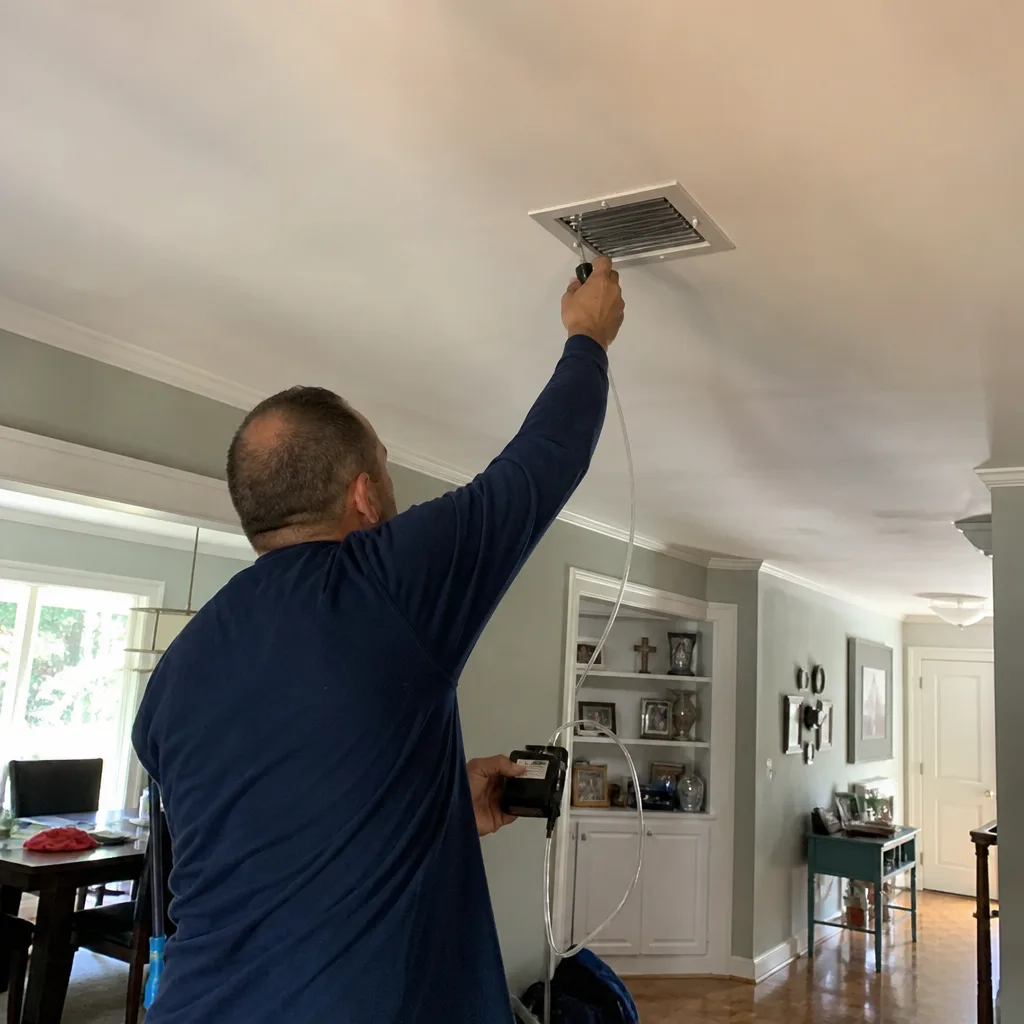
Last updated November 22, 2026
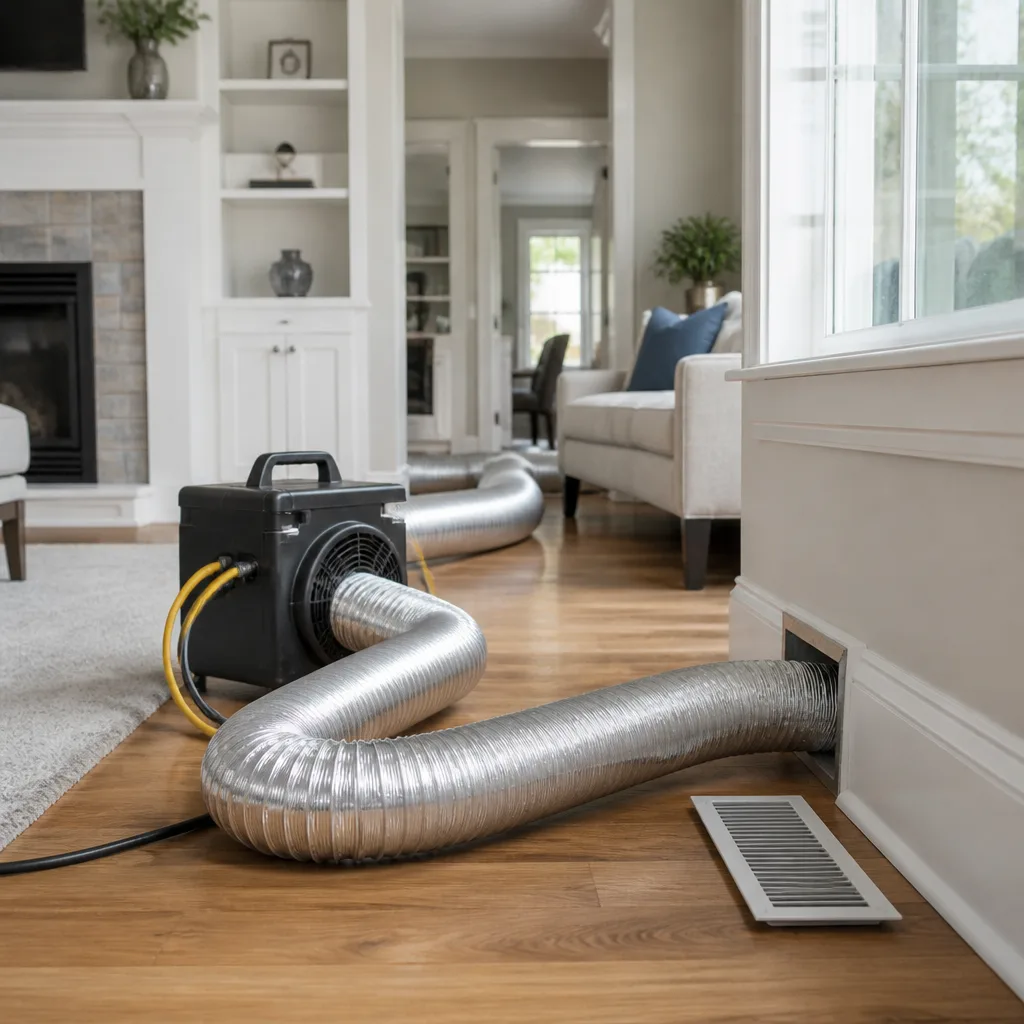 Whole-home duct cleaning
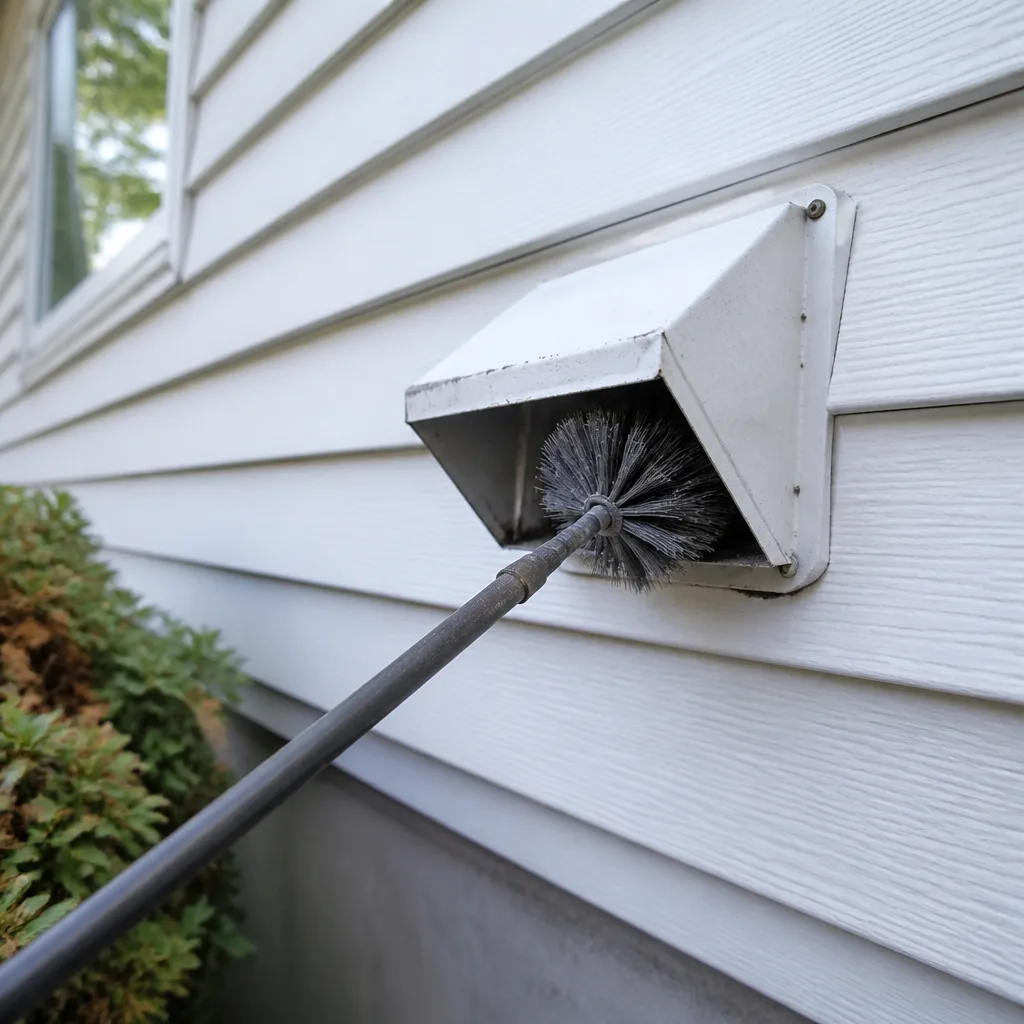 Dryer vent cleaning
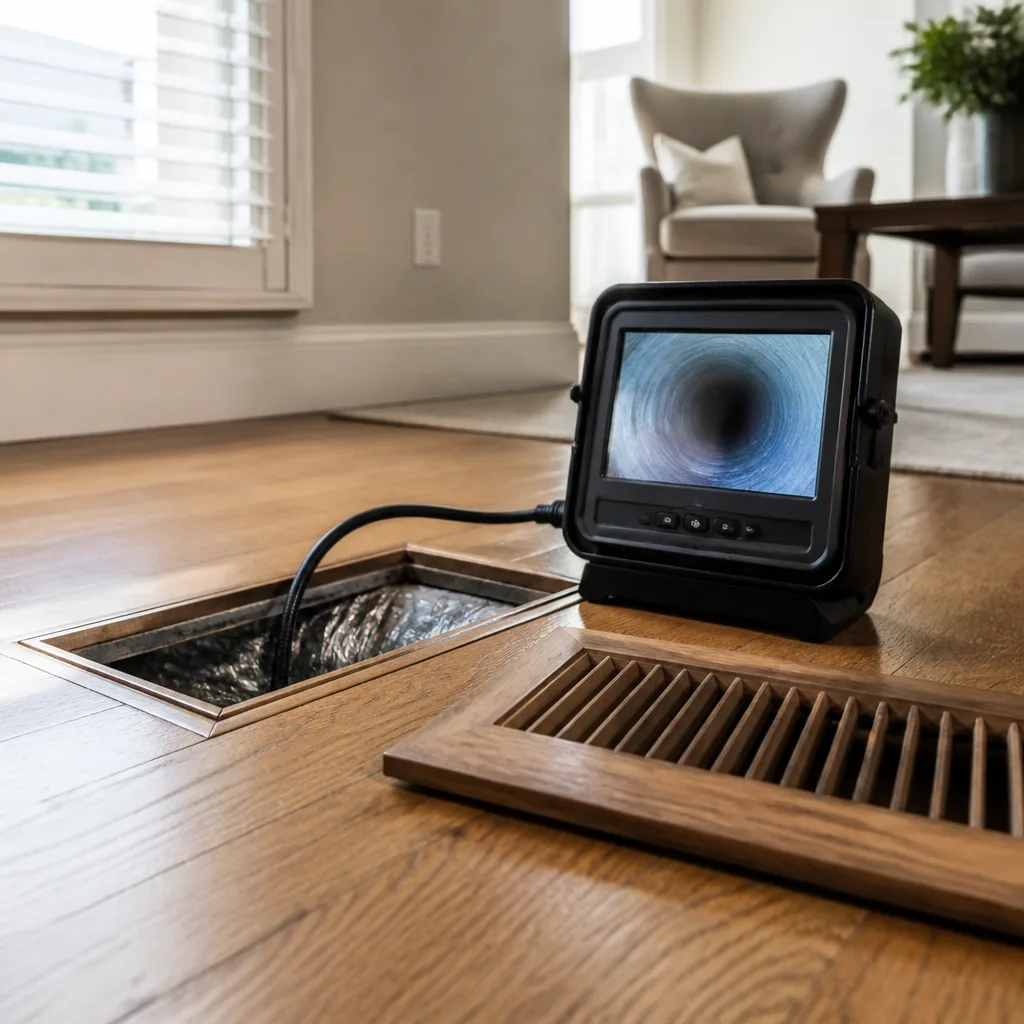 Camera inspection
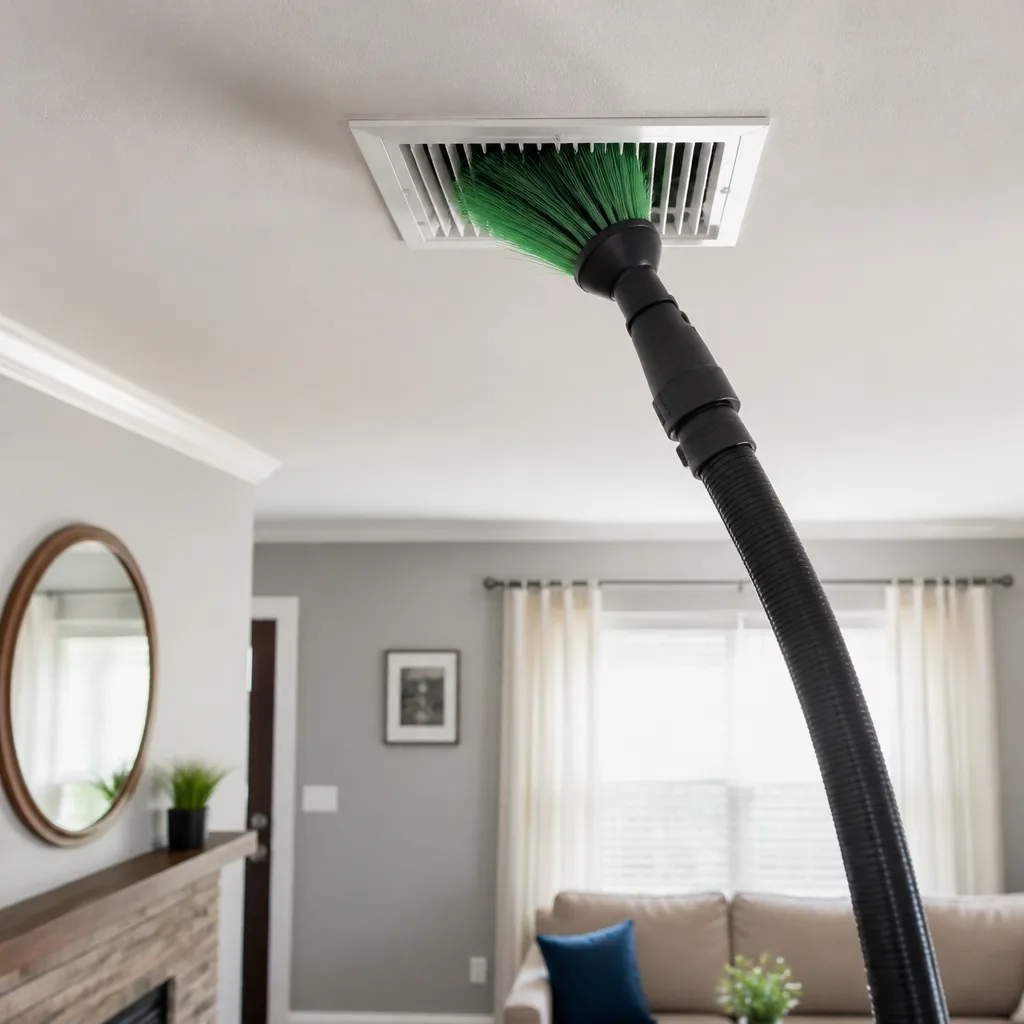 Sanitizing & deodorizing
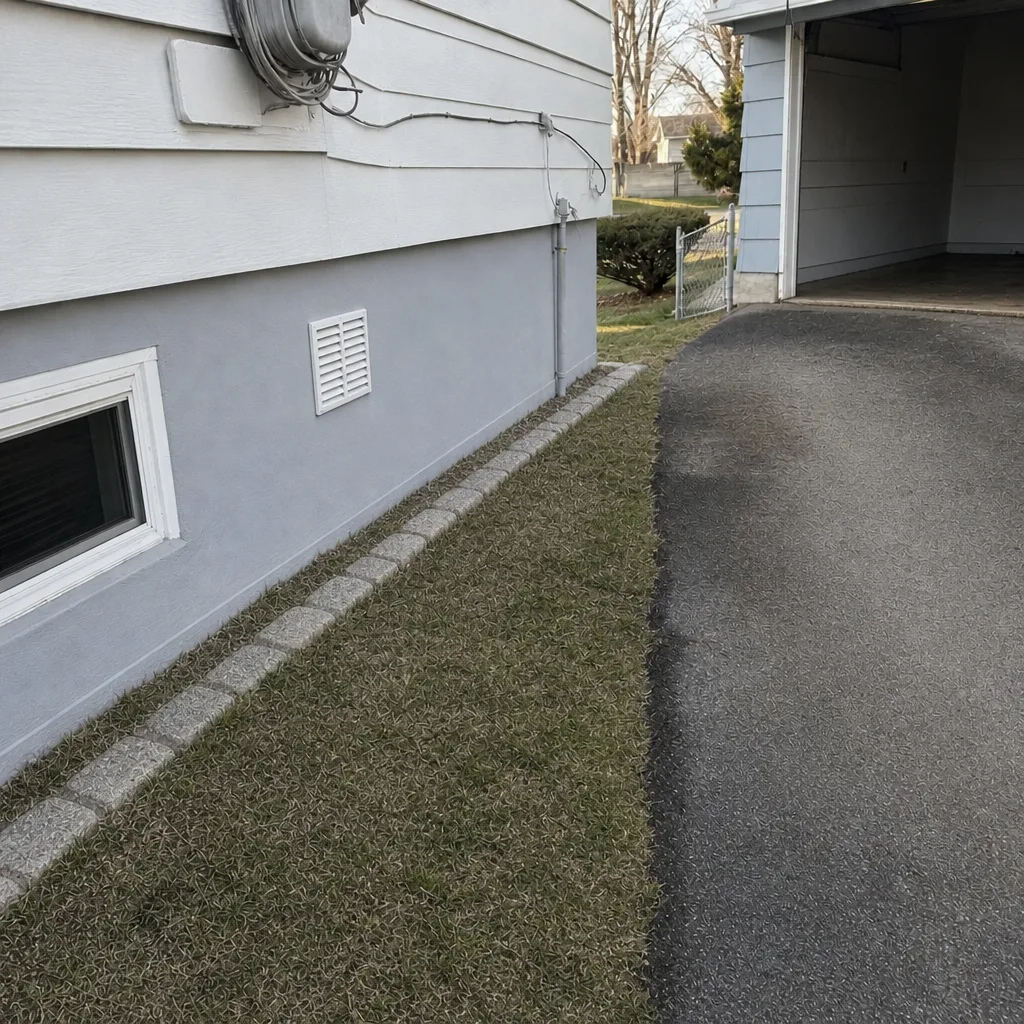
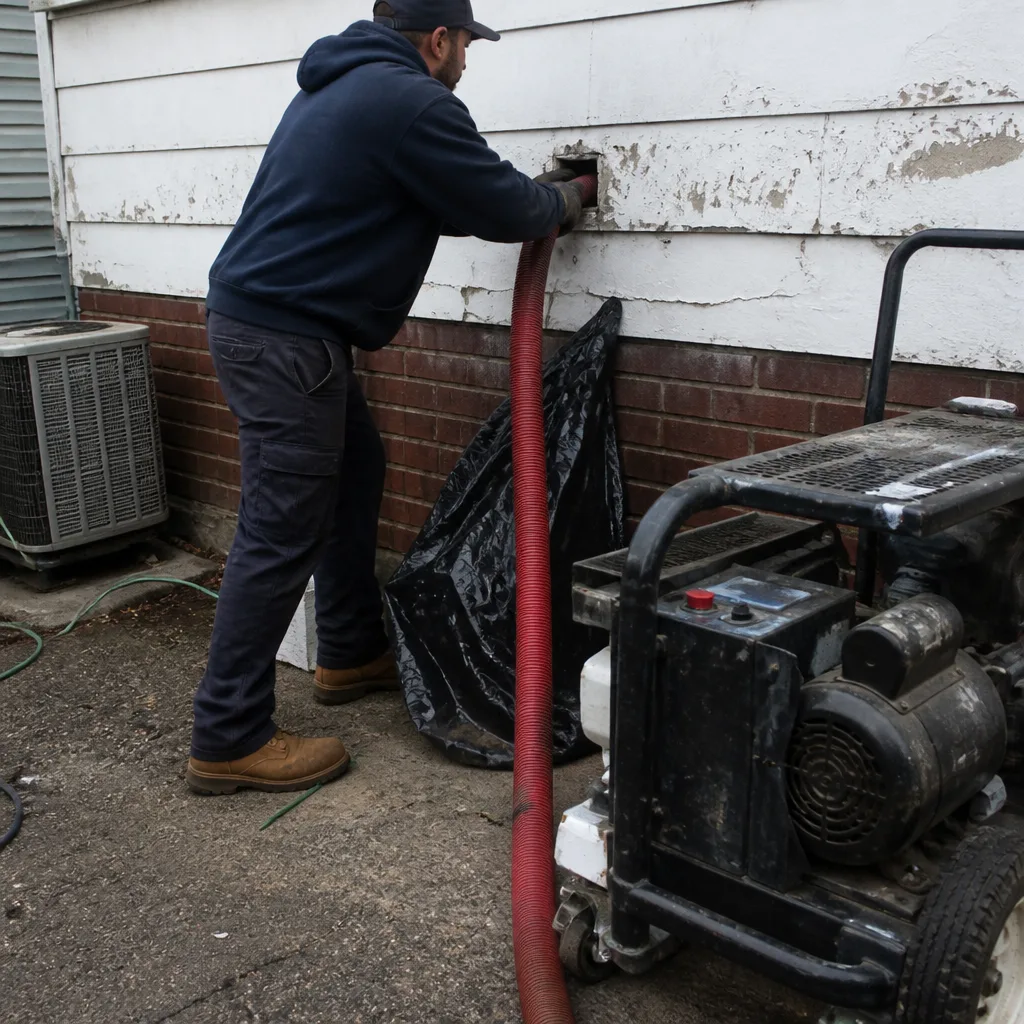
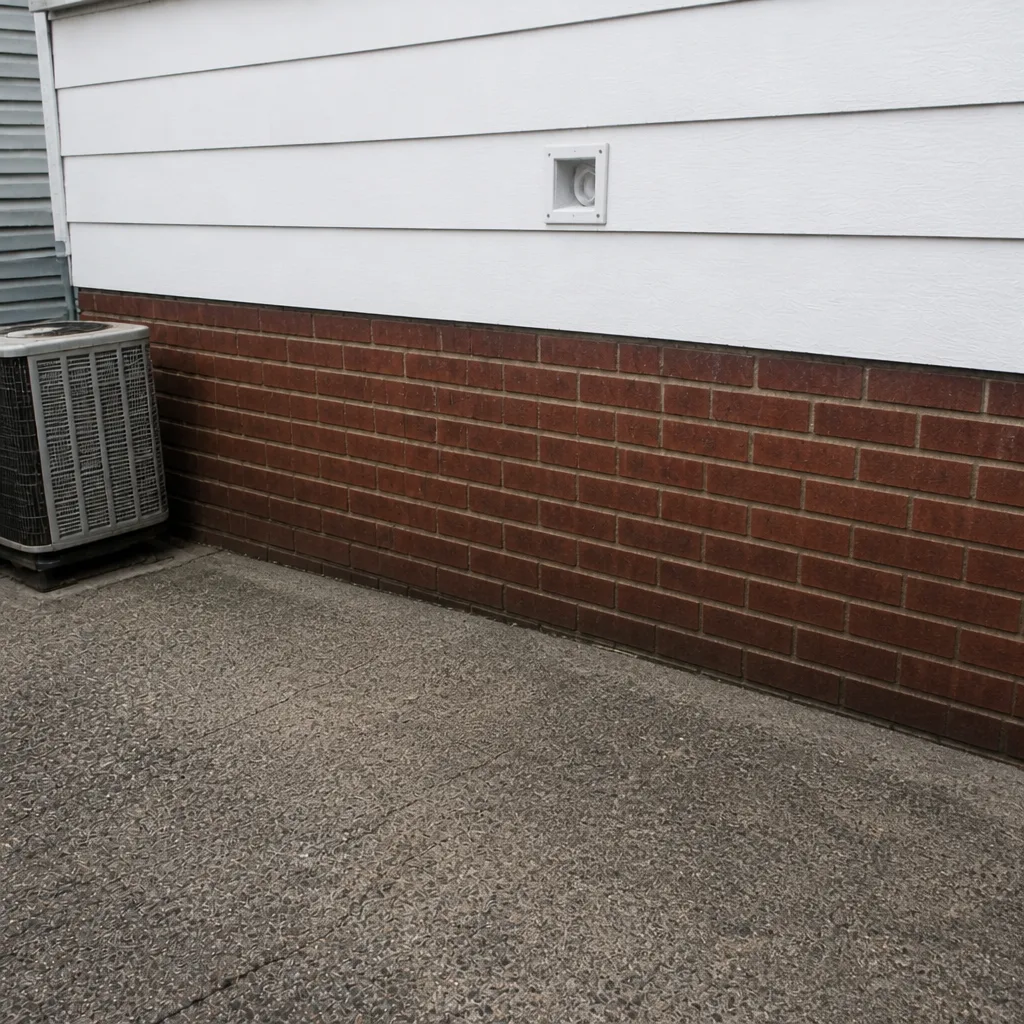
Whole-system duct and dryer vent check with before-and-after photos - you see exactly what came out of your vents
That "$99 whole-house special" is a bait ad - the real number appears once they are in your hallway, or the "clean" is a shop-vac at the register. We photograph the inside of your ducts before and after instead.
Air Duct Cleaning Warning Signs: A Bedford Park Homeowner’s Reference Guide
Most warning-sign articles point you at the register and tell you to look for dust. That’s the last symptom to appear, not the first. By the time dust is puffing out of a supply grille, the restriction has been building for months. The earlier signals are quieter and more useful: a room that runs warm no matter what the thermostat says, a filter that clogs faster than it should, a smell that only shows up when the heat kicks on. This guide walks you through the signals we actually read in Bedford Park homes, how to check the safe ones yourself, and how to tell when cleaning is the fix and when the ductwork itself needs repair.
Quick Answer
Air duct cleaning warning signs in Bedford Park usually show up as system behavior before they show up as visible dust: rooms that run 4-6 degrees off the thermostat, HVAC runtime creeping longer than its normal baseline, filters loading in under three weeks, and odors that appear only when the blower runs. Visible debris at return grilles and collapsed flex duct in attics are confirmation, not the first clue.
Styles & brands we work with
- Whole-home duct cleaning
- Dryer vent cleaning
- Camera inspection
- Sanitizing & deodorizing
Table of Contents
- Warning Sign 1: Your HVAC Is Running Longer Than Its Baseline
- Warning Sign 2: Filters Loading Faster Than They Should
- Warning Sign 3: Room-to-Room Pressure Imbalance
- Warning Sign 4: What Each Smell Tells You About a Different Duct Zone
- What Homeowners Can Safely Check Themselves
- When Cleaning Isn’t Enough: Remediation vs. Duct Replacement
- What Equipment You Should Ask About Before Anyone Shows Up
- Common Mistakes to Avoid
- When to Call a Professional
- Frequently Asked Questions
Warning Sign 1: Your HVAC Is Running Longer Than Its Baseline
Every home has a runtime baseline – the typical number of minutes the system runs on an average heating or cooling cycle. It’s not something the thermostat shows you, but you can track it with a simple hour meter or by noting cycle length over a week. When that baseline starts creeping up, duct restriction is one of the first things to suspect.
Here’s why. A duct system with a collapsed flex run or heavy internal buildup forces the blower to push against more back pressure. The blower runs longer to move the same volume of air. Systems that run longer use more energy, cycle more often, and put more wear on components. None of that shows up as dust at a register yet. It shows up as a system that’s working harder than it used to.
How to read it without instrumentation:
- Time a full heating or cooling cycle on a normal day. Write it down.
- Do the same thing two or three weeks later, under similar outdoor conditions.
- Note whether the cycle length has increased or the system is cycling more frequently than before.
- Cross-check against a filter change or a thermostat change so you can rule those out first.
In our experience across Bedford Park homes, a runtime that has stretched without an obvious cause is worth a closer look at the ductwork before you spend money on tune-ups or equipment swaps. The duct is the cheapest thing to inspect first, and often the actual culprit.
Warning Sign 2: Filters Loading Faster Than They Should
Filter loading rate is a diagnostic tool most homeowners never think to use. A filter that reaches capacity in under three weeks with a standard MERV 8 filter is not just a maintenance annoyance – it’s telling you something upstream is shedding debris into the airstream faster than your system can process it.
That shedding can come from a few places:
- Loosened debris on the interior walls of supply and return ducts
- A failing duct seal pulling attic or crawlspace dust into the return
- Sheet metal or flex liner material breaking down
- A return side drawing from a space near an unfinished basement or mechanical closet
Change the filter, note the date, then check it in ten days. If the face is already gray, that’s a data point. If you’re replacing filters every two to three weeks and the dust comes back looking the same, that’s an upstream contamination signal, not a filter quality problem. Buying a higher-rated filter just makes the blower work harder against the extra restriction. You want to fix the source, not add resistance downstream of it.
The equipment used for an inspection matters. We use Nikro HEPA source-removal tools for exactly this reason – capturing contaminants at the point of disturbance rather than simply identifying them and moving on. In older Bedford Park homes where ducts may have gone years without service, that distinction between loosening material and actually capturing it is significant.
Warning Sign 3: Room-to-Room Pressure Imbalance
If one room in Bedford Park is consistently 4-6 degrees warmer than the thermostat setting while the rest of the house is comfortable, the pressure balance in that zone has a problem. It’s rarely the thermostat. A collapsed flex duct, a partially blocked supply trunk, or a run that was poorly balanced at installation are far more common causes.
Here’s what a pressure imbalance actually looks like in practice:
- A room whose supply register airflow feels weaker than nearby registers, tested with a hand in front of the grille
- A room that runs warm in heating season and cold in cooling season, without the thermostat ever calling for adjustment
- A bedroom door that pulls or presses when the blower runs, which signals a supply-return imbalance at that room
- A room that only becomes comfortable after the HVAC has been running a long stretch
You don’t need instruments to feel that a register is weak. You do need an inspection to figure out why. A collapsed flex duct in a crawlspace or attic is one of the more common findings on the Bedford Park side, especially where flex has been routed around tight framing. When we inspect, we can see the actual run, measure airflow at the register, and compare it to what the room should be receiving.
Balancing isn’t just a comfort question. A room that’s chronically short of air puts more back pressure on the system’s return path, which extends runtime and puts more load on the blower. Comfort and equipment longevity are the same conversation here.
Warning Sign 4: What Each Smell Tells You About a Different Duct Zone
Odors are the most under-read warning sign in ductwork, and they’re also the most diagnostic if you know what each one is telling you. The mistake is lumping every smell under “musty”. Each type points to a different zone and a different cause.
Musty odor. Usually moisture. Damp insulation in the supply run, a duct running through an unconditioned crawlspace with a compromised seal, or a return-side moisture issue in a basement. In Bedford Park homes with older flex runs near crawlspaces, musty is often the first sign.
Metallic smell. Often points at corroded sheet metal interior or a duct system that has drawn in air from a mechanical room. Metallic is more common in systems with exposed metal trunk runs than all-flex systems.
Burning smell. Stop and treat this as a system problem, not a duct problem. A burning smell when the heat kicks on can come from dust on a heat exchanger, or in the worst case, a failing component. Turn the system off, call for inspection. Don’t assume duct cleaning will resolve it.
Chemical smell. Points toward a source outside the duct interior – a cleaner, a refrigerant leak, or an off-gassing material getting pulled into the system by a return. Duct cleaning rarely resolves this; identifying the source does.
If the smell only shows up when the blower runs, it’s almost certainly somewhere in the airstream. If it’s there on standby, the duct isn’t the first thing to inspect. The distinction saves homeowners from spending on duct cleaning when the real problem is in the mechanical room or inside the wall.
What Homeowners Can Safely Check Themselves
There are four inspection points a homeowner can look at without opening duct runs or climbing over equipment. None of these require a ladder or tools. All of them are useful to note before calling anyone.
- Return grille debris patterns. Remove the grille carefully and look at the duct wall immediately behind it. Even light debris on the wall is normal. Debris that has begun to feel furry, fuzzy, or stringy signals longstanding buildup inside the run.
- Supply register airflow balance. Put your hand near each supply register in the house, one at a time. Every register in the same zone should feel roughly comparable. A register that’s clearly weaker than its neighbors is a signal of a restriction or a duct that’s collapsed, kinked, or disconnected.
- Accessible flex duct condition. In an attic or crawlspace, if the flex runs are visible and safe to look at without climbing on framing or resting a knee on drywall, check for kinks, crushed sections, or separated joints. Flex duct is meant to run smooth, not folded. Crushed sections restrict airflow badly.
- Filter face after ten days. Change the filter, mark the date, check it in ten days. A face that’s already gray points to upstream contamination. A face that’s still clean is a good sign the duct system is holding up.
Do not attempt to inspect inside the duct runs themselves, disconnect any flex junctions, or handle any HVAC equipment that requires opening a panel. That’s where contaminants get released and where systems get accidentally damaged. The four checks above are enough for the homeowner to know when it’s time to call.
When Cleaning Isn’t Enough: Remediation vs. Duct Replacement
Not every warning sign points to cleaning. Some point to repair or replacement, and spending on a full clean of a duct system that needs physical repair wastes the money. Here’s how to tell the difference:
Cleaning resolves:
- Accumulated dust and debris without structural damage
- Light mold growth from a short-term moisture event that has been fixed
- Musty odor traced to a coated interior wall with the moisture source corrected
- Filter loading caused by interior buildup rather than a breach
Repair or remediation resolves:
- Collapsed, kinked, or separated flex runs
- Boots and joints that have pulled apart, letting attic or crawlspace air into the system
- Significant mold on duct liner that has penetrated the material
- Duct sections that have become structurally compromised by pests, water, or age
In our experience in Bedford Park, homes that go from one sign to five signs in a single season are usually no longer cleanable – they’re repairable. The duct system needs sections replaced or joints sealed, and cleaning comes after the repair, not before. When we find a situation like that, we tell the homeowner before any cleaning happens.
Sealing is one of the most under-used remedies. If the ducts are sealed at the joints after cleaning, the system holds pressure better, the runtime comes back down, and the filter loading rate drops. That’s the engineering, not the sales pitch.
What Equipment You Should Ask About Before Anyone Shows Up
The single biggest source of homeowner skepticism in this industry is not knowing what equipment is going to show up. A truck-mounted blow-and-go rig loosens debris and pulls it out with a shop-vac-sized extractor. A remediation-grade process captures what it loosens. These are not the same job, even if both call themselves “air duct cleaning”.
Here’s the equipment scope you should always ask about before booking:
- Contact cleaning equipment. We use the Rotobrush system for contact cleaning at the duct wall, which is standard in commercial and remediation work. It brushes and simultaneously extracts, so the debris doesn’t just become airborne.
- Source-removal capture. Nikro HEPA equipment captures contaminants at the point of disturbance rather than releasing them into the room the ducts empty into.
- Air scrubbing during the job. Abatement Technologies air filtration runs during service, so any particles that do get dislodged are pulled out of the air before they settle back into living spaces.
- Post-clean verification. Before-and-after photos of the actual ducts are standard.
We also work with Honeywell and Aprilaire air quality systems, and with Guardsman products, so a job that ends at duct cleaning versus one that ends with a filter, humidifier, or purification unit installed can be handled by the same company. That keeps the system coherent rather than assembled from multiple vendors working at cross-purposes.
Beyond duct cleaning, dryer vent cleaning is worth asking about in the same visit. Dryer vents are a recognized fire safety concern, and most air duct companies treat them as an afterthought. In Bedford Park, where many homes have laundry rooms tucked near exterior walls with long vent runs, that’s a safety step you don’t want to defer.
Common Mistakes to Avoid
- Buying the cheapest quote without asking about equipment. A low quote is often a low-tier process with a shop-vac extractor. Ask for the equipment names, and if you don’t recognize them, look them up before you commit.
- Replacing air filters more often to “fix” loading. A filter at capacity in three weeks is telling you a contamination story upstream. Replacing it every two weeks just pays for the symptom while the duct stays loaded.
- Confusing a hot room with a thermostat problem. In most Bedford Park homes, a room that runs 4-6 degrees off the thermostat has a duct or pressure problem, not a thermostat problem. Replacing the thermostat first wastes money and leaves the real issue in place.
- Cleaning ducts without addressing a collapsed flex run. You can spend on a full clean and still get the same runtime, the same hot room, the same filter loading, because the restriction is still there.
- Ignoring odors that only appear when the blower runs. A musty or metallic smell that shows up when the system runs is a duct-side signal. Waiting until it’s a constant smell means months more contamination.
- Skipping dryer vent cleaning because duct cleaning felt like enough. Dryer vents are a separate fire-safety consideration, not a bonus service. If the vent has gone a long time without cleaning, it belongs on the same visit.
- Assuming a “duct cleaning” quote covers the full system. Ask whether the scope includes HVAC cleaning, sanitizing if warranted, and duct sealing. Cleaning without sealing leaves the same leaks in place.
When to Call a Professional
Call us when the signs are stacking. A single hot room, one early filter change, or a faint odor when the heat comes on is worth a note. When you have two or more of the same signs together, or a sign that gets worse across two or three weeks, that’s when an inspection is worth the visit. If you’ve dealt with a water event, a pest issue, recent renovation, or a home purchase where the ducts have unknown history, that’s another good reason to have someone look before you spend anything else on filters or thermostats.
Air Duct Cleaning Bedford Park offers free estimates in Bedford Park. Call (844) 702-0856. We answer 24/7. Fast dispatch from 7am to 7pm, Sunday through Friday. Estimates are free, and the price is set per job by the written estimate before work starts.
Frequently Asked Questions
The earliest warning signs in Bedford Park homes are behavioral, not visual: HVAC runtime creeping longer than its baseline, filters loading in under three weeks, a room that runs 4-6 degrees off the thermostat, and odors that appear only when the blower runs. Call (844) 702-0856 for a free estimate if two or more of those signs have appeared together.
If the room is 4-6 degrees off the thermostat setting while other rooms are comfortable, and the supply register feels weaker than its neighbors, it’s almost always a duct problem – a collapsed run, a blockage, or a pressure imbalance rather than a thermostat issue. Replacing the thermostat first usually confirms that by not resolving the problem. Call (844) 702-0856 for a duct-side inspection with a free estimate.
It depends on the home, not a calendar. A well-sealed duct system in a home with regular filter changes may go several years without cleaning. A system with early signs like fast filter loading, odor, or a recent renovation will usually benefit sooner. Read the signs, not the clock, and call (844) 702-0856 for a free estimate if you’re unsure.
Yes, because the loading rate itself is diagnostic. A filter that reaches capacity in under three weeks with a standard MERV 8 filter tells you something upstream is shedding material into the return, and that same restriction is putting extra load on the blower. Fixing the source, not buying more filters, is the right move. Call (844) 702-0856 for an inspection.
If a flex run is collapsed, kinked, or disconnected, the correct order is repair first, cleaning second. Cleaning a system with a structural restriction leaves the restriction in place and produces the same runtime, filter loading, and hot-room complaints afterward. Call (844) 702-0856 and we’ll walk you through what an inspection will look for during the free estimate.
Yes. Dryer vent cleaning is a core service, not an add-on, and it’s worth scheduling alongside dryer vent cleaning concern or an air duct cleaning visit for the same home. Dryer vents carry a recognized fire-safety concern that’s separate from the dust and comfort side of ductor the system. Call (844) 702-0856 for a free estimate that covers both.
See the difference
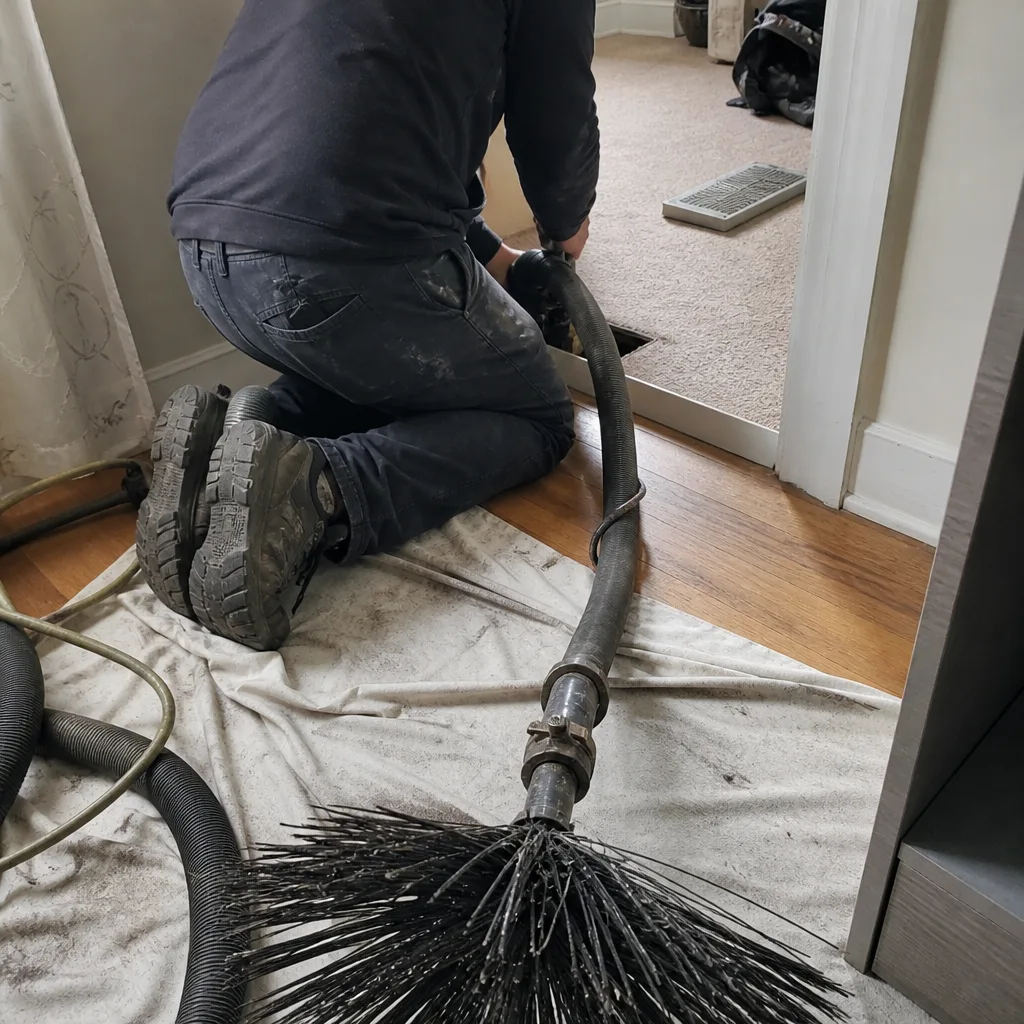 Before
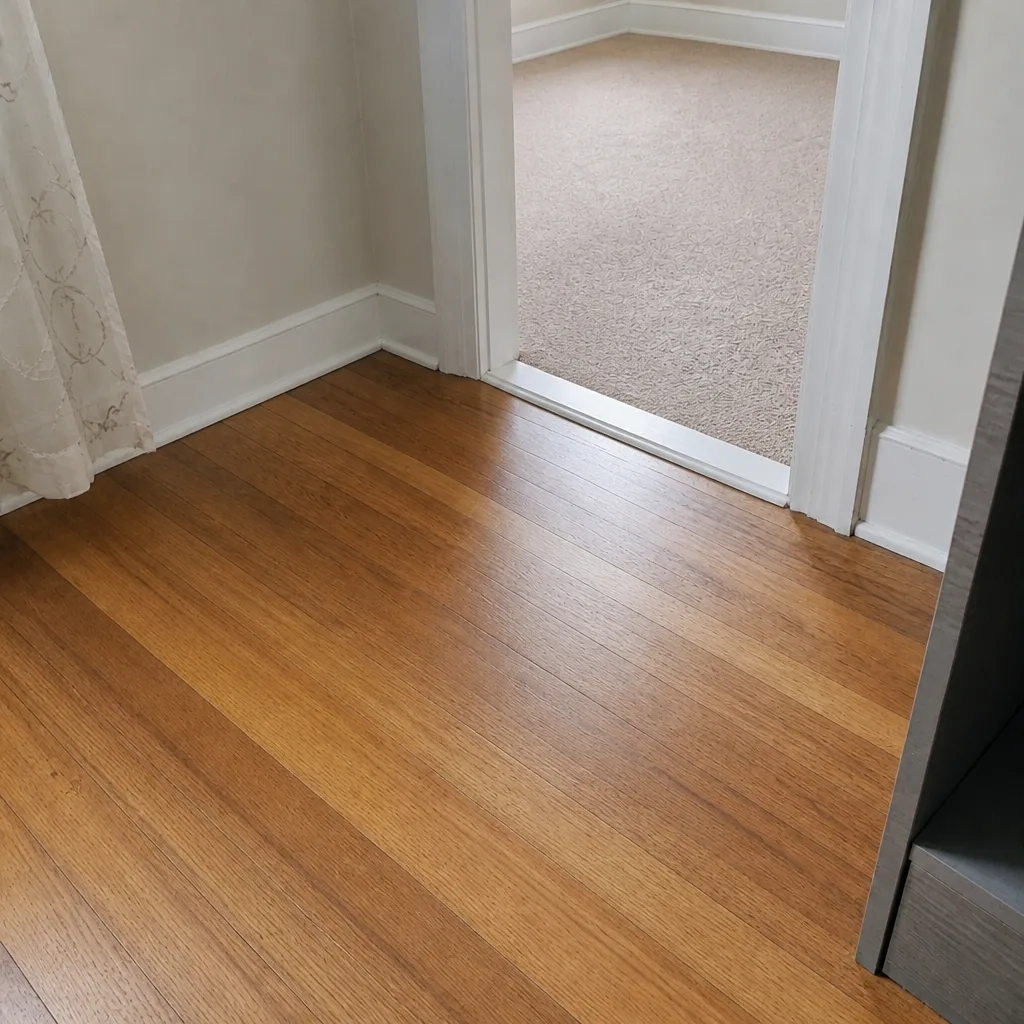 After
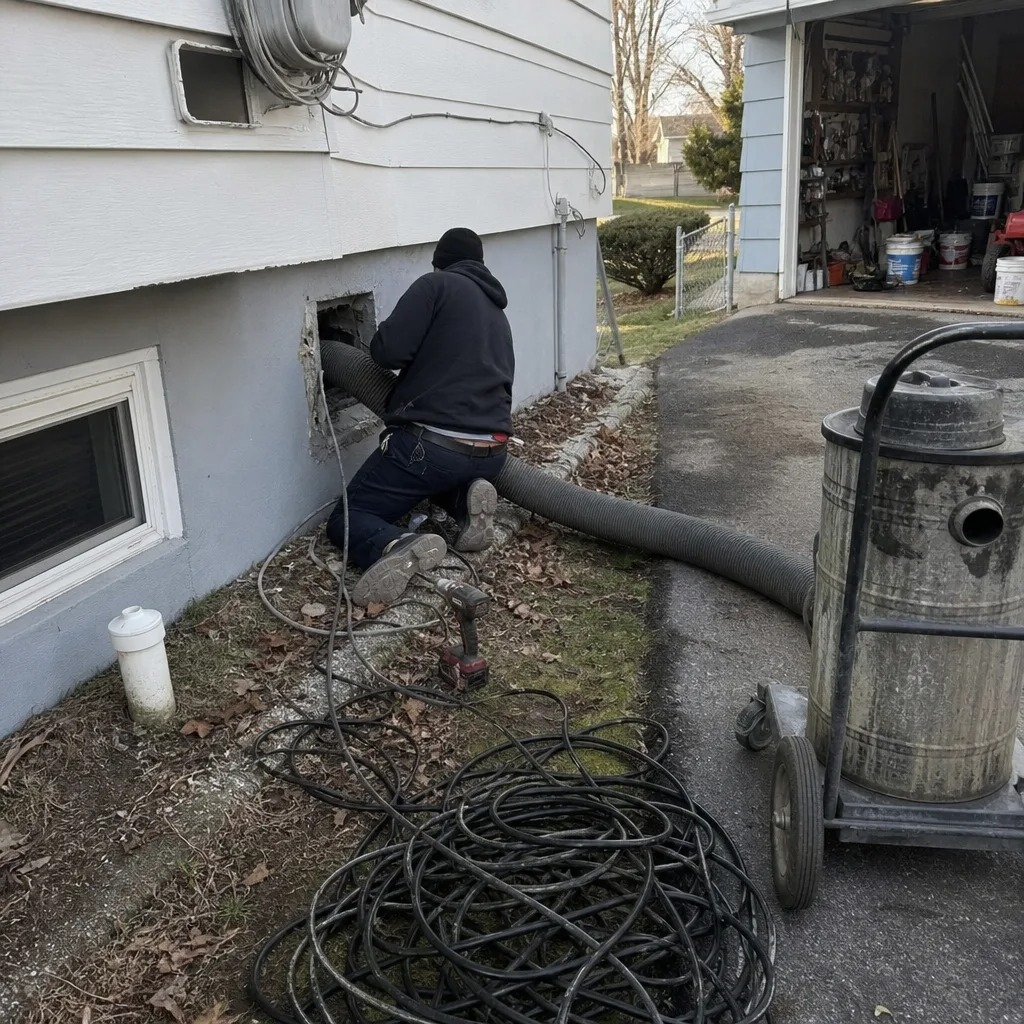 Before
 After
 Before
 After
The Bottom Line
The warning signs worth reading are the behavioral ones – runtime, filter loading rate, hot-room pressure, odor timing – because they arrive months before visible dust. Pair that with what you can safely check yourself at the return grille, the supply registers, and accessible flex, and you’ll know when a call is warranted. When it is, ask about the equipment: HVAC cleaning, duct sealing, and verified whole-system cleaning look different when professional-grade tools are involved. Our technicians have up to 9 years of experience reading exactly these signals in Air Duct Cleaning Bedford Park homes. If the signs are stacking, a free estimate is the simplest way to know what’s actually going on.
Contact
Ready to know what your ducts are telling you? Call (844) 702-0856 for a free estimate. We answer 24/7. Fast dispatch from 7am to 7pm, Sunday through Friday. The written estimate sets the price before any work begins, and you’ll see before-and-after photos of your own duct system – not a stock photo from a manufacturer’s brochure. If dryer vent, duct repair, duct sealing, air quality systems, or sanitizing are also on the table, we cover all of it as one company, full system.
Written by the team at Air Duct Cleaning Bedford Park.