
Last updated November 22, 2026
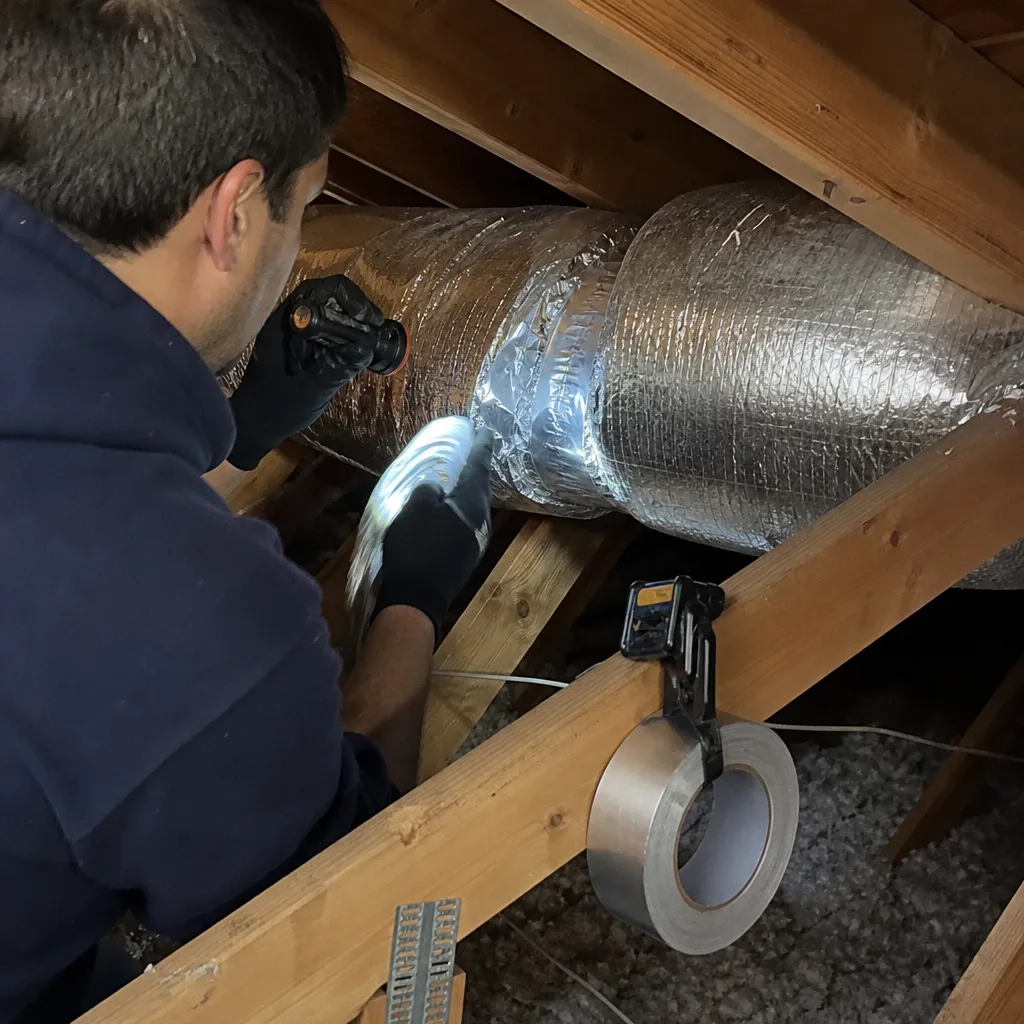
 Whole-home duct cleaning
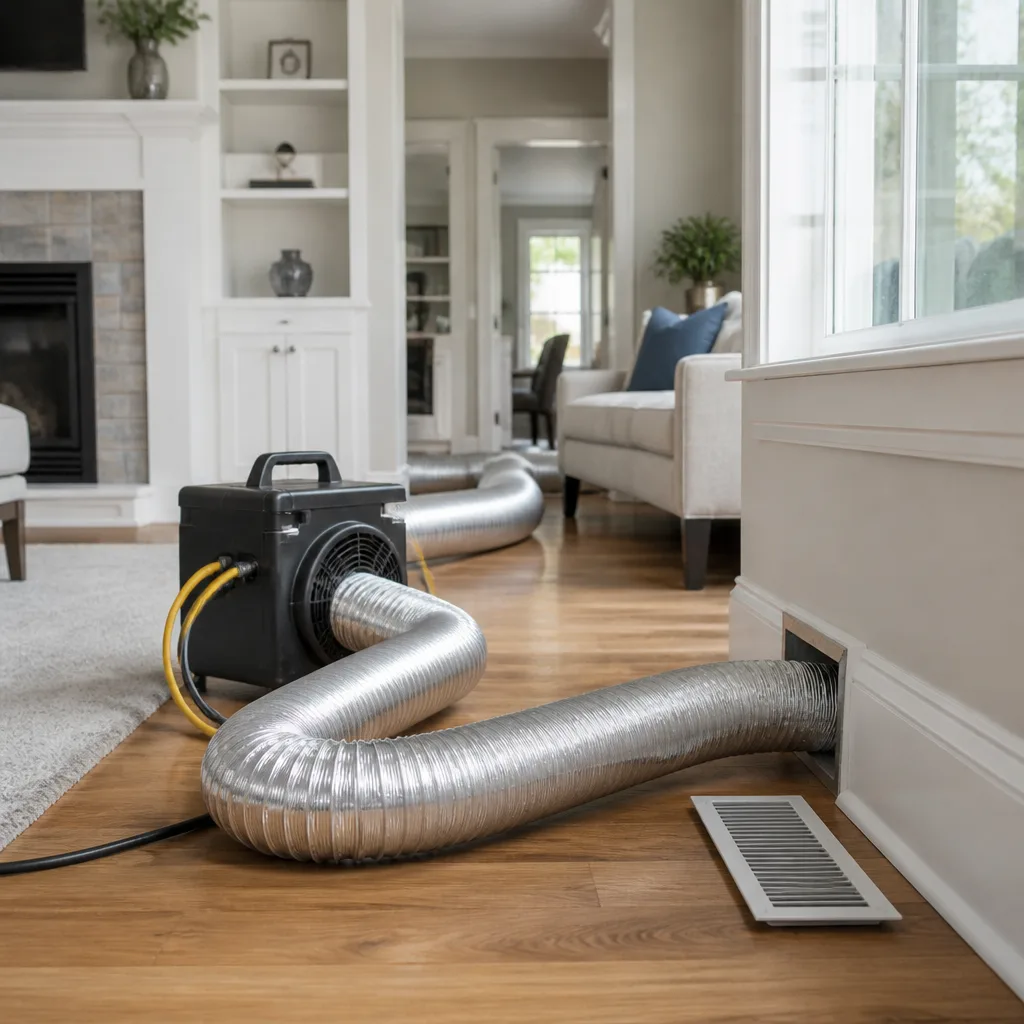
 Dryer vent cleaning
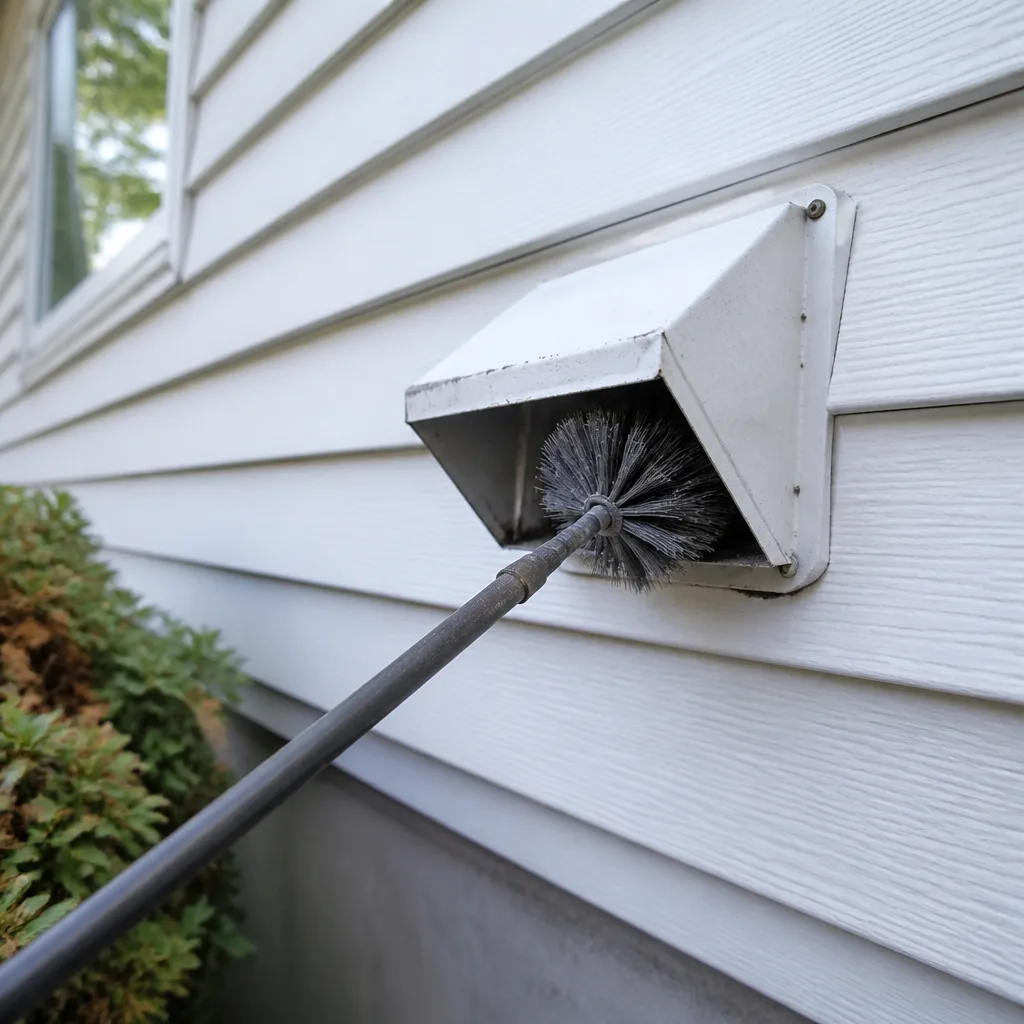
 Camera inspection
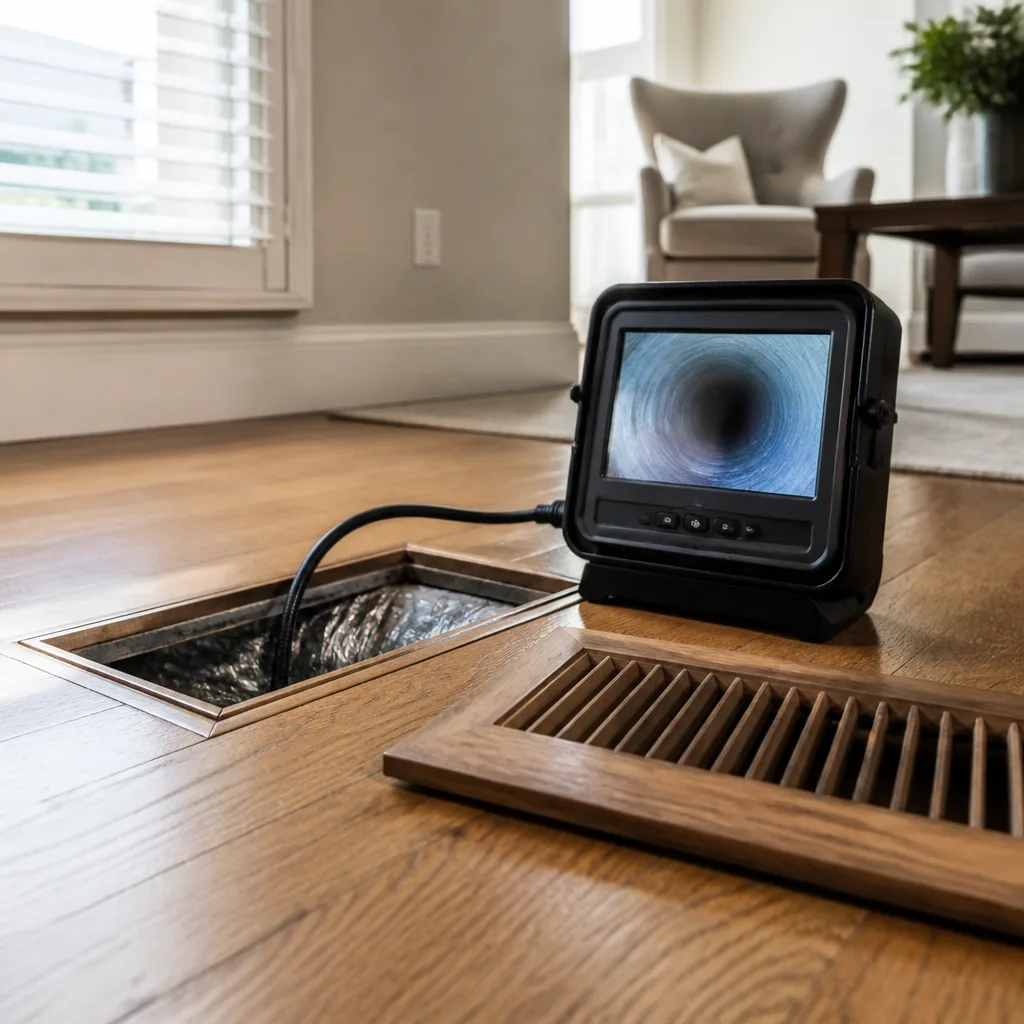
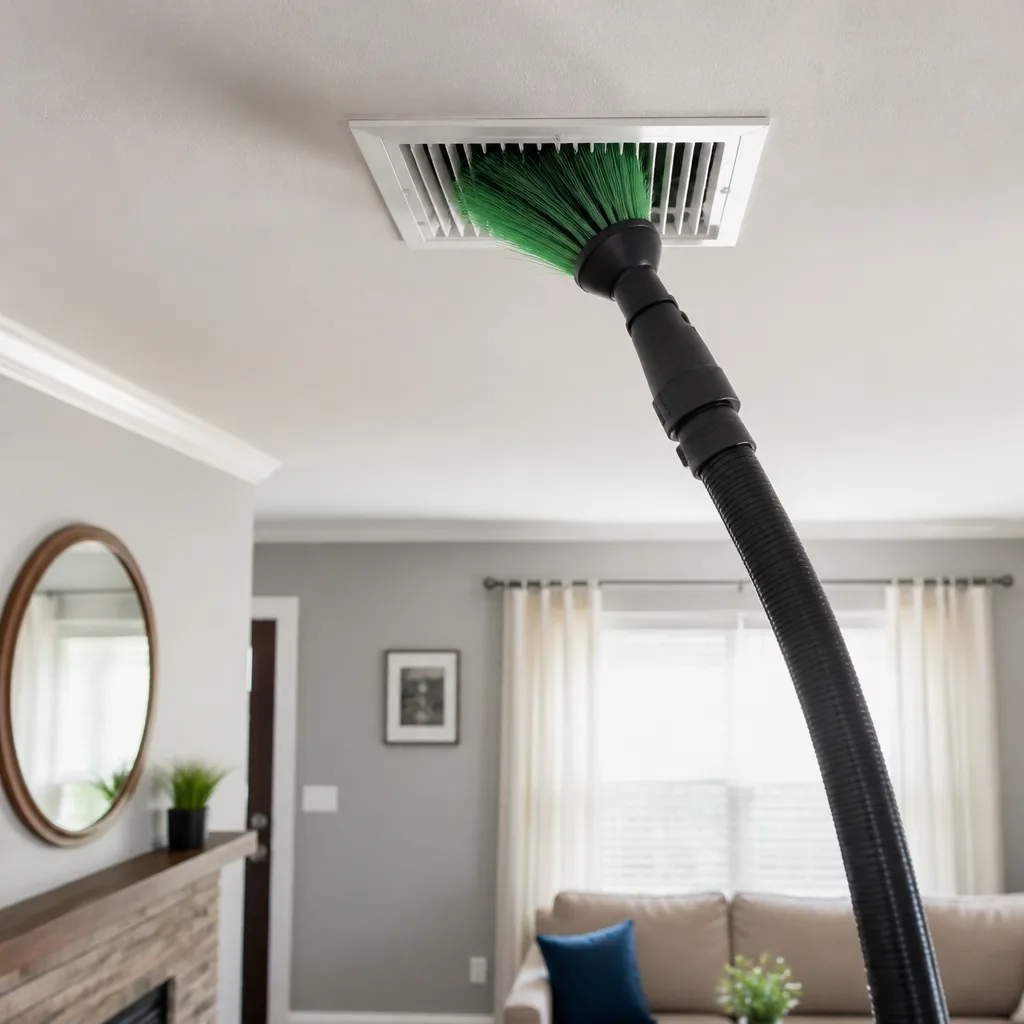 Sanitizing & deodorizing
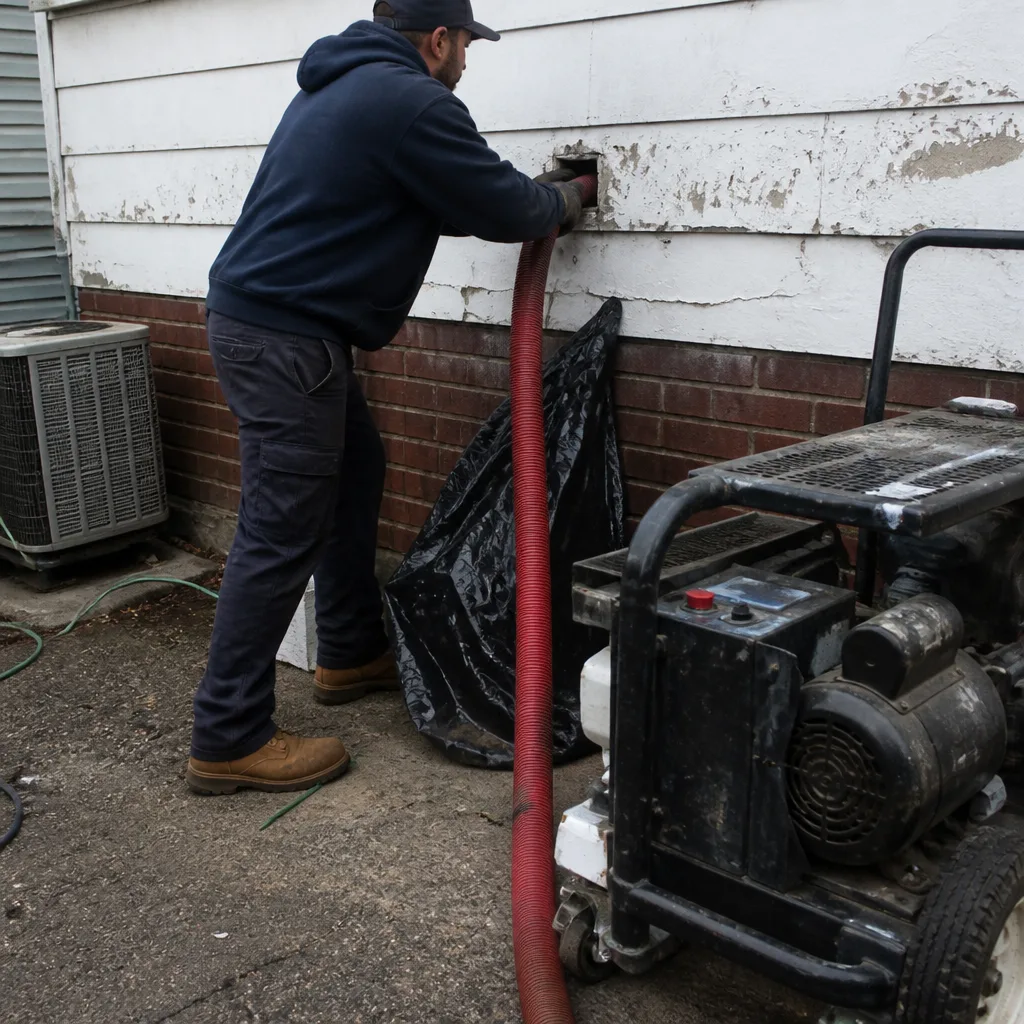
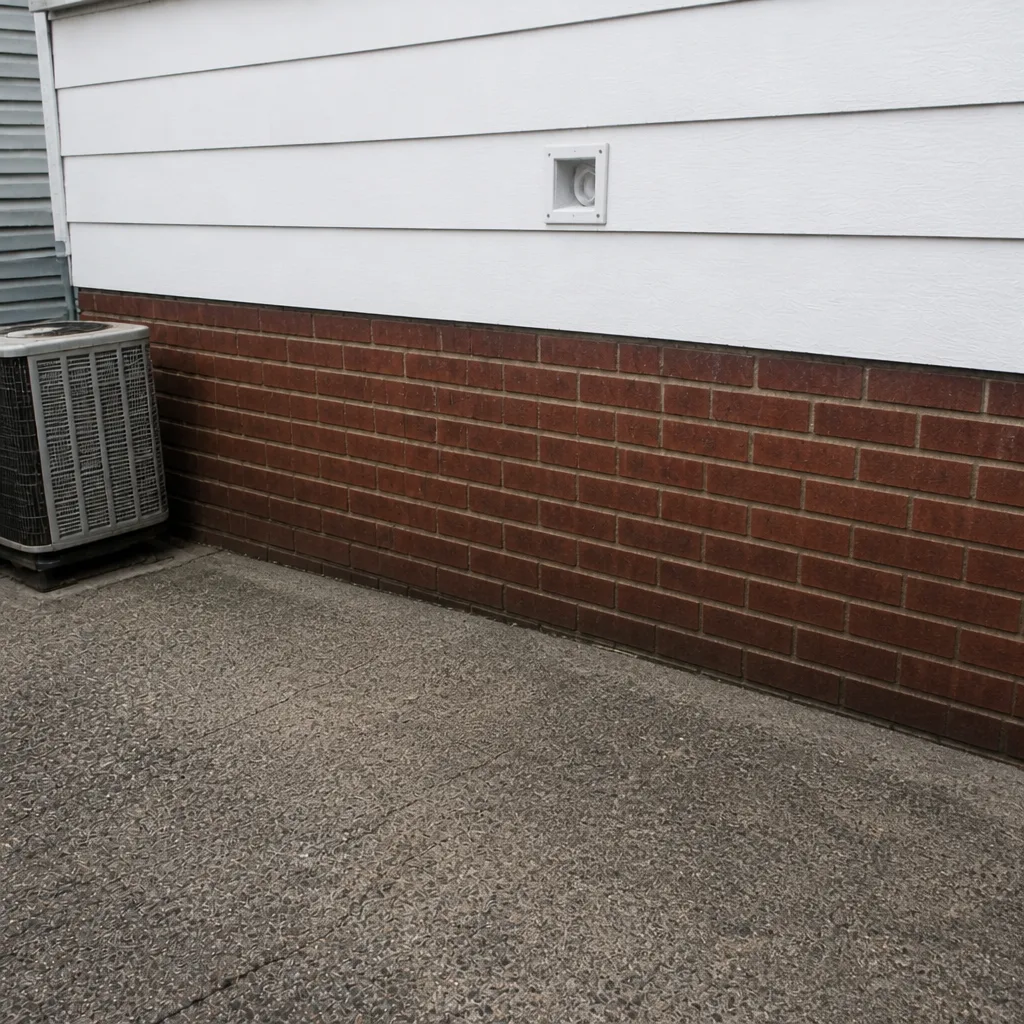
Whole-system duct and dryer vent check with before-and-after photos - you see exactly what came out of your vents
That "$99 whole-house special" is a bait ad - the real number appears once they are in your hallway, or the "clean" is a shop-vac at the register. We photograph the inside of your ducts before and after instead.
Seasonal Air Duct Cleaning Care for Bedford Park: Year-Round Homeowner’s Guide
Most homeowners think about their ducts twice: when the heat first kicks on and when the AC first kicks on. That’s exactly backwards. The worst time to discover your ducts are pushing mold spores into the living room is the first hot week of August, when you turn on the AC for the season. But the conditions that create that problem didn’t appear in August. They built up through a winter of humidity cycles and a spring of pollen loading. The air handling system in a Bedford Park home runs on a seasonal clock, and every season leaves a deposit. This guide maps what actually happens inside your ductwork from January to December, and shows you how to use each seasonal transition as a diagnostic checkpoint instead of an arbitrary cleaning trigger.
Quick Answer
Air ducts in Bedford Park don’t need cleaning on a fixed calendar schedule. They need cleaning when a seasonal checkpoint tells you the system has crossed a threshold: visible debris at the registers, a filter that loads faster than it used to, or a musty smell the first time the AC runs in spring. For most homes, the best time to schedule a cleaning on an interval is early fall, before the heating season starts, not spring. Spring is the best time to inspect.
Styles & brands we work with
- Whole-home duct cleaning
- Dryer vent cleaning
- Camera inspection
- Sanitizing & deodorizing
Table of Contents
- What Winter Heating Does to Your Duct System
- Why Spring Is the Highest-Stakes Inspection Window
- Summer Humidity and Flex Duct Liner Moisture
- Fall Pre-Heating Prep: The Right Time to Clean on an Interval
- Year-Round Passive Monitoring: What to Watch
- What Professional Equipment Actually Changes
- Dryer Vent Cleaning Belongs on the Same Seasonal Calendar
- Building Your Bedford Park Seasonal Schedule
What Winter Heating Does to Your Duct System
Winter is the hardest season on ductwork in Bedford Park, and it’s the season nobody watches. When a furnace or heat pump runs for months, the metal and flex duct runs expand and contract with every heating cycle. That thermal cycling is normal, but it does two things over a season. First, it works at every joint and seam. Second, it moves warm, moist air through sections of duct that sit in unconditioned space, where the surface temperature is colder than the air inside.
That temperature difference is where condensation forms. A duct run that passes through an unheated crawlspace, an attic, or a rim joist bay can sweat on the inside when warm air meets a cold duct wall. Moisture in a dark, dust-lined duct is the recipe for biological growth. Nobody notices in February. They notice in July.
Heating season does something else too. Dust that settles on heat exchanger surfaces gets baked on by repeated cycles of high heat. That layer of baked dust reduces heat transfer and makes the furnace work harder for the same output. It’s one of the reasons a system that felt fine in November feels sluggish by March.
What to check at the end of winter
- Any duct section passing through unconditioned space for signs of condensation or water staining at the seams
- The furnace filter, held up to light: if you can’t see through it, it’s overdue
- Supply registers for dark streaking around the perimeter, which often means air is bypassing the boot
- Any musty or “dirty sock” smell in the rooms closest to the air handler
If a duct joint has separated or a seam has opened, cleaning alone won’t fix it. That’s why we seal it, not just clean it. Duct repair and sealing is one of the five services we perform, and winter is when most of the gaps we find were created.
Why Spring Is the Highest-Stakes Inspection Window
Spring is the most useful inspection of the year, and it’s the one most Bedford Park homeowners skip. Think about the sequence. The heating system has just run for months, moving air and moisture through every duct run in the house. Now, before you switch to cooling, you have a window where the evidence of the whole winter is still sitting in the system and hasn’t yet been disturbed by a new season of operation.
Two components deserve a look in that window. The evaporator coil, which sits downstream of the return and catches whatever the filter misses, is often where a felt-like mat of debris accumulates over the heating season. And the filter itself, which should be upgraded at this transition, not in the middle of summer when the AC is already working hard.
A spring inspection, in order
- Look at the return registers. A grille with a visible dust fringe means the return side is loaded.
- Pull the filter and check its load pattern. Even loading is normal. One-sided or heavy edge loading can indicate a bypass or a bad filter fit.
- Inspect the evaporator coil if it’s accessible. A coil with visible debris needs cleaning before cooling season, not after.
- Smell the first AC run. If the first cool-air cycle of the season carries a musty note, that’s biological growth in the system, and it didn’t happen overnight.
- Book the cleaning if any of the above fails. If all of them pass, note the condition and re-check in fall.
Spring is also when most Bedford Park homeowners think about upgrading filtration. If your system uses a standard 1-inch filter slot, a thicker media filter or a higher-MERV option can make a real difference in how much debris reaches the coil. We work with Honeywell and Aprilaire filtration and humidity products, and we can tell you what your existing cabinet will accept without a modification. Ask us what equipment we’re bringing to the inspection, and we’ll tell you before we arrive.
Summer Humidity and Flex Duct Liner Moisture
Summer in Bedford Park is when the consequences of the previous two seasons become visible. The cooling system runs a large volume of cold air through ducts that are often colder than the surrounding air in unconditioned spaces, and the opposite of winter’s problem happens: the duct exterior sweats rather than the interior.
Flex duct is the component to watch. Most flex duct has an inner liner, a fiberglass blanket, and an outer jacket. If the outer jacket is torn, compressed, or poorly supported, moisture gets into the insulation blanket. Once the blanket is wet, it stays wet, and the liner inside it can hold that moisture against the airstream through the whole cooling season. In a finished basement, where the ductwork is exposed to conditioned but humid air, the risk is higher because the basement may be partially conditioned and the ducts run at a temperature close to the dew point.
- Check flex runs for sags and kinks. A sag collects moisture and debris at the low point.
- Look at the outer jacket. A torn or split jacket is a direct path for humid air into the insulation.
- Watch for condensation streaks on the duct surface. Cold pipes and cold ducts sweat for the same reason.
- Confirm basement humidity. If a finished basement feels clammy, the ducts running through it are in that same air.
If you find a wet flex run, cleaning it isn’t the fix. Wet insulation has to be replaced and the cause has to be corrected, which in a basement usually means addressing humidity at the source. An Aprilaire dehumidifier or a whole-home humidity control setup is one way to do that, and it’s the kind of system we install and can explain without a sales pitch.
Fall Pre-Heating Prep: The Right Time to Clean on an Interval
Here’s the counterintuitive part of the seasonal calendar. If you’re going to clean your ducts on a fixed interval, fall is the better time, not spring. Most homeowners clean in spring because it’s when allergy season starts. But a spring cleaning puts a fresh system in front of a cooling season, and then leaves that same system to accumulate an entire winter of heating dust, baked-on exchanger debris, and condensation moisture before the next service. A fall cleaning puts a fresh system in front of the heating season, and the cooling season that follows starts with a system that was cleaned only a few months earlier.
The practical window is short. The best time is after the cooling season has wound down and before the first real heating call of the year. Once the furnace has run for a few weeks, some of the dust has already been baked onto surfaces where contact cleaning is more work.
Timing your fall cleaning
- Wait for the cooling season to end. Running the AC after a cleaning pulls fresh outside debris back into the return.
- Do the cleaning before the first heat call. A cleaned system in front of the heating season stays cleaner longer.
- Replace the filter at the same visit. A new filter in a freshly cleaned system is the cheapest way to protect the work.
- Address any duct repair found during cleaning. A sealed system holds its cleanliness; an unsealed one doesn’t.
Fall is also the right time for HVAC cleaning if your furnace or air handler hasn’t been serviced in a while, because the same visit can cover the air handler cabinet, the blower, and the coil surfaces that a duct-only service doesn’t reach.
Year-Round Passive Monitoring: What to Watch
You don’t need to schedule an inspection every month to know your duct system’s condition. There are three passive signals you can read from the living space, and they tell you when the system has changed without requiring you to crawl into the attic.
1. What you see at the registers
A clean supply register shows a light, even film of dust between cleanings. A register that develops a dark ring, a fuzzy fringe, or a visible plume right at the grille is telling you something has changed upstream. A single register behaving differently from the rest of the house often means a broken or disconnected run, not a whole-system problem.
2. How the filter loads
Your filter’s loading rate is a diagnostic. If a filter that used to last three months now loads in six weeks, either the filter was downgraded, the return has a leak pulling unfiltered air, or the system is moving more debris than it used to. Note the date on the filter frame with a marker. The pattern over a year tells you more than any single filter change.
3. How the system runs
Runtime patterns matter. A system that runs noticeably longer to reach the same temperature, or that has started short-cycling in mild weather, may have a restricted coil or a duct leak. Those are HVAC issues, but they’re frequently duct issues first, and cleaning plus sealing often resolves them.
We’ve seen these three signals catch problems long before a homeowner would have thought to call. If you’re tracking them and something shifts, that’s your cue to call – not a date on a calendar.
What Professional Equipment Actually Changes
The seasonal calendar only works if the cleaning that follows a checkpoint actually removes what accumulated. That’s where equipment matters, and it’s the part of the conversation most Bedford Park homeowners never get to have with a low-bidder. A truck-mounted “blow-and-go” rig pressurizes the duct system and pushes debris loose. It doesn’t necessarily capture it, and it doesn’t contact-clean surfaces.
We use professional-grade Rotobrush contact-cleaning equipment, which physically works the duct surfaces rather than just moving air through them. We use Nikro HEPA source-removal equipment to capture contaminants at the point where they’re disturbed, so they don’t end up in your living room. And we run Abatement Technologies air filtration during the job, which is remediation-grade airborne particle control rather than a shop vac with a filter bag. HEPA-captured, not just loosened, is the difference between a cleaning and a redistribution.
- Contact cleaning: Rotobrush works the surface of the duct interior
- Source removal: Nikro HEPA equipment captures at the point of disturbance
- Air scrubbing: Abatement Technologies filtration controls airborne particles during service
- System completion: Honeywell and Aprilaire filtration, purification, and humidity products when a system upgrade makes sense
After cleaning, we sanitize where conditions call for it, and we seal what needs sealing. A duct that isn’t sealed after cleaning picks up debris again faster than one that is. If your system is running a Guardsman-style filter setup or an older media cabinet, we can also tell you what fits and what doesn’t.
Dryer Vent Cleaning Belongs on the Same Seasonal Calendar
Dryer vent cleaning is a fire-safety service, not an upsell, and it fits the same seasonal logic as ductwork. The dryer exhaust line accumulates lint at the same rate the rest of the house accumulates dust, and it’s driven by the same seasonal patterns: more laundry in winter, more humidity in summer affecting lint adhesion and drying time. It’s a service many air duct companies tack on without doing it properly. For us, it’s a named service, and we treat it with the same equipment standard.
The key difference is that a blocked dryer vent is a fire risk, not an air quality issue. You can’t inspect the vent run from the laundry room. If a dryer takes noticeably longer to dry, or the exterior vent flap doesn’t move freely when the dryer runs, that’s a signal to have the line cleaned. We offer dryer vent cleaning on the same seasonal visit as your duct inspection, which keeps the calendar simple.
Building Your Bedford Park Seasonal Schedule
Here’s a full-year calendar you can run against your own home. It’s built around the diagnostic checkpoints described above, not a fixed cleaning interval. Use it as a checklist and adjust it to what your system tells you.
- Late winter: end-of-heating inspection. Check duct sections in unconditioned space, the filter load pattern, and registers for streaking.
- Early spring: pre-cooling inspection. Look at the evaporator coil, upgrade the filter, and note any musty smell on the first AC run. Book cleaning if any checkpoint fails.
- Summer: humidity watch. Check flex duct runs for wet insulation, sags, and torn jackets, especially in finished basements.
- Early fall: this is your cleaning window if you’re on an interval. Clean, replace the filter, repair and seal any gaps, and then run the heating season on a fresh system.
- Late fall: pre-heating check. Confirm the furnace and air handler are ready, and that the return side is clean going into winter.
- Year-round: track filter dates and register conditions. Note any change as a signal, not a normal cycle.
If you want a full-system service rather than a duct-only visit, that’s where air duct cleaning as part of a broader indoor air quality service makes sense. One company, full system: cleaning, sanitizing, repair and sealing, and air quality hardware, so you don’t need a second contractor for the filtration or humidity side of the conversation. If you’re newer to the topic, our Air Duct Cleaning Bedford Park overview is a good place to start.
Common Mistakes to Avoid
- Cleaning in spring and skipping the fall window. Spring cleaning puts a fresh system in front of cooling season, then leaves it to accumulate an entire winter of heating dust before the next service. Fall is the better interval.
- Treating a calendar as a diagnostic. A “clean every year” schedule ignores what the system is actually doing. Watch the registers, the filter, and the runtime, and let them tell you when the threshold has been crossed.
- Choosing a low-bidder on price alone. A truck-mounted blow-and-go job loosens debris without capturing it. Ask any company what equipment they’ll bring and how they’ll capture what they dislodge. If they can’t answer, that’s your answer.
- Skipping the seal after the clean. A cleaned duct that isn’t sealed picks up debris again faster than one that is. Sealing is not optional if you want the cleaning to last.
- Ignoring the first AC run smell. A musty note on the first cool-air cycle of spring is a report on the previous winter, not a minor annoyance. It usually means biological growth in the system and should be inspected.
- Letting the dryer vent sit on the to-do list. A blocked dryer vent is a fire risk, not a performance issue. It belongs on the same seasonal calendar as the ducts, not on a separate list you never get to.
- Assuming a wet flex duct needs cleaning. If the insulation is wet, the fix is replacement and moisture control. Cleaning a wet run and leaving the wet insulation in place just puts clean air into a wet channel.
See the difference
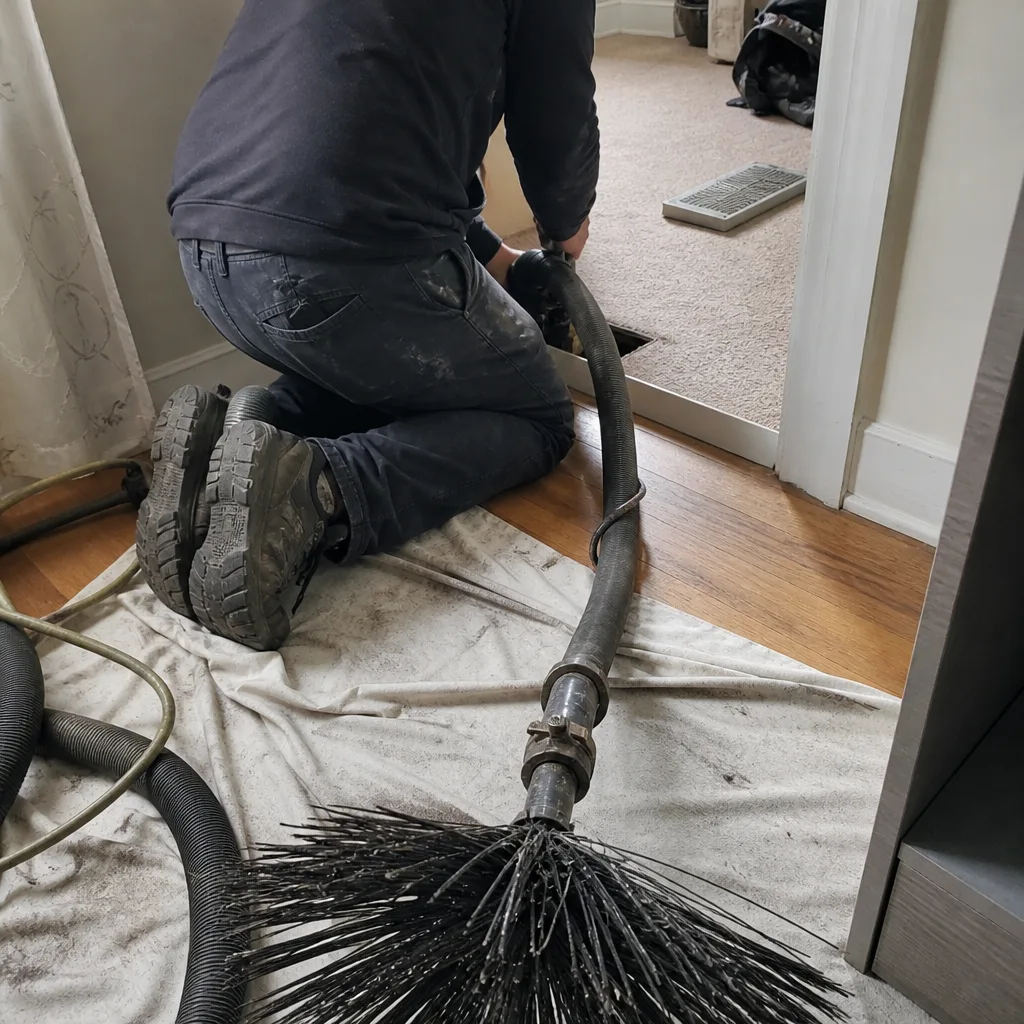 Before
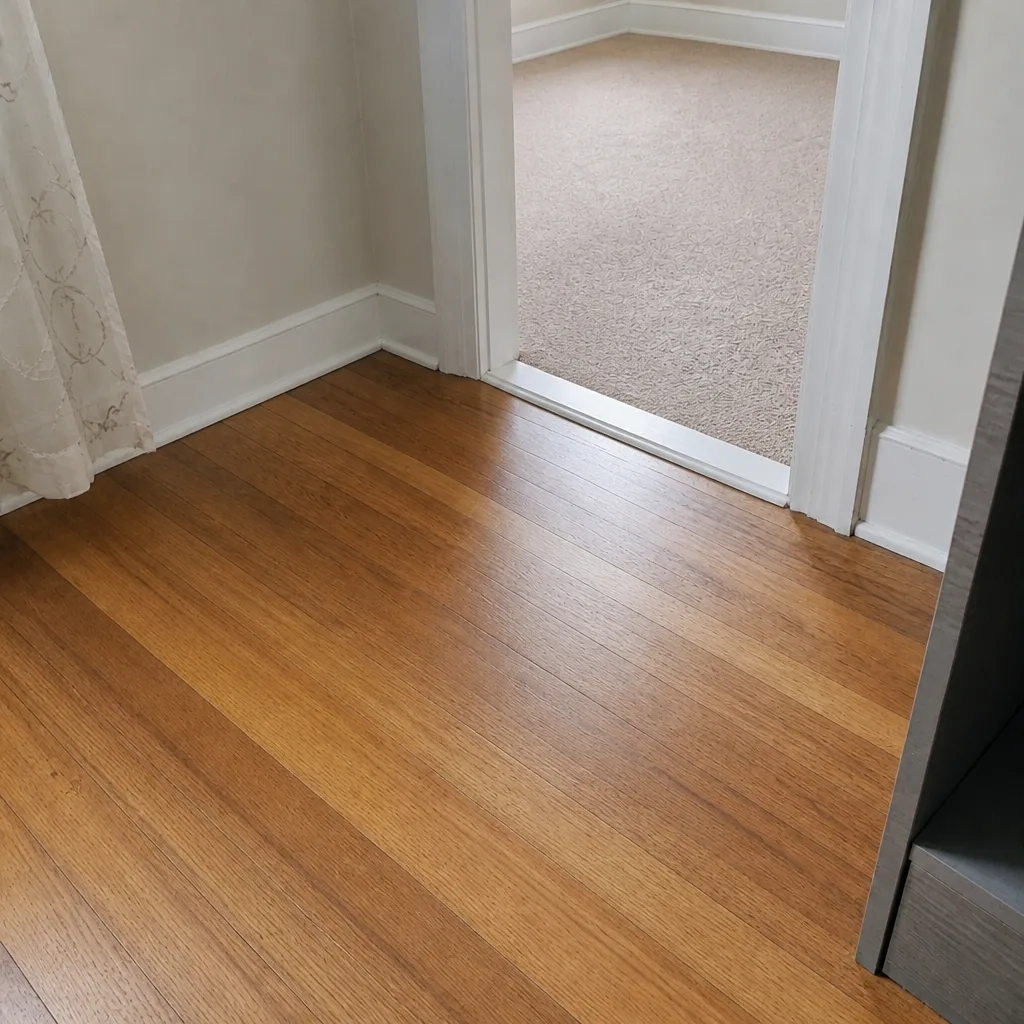 After
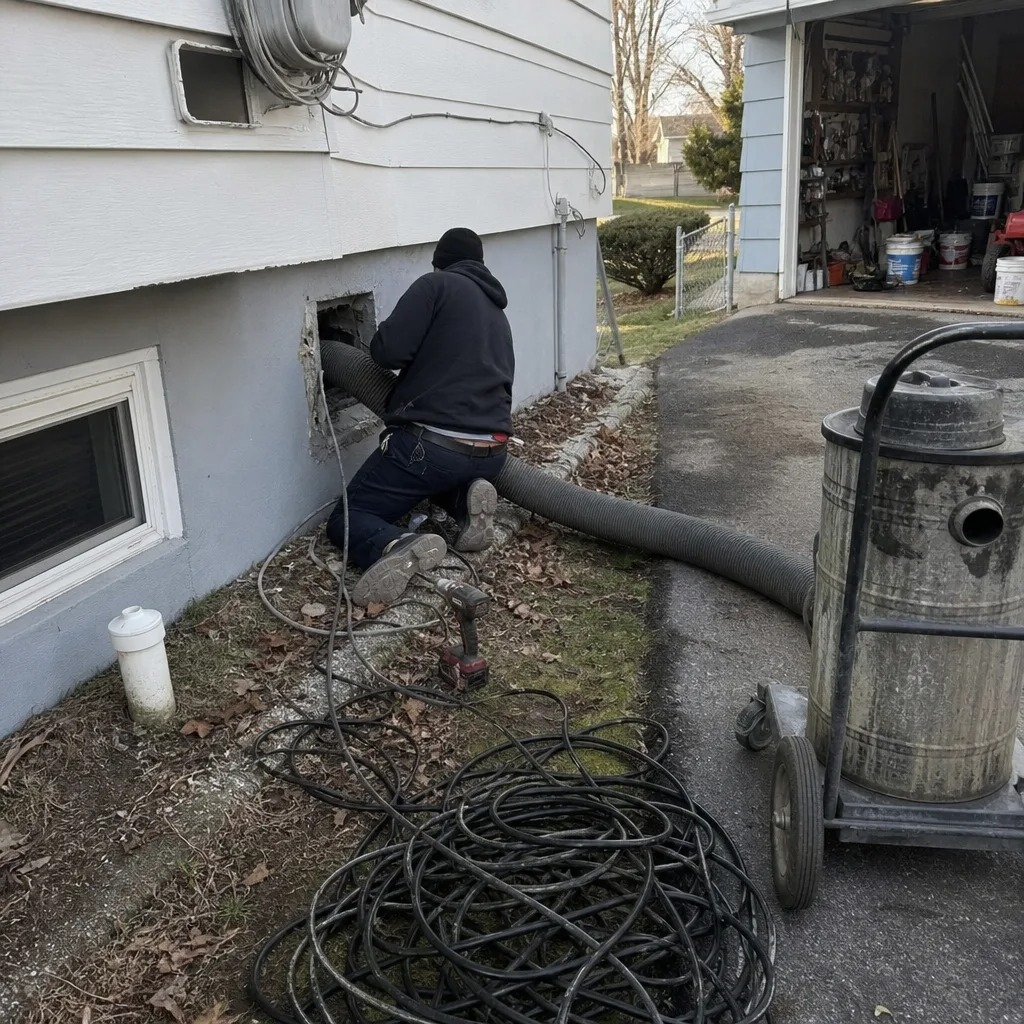 Before
 After
 Before
 After
When to Call a Professional
Call a professional when a checkpoint fails and stays failed. That means a musty smell on the first AC run, a filter loading noticeably faster than it did a year ago, visible debris or streaking at the supply registers, condensation or wet insulation on a flex duct run, or a dryer that takes longer to dry than it used to. It also means any duct joint you can see has separated, since cleaning won’t fix that. Our technicians have up to 9 years of experience reading exactly these signals. Air Duct Cleaning Bedford Park offers free estimates in Bedford Park – call (844) 702-0856. We answer 24/7. Fast dispatch from 7am to 7pm, Sunday through Friday.
Frequently Asked Questions
There’s no fixed interval that fits every home in Bedford Park. A reasonable default for many homes is every two to three years, but the seasonal checkpoints in this guide should drive the decision. If a spring inspection shows a loaded coil or a filter loading faster than usual, clean sooner. If your checkpoints pass, you can safely wait longer than the calendar suggests.
Fall is the better time to clean if you’re on an interval, because a freshly cleaned system goes into the heating season and the cooling season that follows starts with a system cleaned only a few months earlier. Spring is the better time to inspect, because the evidence of the winter season is still in the system. Inspect in spring; clean in fall if the checkpoints call for it.
Winter thermal cycling works at every joint and seam, and warm air moving through ducts in cold unconditioned spaces creates condensation on the inside of the duct wall. That moisture plus dust is where biological growth starts. Baked-on dust on the heat exchanger is the other winter effect. None of this is visible from the living space until the first AC run of summer.
A musty smell on the first AC run usually means biological growth has developed in the system, most often at the evaporator coil or in a duct run that saw winter condensation. It didn’t happen overnight; it built up over the heating season. That smell is a signal to inspect before running the AC for the summer. Call (844) 702-0856 for an exact quote on an inspection – estimates are free.
Look at the outer jacket for tears or splits, look for sags where moisture and debris collect, and check the duct surface for condensation streaks. If a finished basement feels clammy through the cooling season, the ducts running through it are exposed to that same humid air. Wet insulation has to be replaced, not cleaned, so a wet run is a repair call rather than a cleaning call.
You can do most of them yourself. Registers, filters, and the first AC run smell are all readable from the living space. What you shouldn’t do yourself is open up the air handler, inspect the evaporator coil, or access duct runs in the attic or crawlspace, and dryer vent cleaning shouldn’t be a DIY job because of the fire risk. For those, call a professional. Call (844) 702-0856 for an exact quote – estimates are free.
The Bottom Line
Air duct care in Bedford Park isn’t a calendar question, it’s a seasonal checkpoints question. Winter builds up condensation and baked-on dust, spring is when you catch it, summer is when wet flex duct becomes obvious, and fall is the right window to clean if you’re on an interval. Watch the registers, the filter loading rate, and the runtime, and let those three signals tell you when the system has changed. When a checkpoint fails and stays failed, call a company that will tell you exactly what equipment it’s bringing and how it captures what it dislodges. We do that, because the equipment is the proof. Dryer vent cleaning belongs on the same calendar, and the full indoor air quality chain – cleaning, sanitizing, repair and sealing, and Honeywell and Aprilaire filtration and humidity systems – stays with one company so you’re not stitching a solution together from three contractors.
Call (844) 702-0856 for a free estimate. We answer 24/7. Fast dispatch from 7am to 7pm, Sunday through Friday. We’re closed Saturday.
Written by the team at Air Duct Cleaning Bedford Park.