
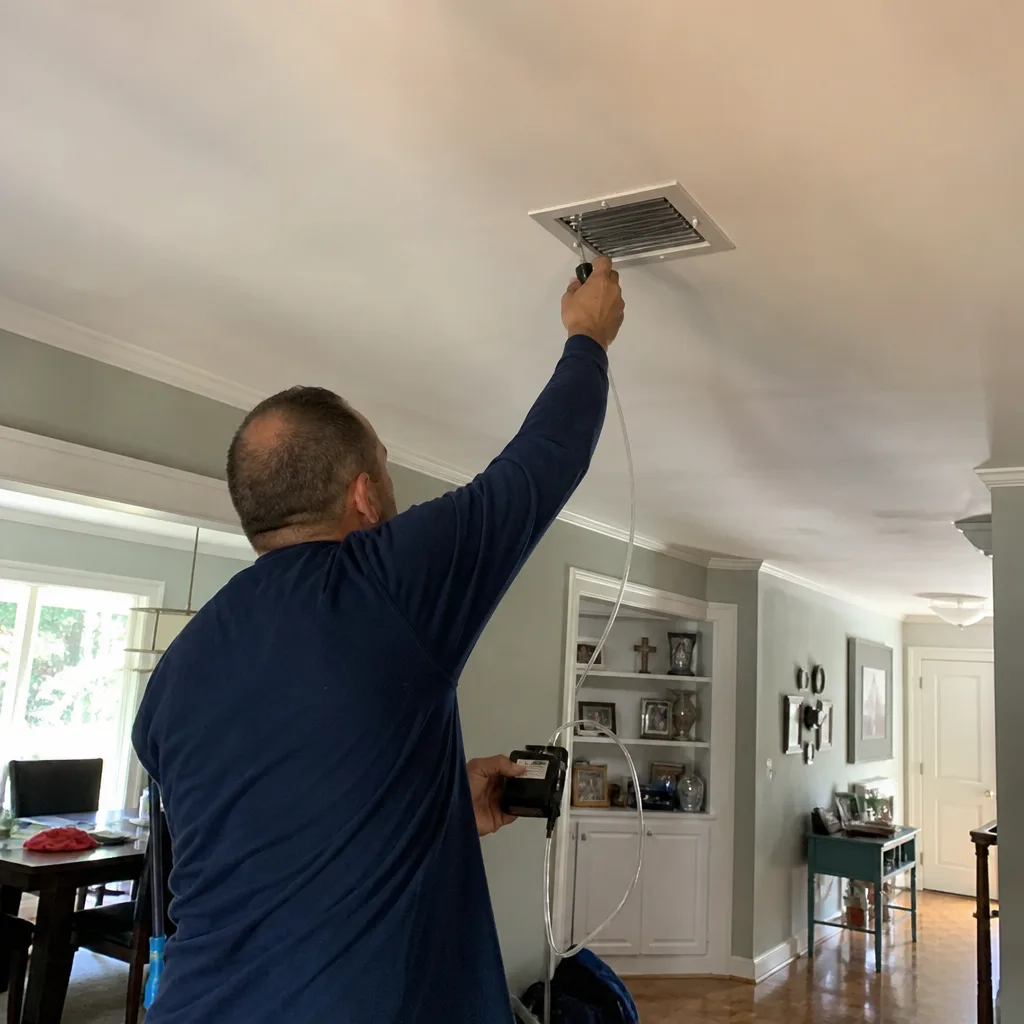
Last updated November 22, 2026
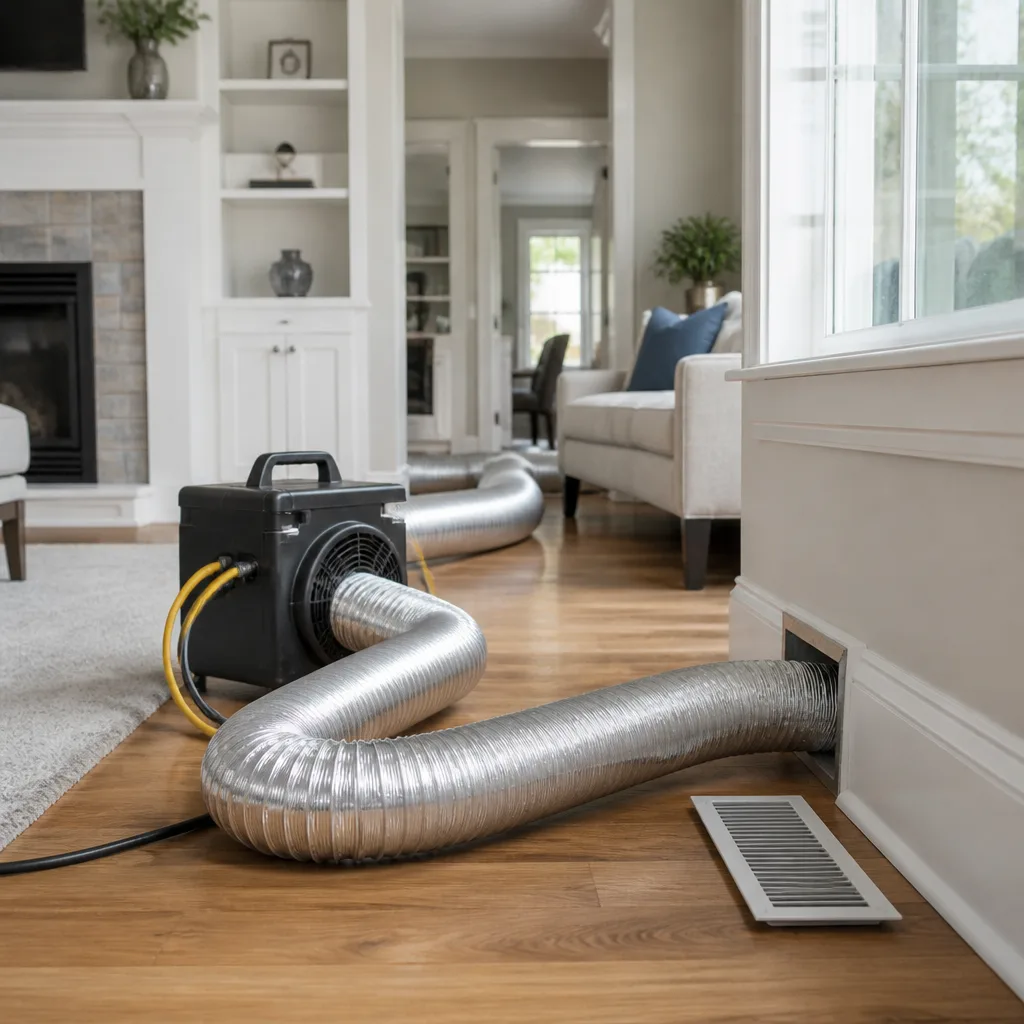 Whole-home duct cleaning
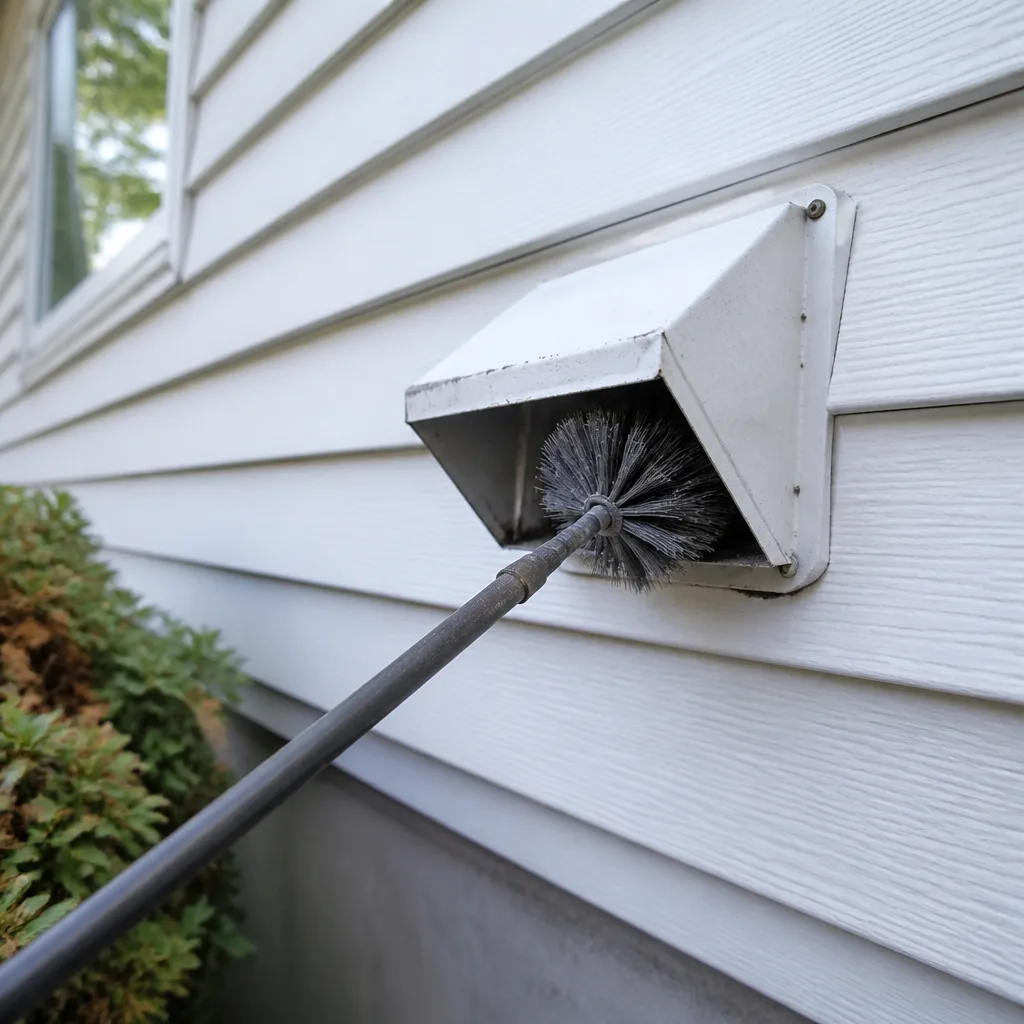 Dryer vent cleaning
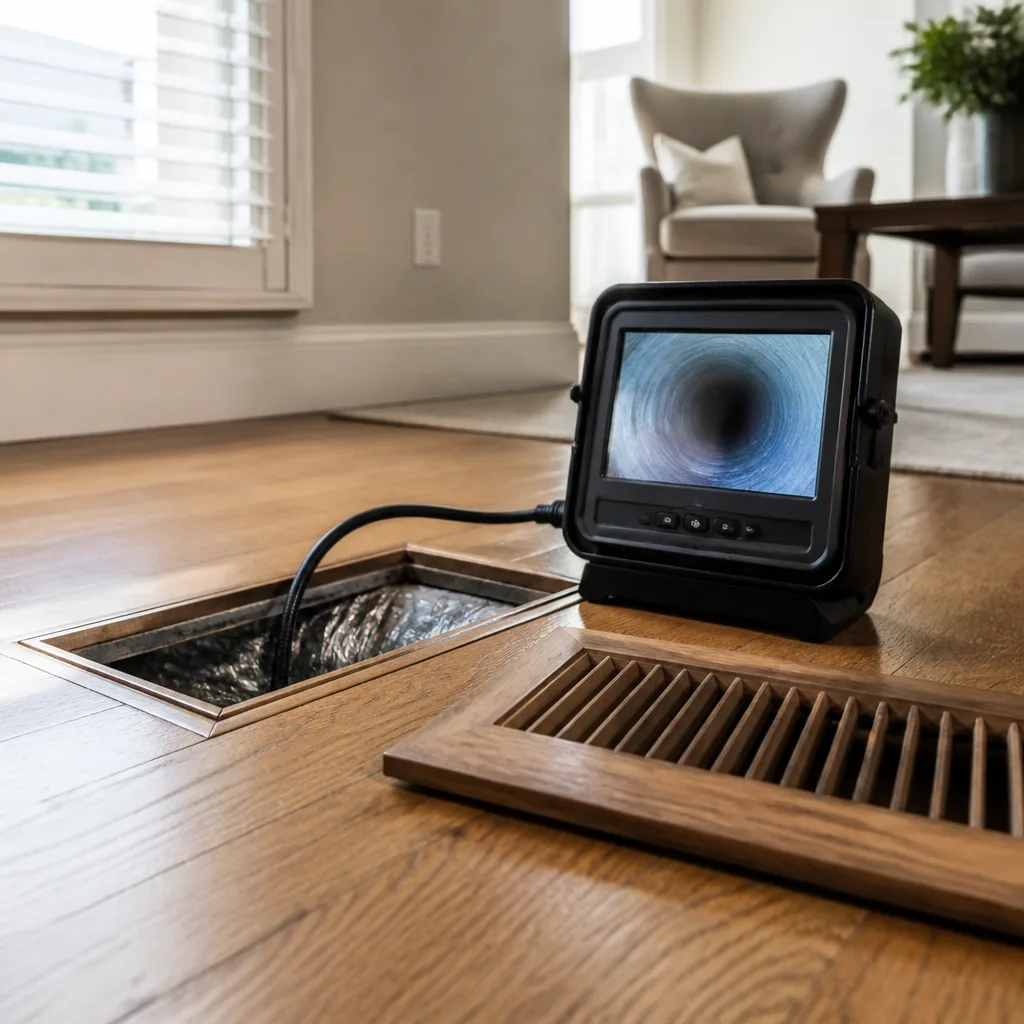 Camera inspection
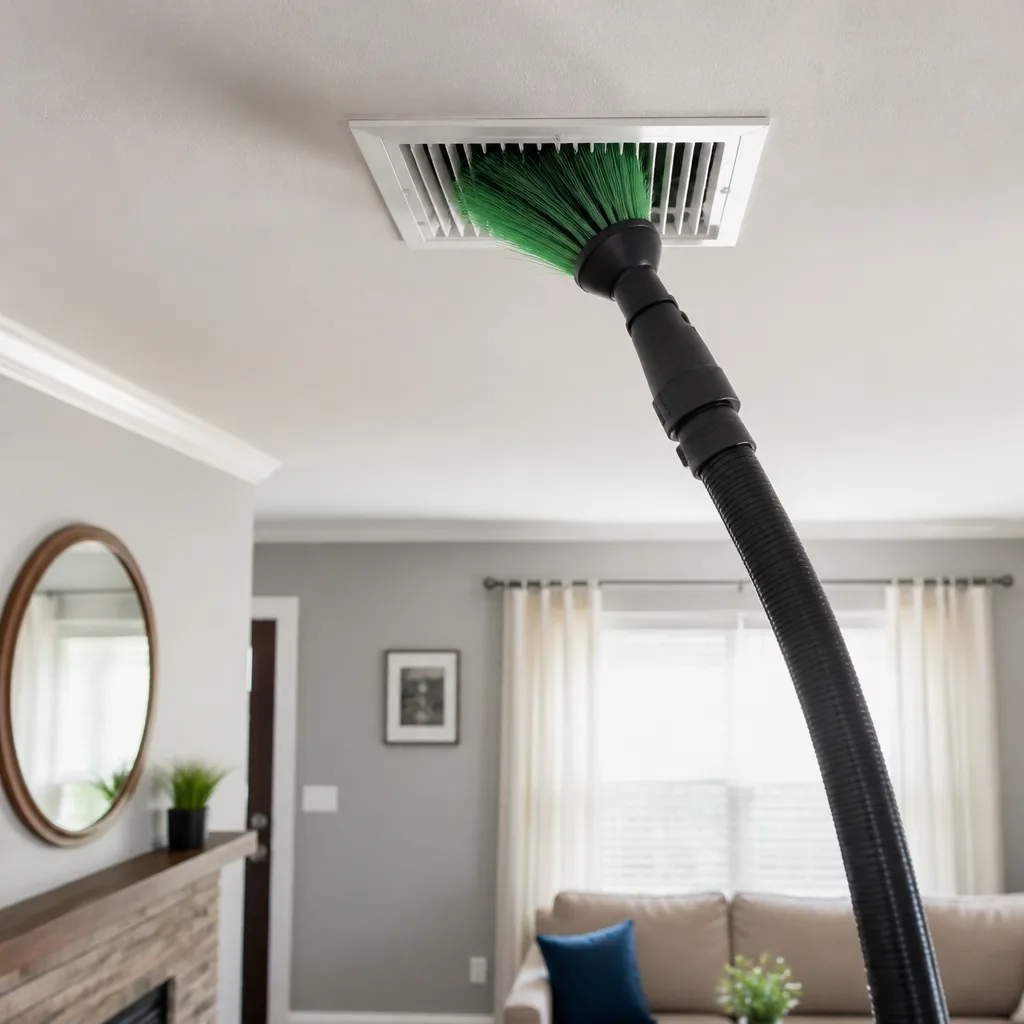 Sanitizing & deodorizing
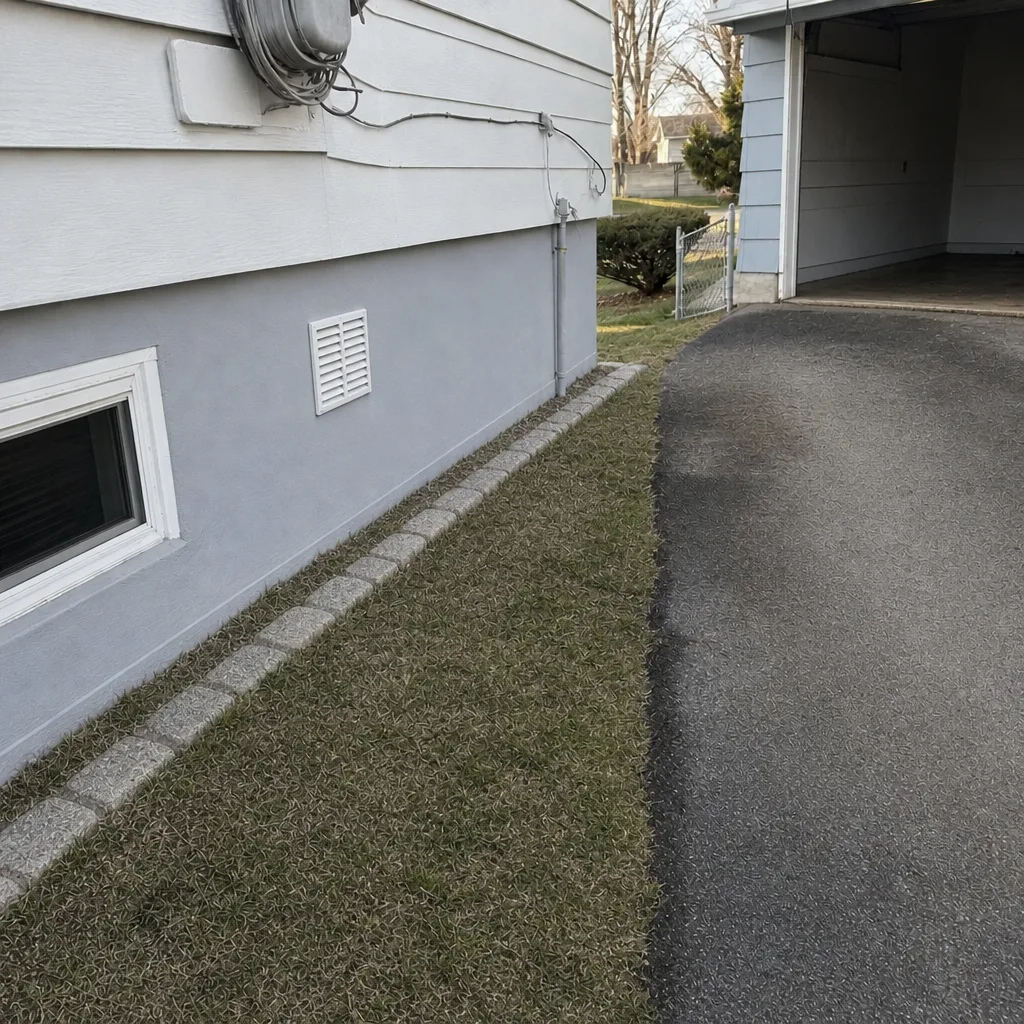
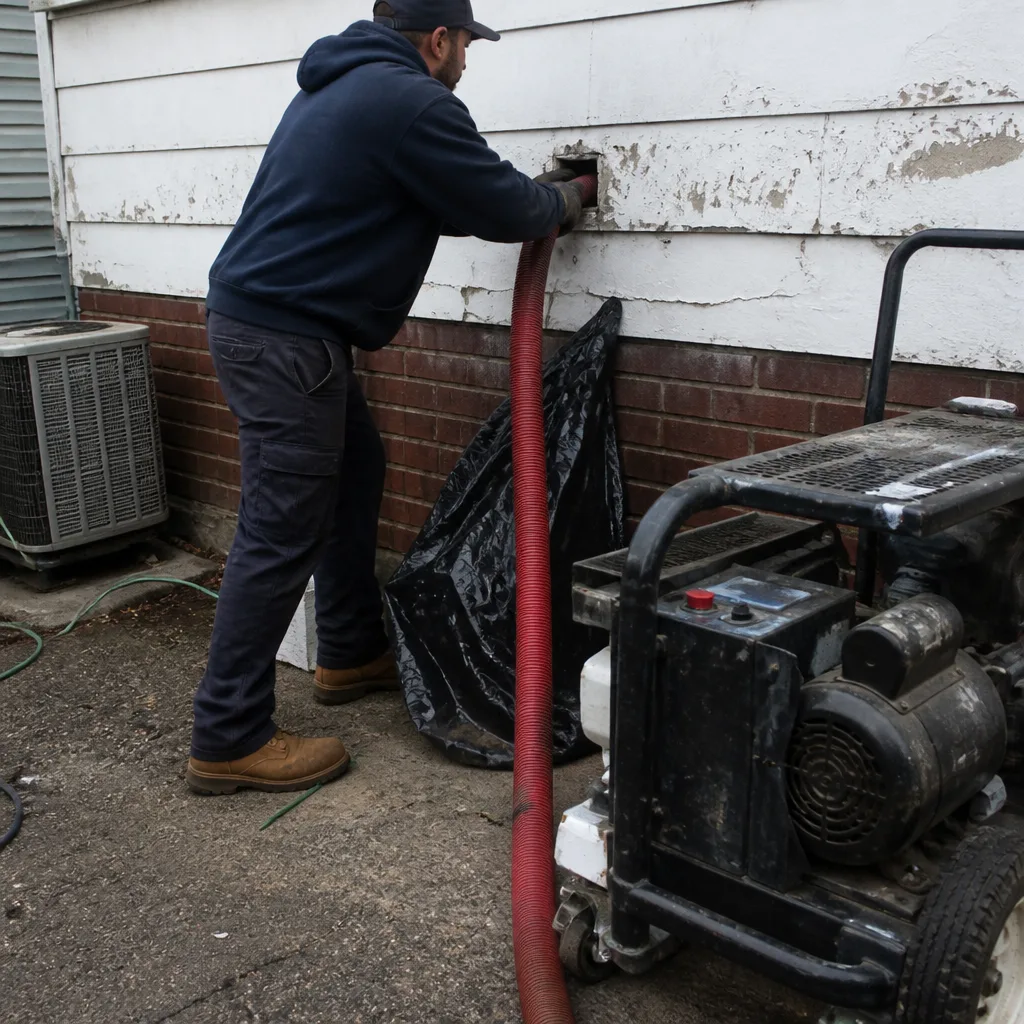
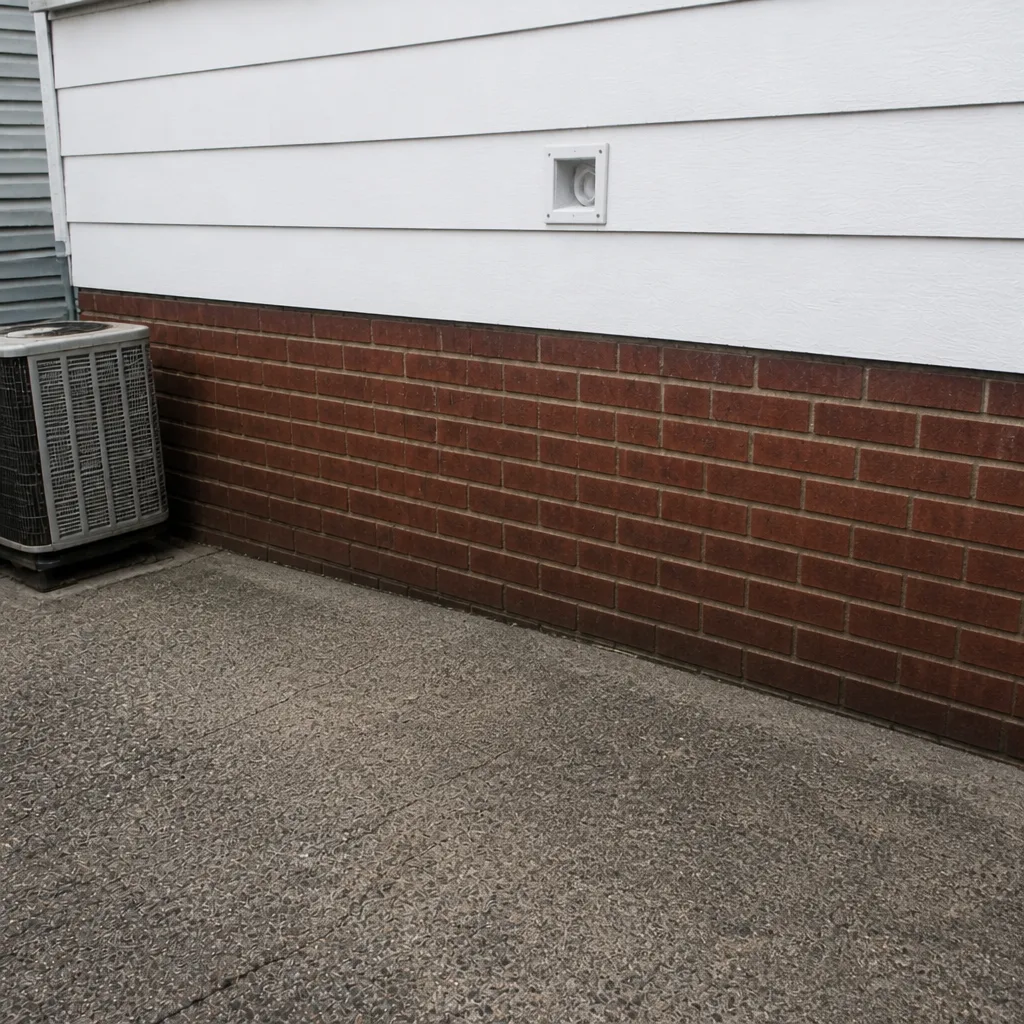
Whole-system duct and dryer vent check with before-and-after photos - you see exactly what came out of your vents
That "$99 whole-house special" is a bait ad - the real number appears once they are in your hallway, or the "clean" is a shop-vac at the register. We photograph the inside of your ducts before and after instead.
Air Duct Cleaning Permits, Codes & Inspections in Bedford Park, NY: What You Need to Know
Here’s the part most Bedford Park homeowners don’t expect: cleaning your ducts usually needs no permit at all, but the moment a contractor cuts into a duct, replaces a run of flex, or seals a contaminated liner, you’ve crossed into work that New York regulates. And a contractor who replaces a section of ductwork without a permit isn’t just cutting corners. In New York, unpermitted alteration work can put your homeowner’s insurance coverage at risk for any later fire or air quality damage traced back to it. This guide walks through where the line between maintenance and alteration actually falls, which authority in the Bedford Park area issues mechanical permits, when mold work pulls in a licensed remediator, and how to get documentation that holds up at resale.
Quick Answer
Air duct cleaning by itself does not require a permit in New York, because it’s classified as maintenance rather than construction. But duct repair, flex duct replacement, new duct installation, and mold remediation inside a duct system can fall under New York’s mechanical code (based on the International Mechanical Code), and mold remediation may trigger New York Labor Law 930. Bedford Park sits within New York City, so mechanical permits for work here come from the NYC Department of Buildings, not Nassau County.
Styles & brands we work with
- Whole-home duct cleaning
- Dryer vent cleaning
- Camera inspection
- Sanitizing & deodorizing
Table of Contents
- Cleaning vs. Alteration: Where New York Draws the Line
- What the Mechanical Code Says About Ductwork
- Mold in Your Ducts and Labor Law 930
- Bedford Park Jurisdiction: NYC vs. Nassau County
- Encapsulation vs. Removal: What the Terms Mean
- Getting Documentation That Holds Up
- What an Inspection Actually Checks
- Common Mistakes to Avoid
Cleaning vs. Alteration: Where New York Draws the Line
The regulatory line isn’t about how much dust you remove. It’s about whether the duct system’s structure, capacity, or material composition changes. Cleaning leaves the system as it was, just with less debris inside. Alteration changes something.
New York’s mechanical code, which follows the International Mechanical Code structure, treats ductwork as a regulated building system. Routine maintenance – brushing, vacuuming, sanitizing the interior surfaces – is not a construction activity and doesn’t require a filing. But once a contractor removes and reinstalls duct sections, changes the routing, swaps rigid duct for flex, or adds new supply or return runs, the work becomes an alteration to a regulated system.
That distinction matters for Bedford Park homes for a practical reason. The neighborhood’s housing stock includes a lot of older two- and three-family buildings and prewar apartment conversions, many of which have had ductwork added, extended, or rerouted over the decades. In our experience, a “simple cleaning” in a Bedford Park building sometimes turns up duct runs that were themselves installed without proper documentation. That’s a conversation worth having before anyone starts cutting.
A useful way to sort the two categories:
- Maintenance (no permit): contact cleaning of duct interiors, sanitizing, sealing small leaks with approved sealant, filter replacement, register and grille cleaning.
- Alteration (may need a permit): replacing a duct run, adding a new supply or return, changing duct size, replacing rigid duct with flex, connecting new equipment to the duct system, encapsulating liner material.
If you’re unsure which category your job falls into, the safest move is to ask the contractor to state it in writing before work begins. For a baseline on what routine air duct cleaning involves, our service page walks through the full process.
What the Mechanical Code Says About Ductwork
New York’s mechanical code sets requirements for duct material, installation, support, sealing, and clearances. Cleaning contractors don’t enforce it – code officials do – but the code shapes what a legitimate duct repair looks like and what an inspector will want to see.
Three areas come up most often in residential work:
- Material and installation standards. Duct material has to be approved for the application, and joints and seams must be sealed to the standard the code sets out. A repair that leaves an unsealed joint or uses unapproved material is a code issue whether or not anyone filed for a permit.
- Support and clearance. Ducts need proper support at defined intervals and required clearance from combustibles. Flexible duct sagging through a joist bay is one of the more common problems we encounter during duct repair and sealing work.
- Connection to equipment. When a duct system is reconnected to a furnace or air handler, the connection has to meet the code’s requirements for that equipment. This is where an HVAC cleaning visit sometimes turns into a repair conversation, because the duct connection is right there in front of us.
For Bedford Park homeowners, the practical takeaway is that duct repair isn’t purely cosmetic. A repair done to code is sealed, supported, and made of approved material. A repair done without that standard is a future leak, a future efficiency loss, and potentially a future insurance question.
Our technicians have up to 9 years of experience working with these systems, and we use remediation-grade equipment like Nikro HEPA units and Abatement Technologies air filtration so that dislodged debris gets captured rather than redistributed into living space while we work. If a repair is needed, we handle it under our duct repair and sealing service rather than sending you to a second contractor.
Mold in Your Ducts and Labor Law 930
New York Labor Law 930 sets licensing requirements for mold assessment and remediation. It separates assessment from remediation so that the same party doesn’t do both, and it establishes a licensing framework through the state Department of Labor. In plain terms: a company that cleans ducts is not automatically a licensed mold remediator, and it should not present itself as one.
Why does this matter in a duct context? Because visible mold growth on duct liner, on the interior of an air handler, or around registers is not a cleaning problem. It’s a remediation problem. Cleaning mold off a surface without addressing the moisture source and without proper containment tends to produce a rebound within a season or two.
In our experience across Bedford Park, moisture in duct systems most often traces back to three sources:
- Condensation on cold duct surfaces in humid summer weather, especially where ducts run through unconditioned space.
- Roof or plumbing leaks that wet ceiling cavities and duct insulation without being noticed for months.
- Poorly sealed returns pulling humid basement or crawlspace air into the system.
If a cleaning contractor tells you they found mold and can handle it themselves, ask two questions: are you licensed for mold remediation under Labor Law 930, and will you provide written documentation of the scope and clearance. If the answers are vague, that’s a signal to stop. We’re happy to clean and sanitize a duct system as part of our air quality and sanitizing service, and we’ll tell you plainly when a job needs a licensed remediator instead.
Bedford Park Jurisdiction: NYC vs. Nassau County
Bedford Park is in the Bronx, within New York City, so mechanical permits for work here are issued by the NYC Department of Buildings. That’s the authority that governs duct alterations, equipment connections, and related construction work in the neighborhood. Nassau County has its own permitting structure, and it does not apply to Bedford Park addresses.
The confusion happens because a lot of Bedford Park homeowners work with contractors from across the region, and a contractor based in Nassau or Westchester may default to the filing process they know from their home jurisdiction. The requirements aren’t identical.
A short comparison:
- Bedford Park (Bronx, NYC): NYC Department of Buildings handles mechanical permits and inspections. Work within NYC follows the NYC Construction Codes, which incorporate the mechanical code requirements described above.
- Nassau County: a separate county permitting system with its own filing process, inspection sequence, and local amendments.
If a contractor tells you a Nassau County permit covers your Bedford Park job, that’s incorrect. Ask for the filing number and the issuing authority. If you’re considering a project and want to confirm what’s required, the NYC Department of Buildings is the right first call.
One more local note: Bedford Park’s building stock includes a mix of one- and two-family homes and larger multi-family buildings, and the permitting path differs by building type. A two-family house on a residential block and a larger apartment building don’t go through identical filings.
Encapsulation vs. Removal: What the Terms Mean
When duct liner is contaminated – by mold, by fire residue, or by years of debris bonded to a fibrous surface – the contractor has to choose between encapsulating the surface and removing the material. These aren’t interchangeable, and in regulatory terms they mean different things.
Removal means the contaminated liner comes out. The duct interior is then cleaned and, in many cases, relined. Removal is the more invasive option, it generates the most debris, and it demands real containment: negative pressure, HEPA filtration, and sealed work zones. This is where professional-grade equipment stops being a marketing line and starts being a requirement.
Encapsulation means the contaminated surface is sealed in place with a coating that bonds to it and isolates it. It’s less invasive, faster, and often appropriate when the contamination is surface-level and the underlying liner is still structurally sound. Encapsulation is not a substitute for removal when the liner is degraded or the contamination has penetrated the material.
Which one a job needs is a judgment call based on what the interior surfaces actually look like, and it should be documented. Ask for the reasoning in writing, along with the products used. We use Abatement Technologies air filtration during work specifically so that dislodged material gets captured at the source, and we use Nikro HEPA equipment for source removal because the point is to pull contamination out, not to loosen it into the air.
Both encapsulation and removal involve altering the duct interior and should be described in your job documentation as such. That record matters when you sell the home.
Getting Documentation That Holds Up
A written record of the work protects you in three places: with your municipality, with your insurer, and at the closing table. Most homeowners never ask for it, which is exactly why asking puts you ahead.
Here’s what to request, in order:
- A written scope before work begins. What will be cleaned, what will be repaired, what equipment will be used, and whether any portion of the work constitutes an alteration.
- Before-and-after photographs of the duct interiors and any repaired sections. Photos are the difference between “we cleaned it” and a record you can actually point to.
- Product and equipment list. The specific machines used and the sanitizing products applied, by name.
- Permit and inspection records, if the work required them. A permit number from the NYC Department of Buildings and a record of the inspection sign-off.
- A remediation or completion certificate, if mold work was involved. For Labor Law 930 work, ask for documentation from the licensed remediator.
- A closing statement describing the condition of the system after work, signed and dated.
For home sales, the documentation package is often more valuable than the work itself. A buyer’s inspector who finds evidence of duct alterations will want to see that the work was permitted and completed to code. A one-page certificate with photos answers that question and helps avoid a renegotiation.
What an Inspection Actually Checks
An inspection is not the same as a cleaning verification. If your work required a permit, the inspection is a code review: does the installation meet the mechanical code’s material, sealing, support, and clearance requirements. The inspector is looking at the system as built, not at how clean it is.
If no permit was required, you’re relying on the contractor’s own documentation, which means the quality of that documentation is the only check. That’s a reason to insist on photos and a written scope.
When we complete duct work in Bedford Park, our own verification process includes:
- Photographing the interior of each duct run before and after cleaning.
- Confirming that all joints and connections in repaired sections are sealed.
- Checking air handler and register connections for gaps.
- Reviewing the work with the homeowner and providing the documentation package.
If the job required a mechanical permit, the municipal inspection is separate from ours, and both matter. If you’re planning a duct project alongside dryer vent cleaning, be aware that dryer vent work has its own fire-safety considerations, and the venting path and termination requirements are a separate code conversation from the duct system’s.
Common Mistakes to Avoid
- Assuming cleaning and repair are the same job. Cleaning needs no permit; a duct replacement likely does. If a contractor treats them as identical, ask them to explain the difference before they start cutting.
- Accepting a Nassau County permit for a Bedford Park address. Bedford Park is in New York City, and the NYC Department of Buildings is the issuing authority. Wrong jurisdiction means an invalid filing.
- Letting a cleaning company handle mold. New York Labor Law 930 sets licensing requirements for mold remediation that a duct cleaner may not hold. Ask for the license before work begins.
- Skipping the documentation package. Photos, product lists, and permit records cost nothing to request and are worth real money when you sell the house.
- Ignoring the moisture source. Sealing over mold without fixing the leak behind it produces a comeback. The moisture has to be found and corrected.
- Accepting encapsulation when removal is warranted. Encapsulation is a legitimate option; it’s not a valid one when the liner is degraded. Ask why one was chosen over the other.
- Not asking what equipment will be in your home. The difference between a truck-mounted blow-and-go rig and a HEPA source-removal system is the difference between loosening dust and capturing it. Ask us what equipment we’re bringing – the answer should be specific.
See the difference
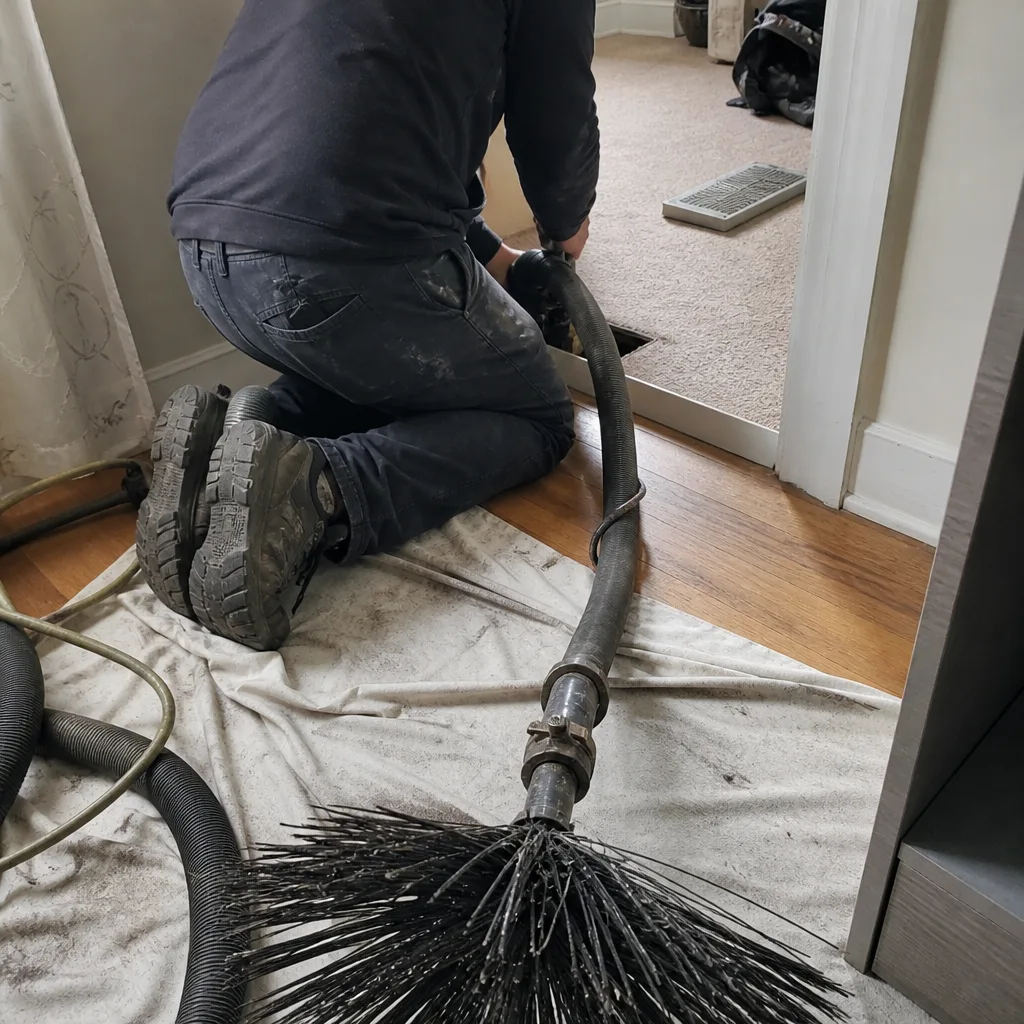 Before
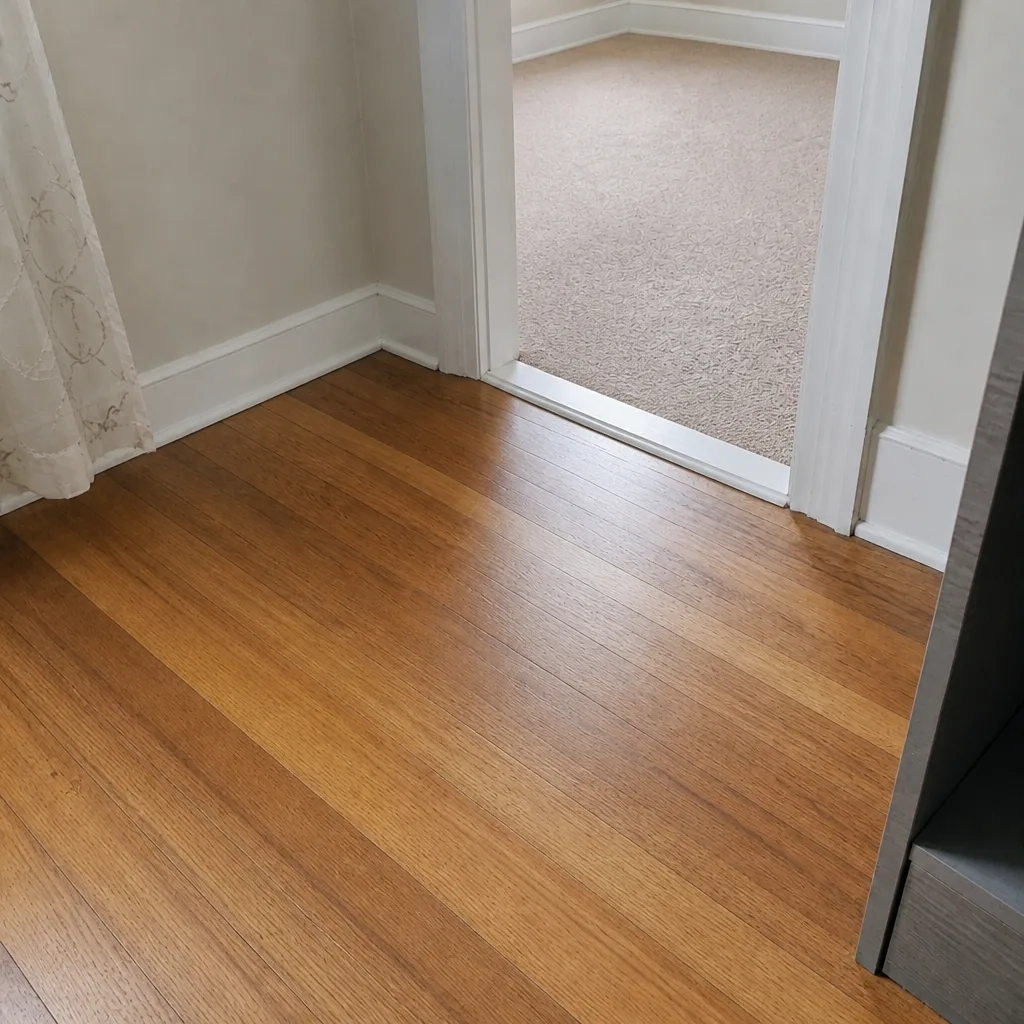 After
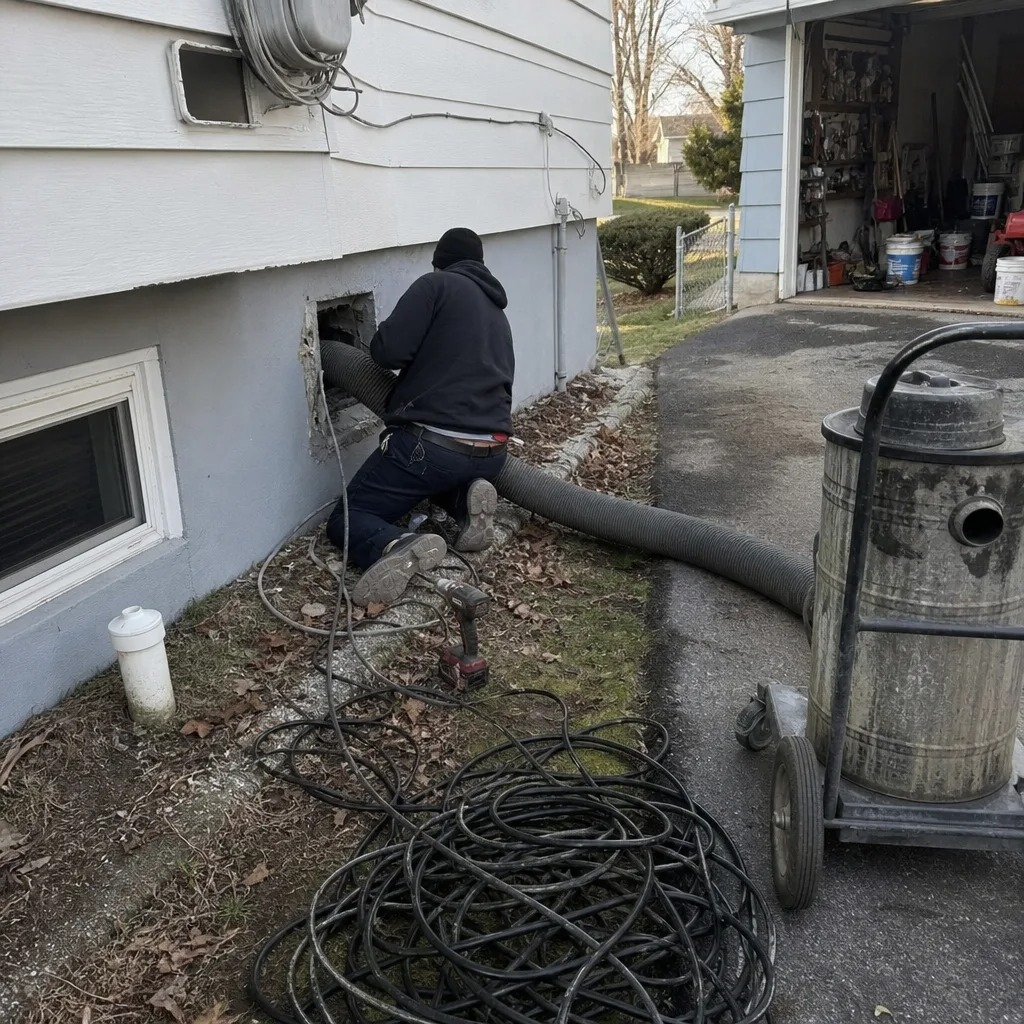 Before
 After
 Before
 After
When to Call a Professional
Call when you see visible mold inside a register or on duct surfaces, when a duct run has come loose or has visible tears in the flex, when a recent renovation left debris in the system, or when you’re buying a Bedford Park home and the inspection turns up undocumented duct work. Call when your system has never been cleaned and you notice dust returning to surfaces within days of cleaning. Call when a dry run from your dryer takes noticeably longer than it used to, since that’s a fire-safety issue, not an efficiency one.
Air Duct Cleaning Bedford Park offers free estimates in Bedford Park – call (844) 702-0856. We answer 24/7. Fast dispatch from 7am to 7pm, Sunday through Friday. We’ll tell you what the work involves, which parts of it are cleaning and which are alteration, and what documentation you should expect when we’re done.
Frequently Asked Questions
No. Air duct cleaning in Bedford Park is classified as maintenance, not construction, so it doesn’t require a permit from the NYC Department of Buildings. The moment the job includes replacing ductwork, adding new duct runs, or changing the duct system’s configuration, it becomes an alteration and a permit may be required. Ask the contractor to state in writing which category your job is in.
Often yes. Replacing duct runs, changing duct material, or connecting new equipment to the duct system is an alteration to a regulated building system under New York’s mechanical code, and that typically requires a filing. Because Bedford Park is within New York City, the filing goes through the NYC Department of Buildings rather than Nassau County. The contractor performing the work should be able to tell you whether a permit is needed and provide the filing number.
New York Labor Law 930 sets licensing requirements for mold assessment and remediation, administered through the state Department of Labor. It separates assessment from remediation, so the party doing the remediation typically isn’t the party that did the assessment. A company offering duct cleaning is not automatically licensed for mold remediation. Ask for the license before any mold work begins.
Encapsulation seals a contaminated liner surface in place with a coating that bonds to it. Removal takes the contaminated material out and, usually, replaces it. Encapsulation is appropriate when the contamination is surface-level and the liner is structurally sound; removal is required when the liner is degraded or contamination has penetrated it. The choice should be documented with the reasoning behind it.
Ask for a written scope before work starts, before-and-after photos of the duct interiors, a list of the products and equipment used, permit and inspection records if the work required them, and a signed completion statement. If mold remediation was involved, ask for the licensed remediator’s documentation as well. This package is what a buyer’s inspector will want to see at resale.
The NYC Department of Buildings. Bedford Park is in the Bronx, within New York City, so NYC Construction Codes and NYC permitting apply. Nassau County has a separate permitting system and does not govern Bedford Park addresses, even if the contractor you hire is based there. Confirm the issuing authority on any permit document before you accept it.
The Bottom Line
Cleaning your ducts doesn’t need a permit. Altering them might, and that’s the distinction Bedford Park homeowners need to hold onto. Duct repairs, flex replacement, and equipment connections fall under New York’s mechanical code, and in Bedford Park those filings go through the NYC Department of Buildings – not Nassau County. Mold inside a duct system is a remediation problem governed by Labor Law 930, not a cleaning problem, and the contractor handling it should hold the right license. Encapsulation and removal are different procedures with different documentation. Get the scope, the photos, the product list, and the permit records in writing, because that package is what protects you at resale. When you’re ready to talk through your system, call (844) 702-0856 for a free estimate. We answer 24/7. Fast dispatch from 7am to 7pm, Sunday through Friday.
Written by the team at Air Duct Cleaning Bedford Park.