
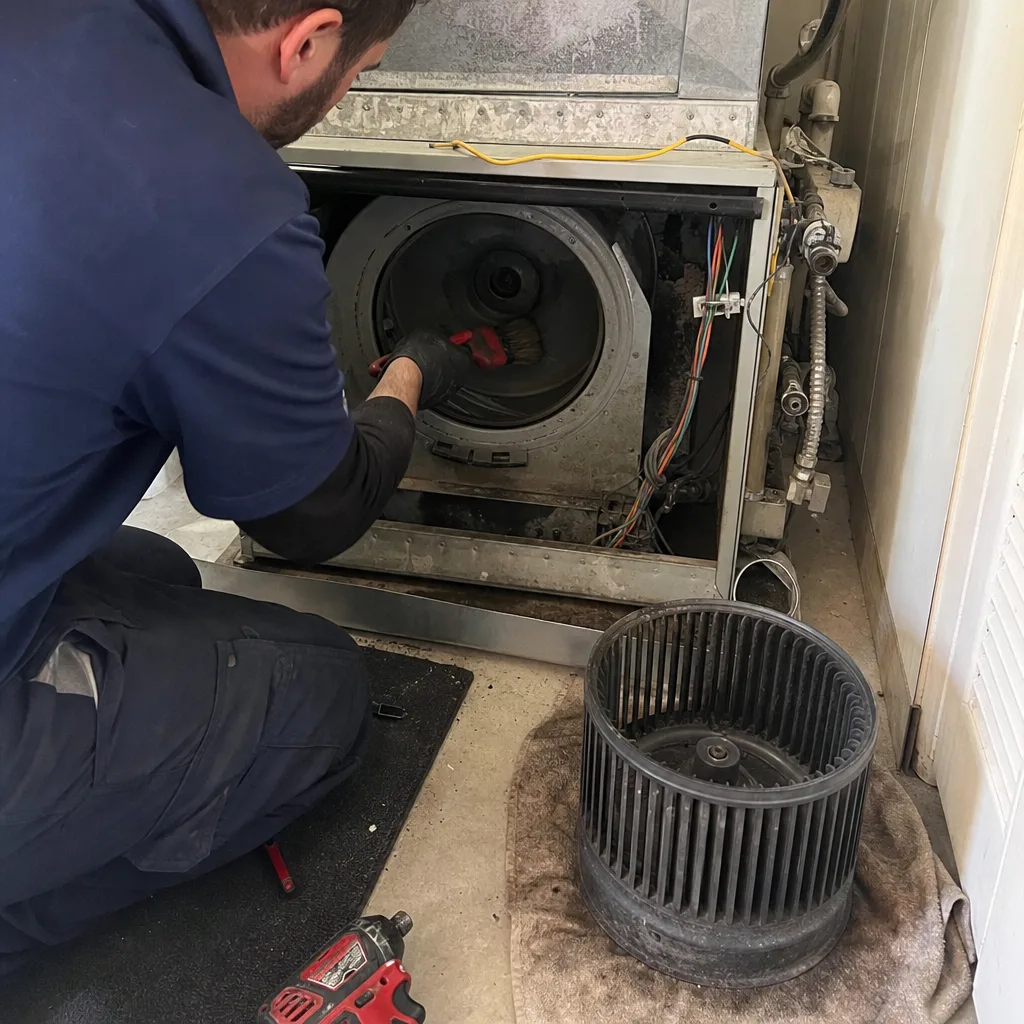
Last updated November 22, 2026
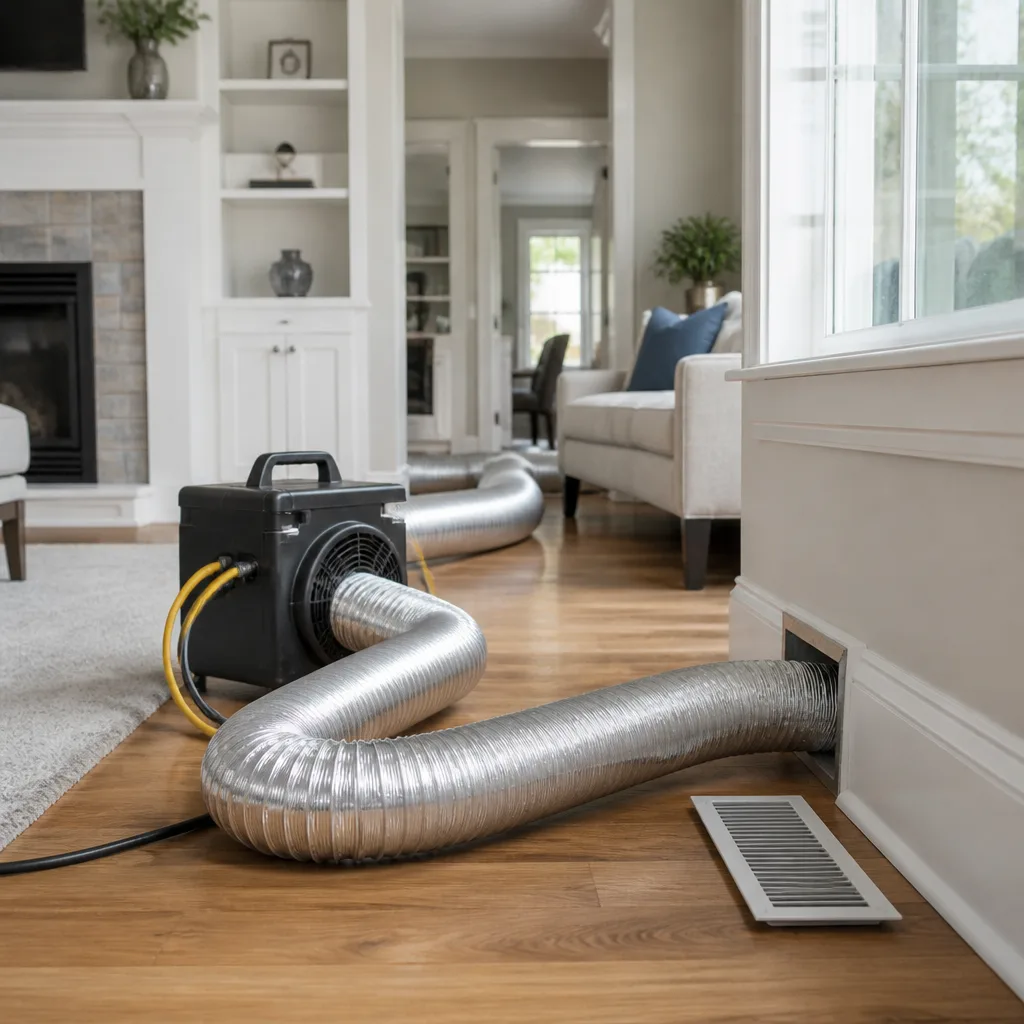 Whole-home duct cleaning
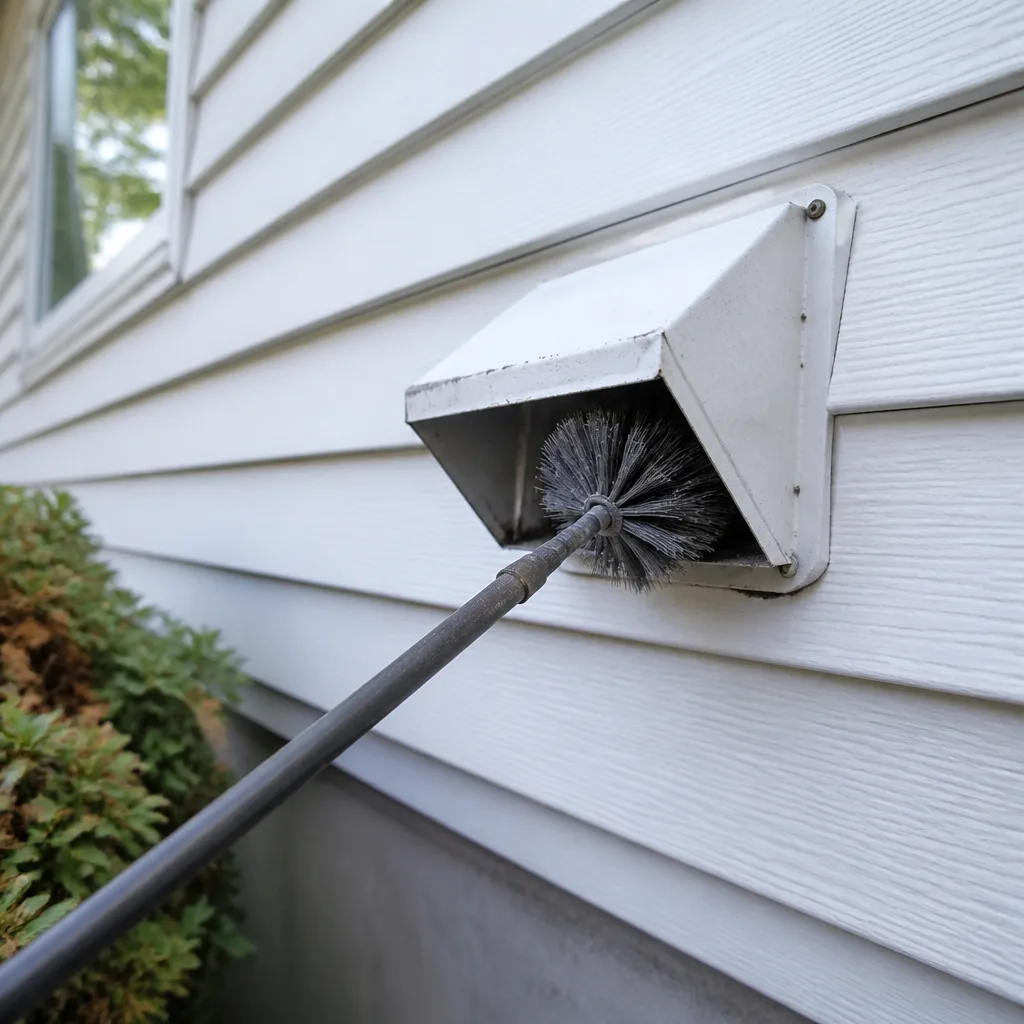 Dryer vent cleaning
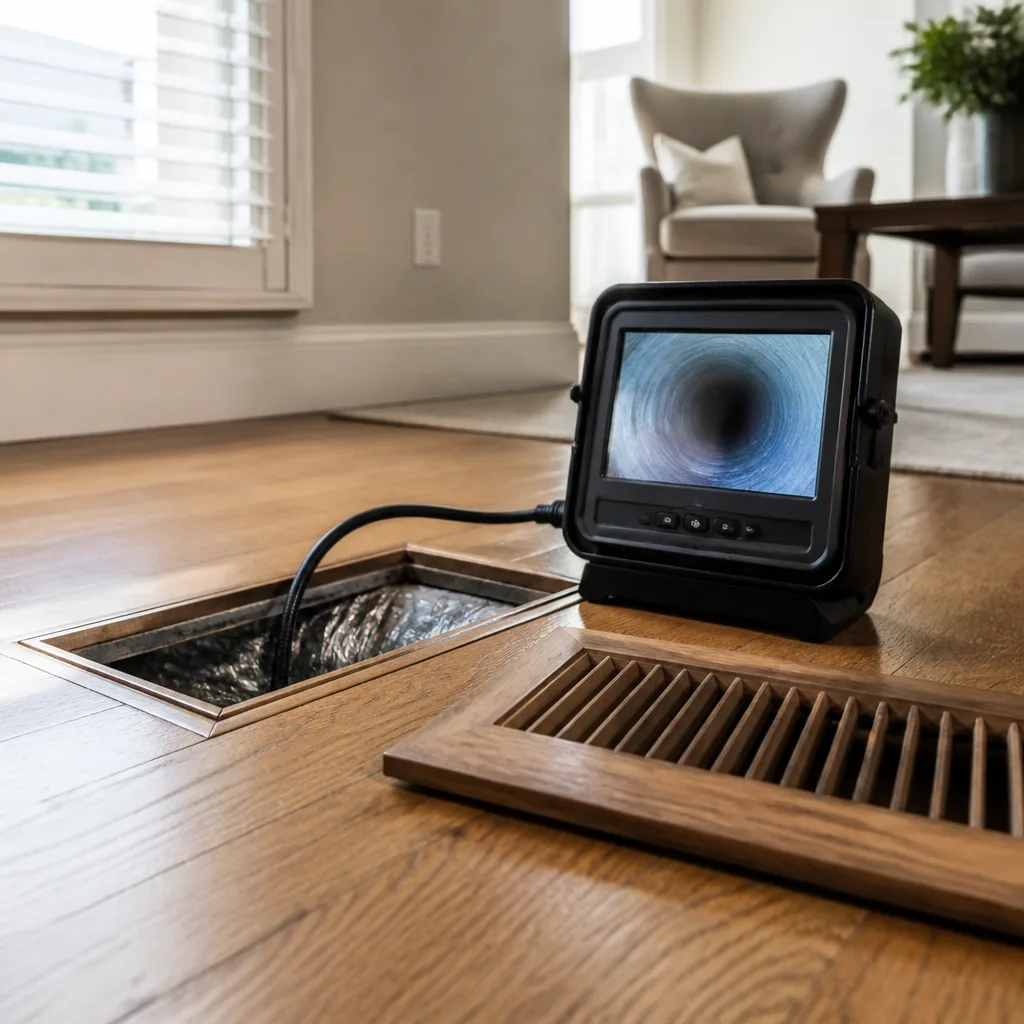 Camera inspection
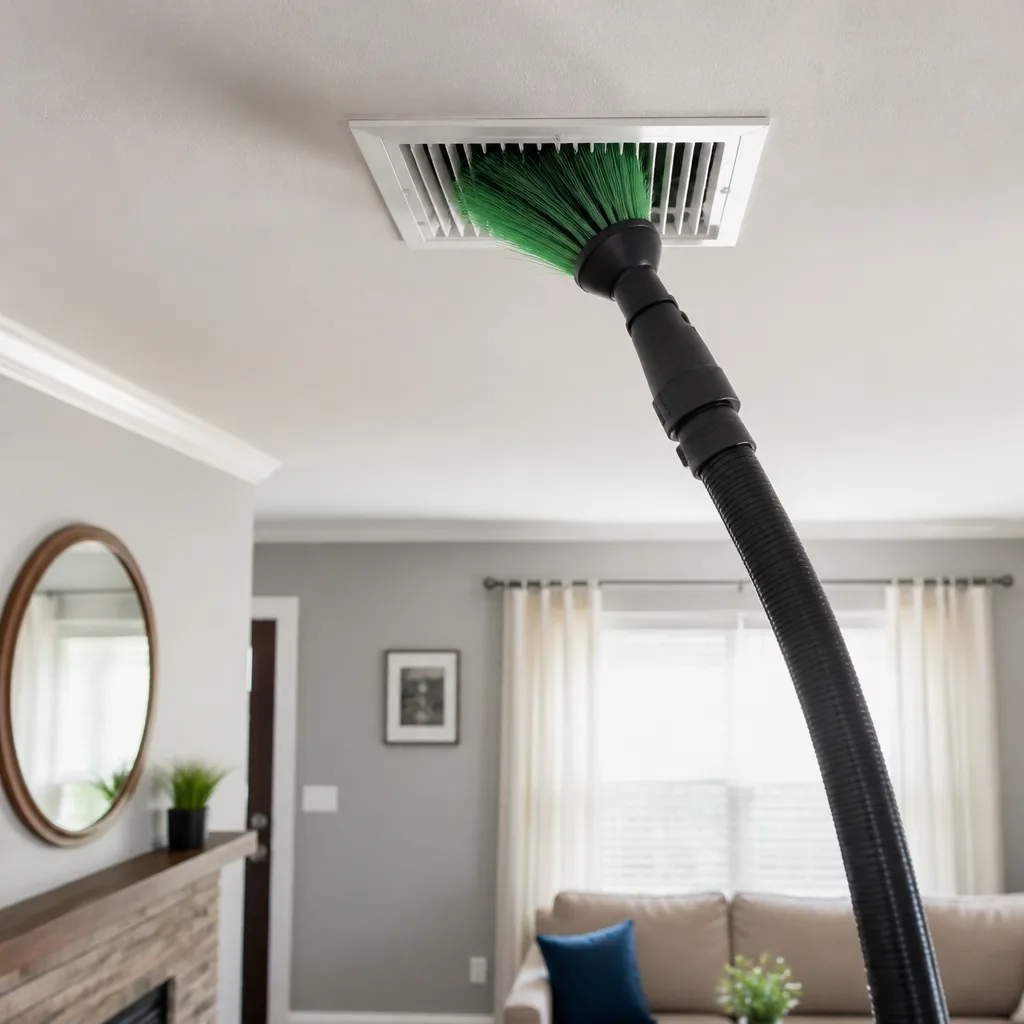 Sanitizing & deodorizing
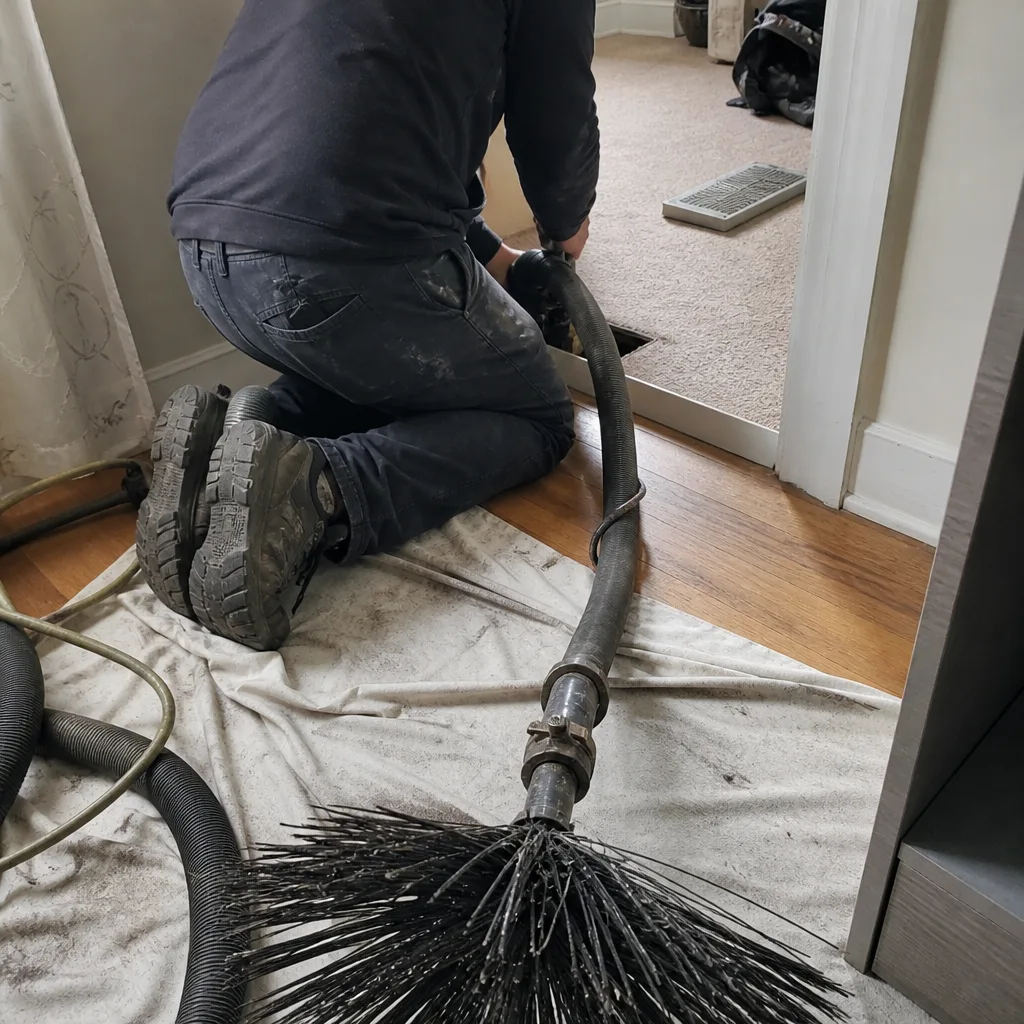
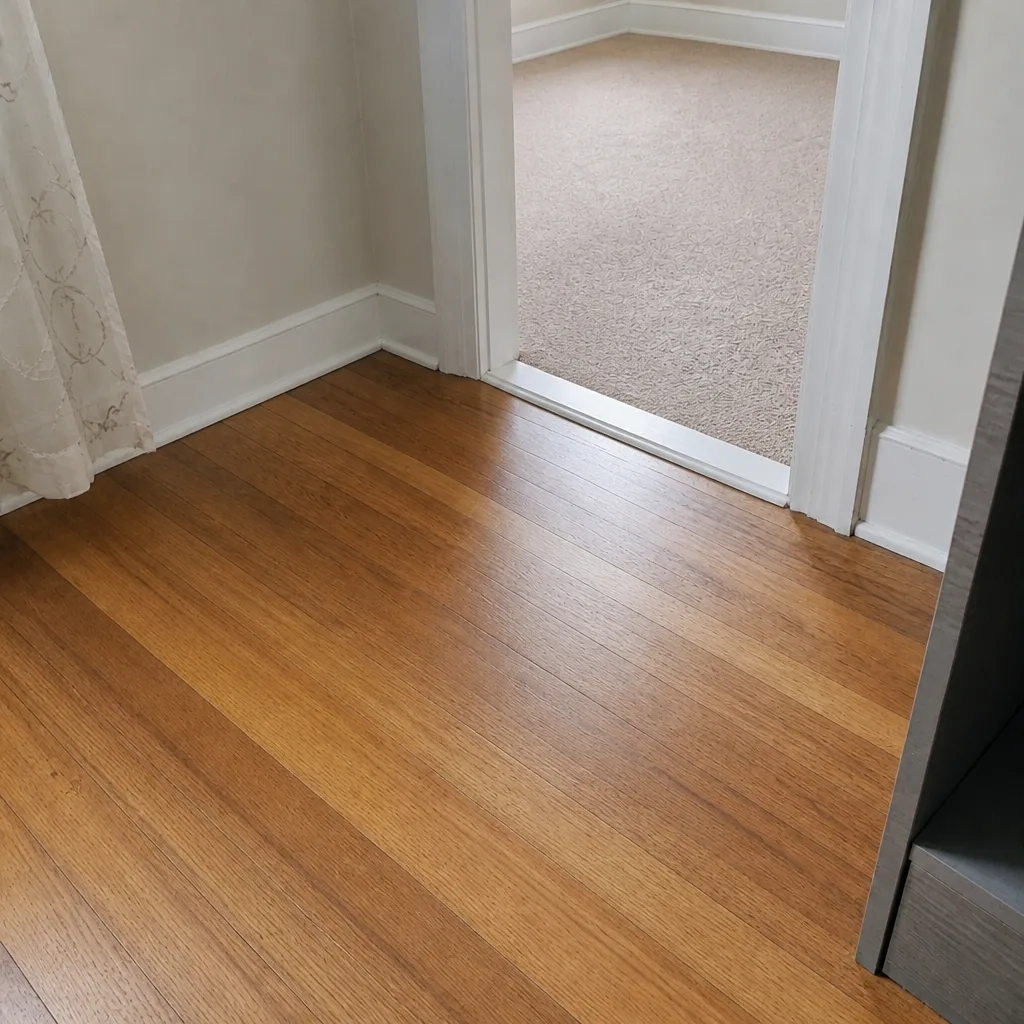
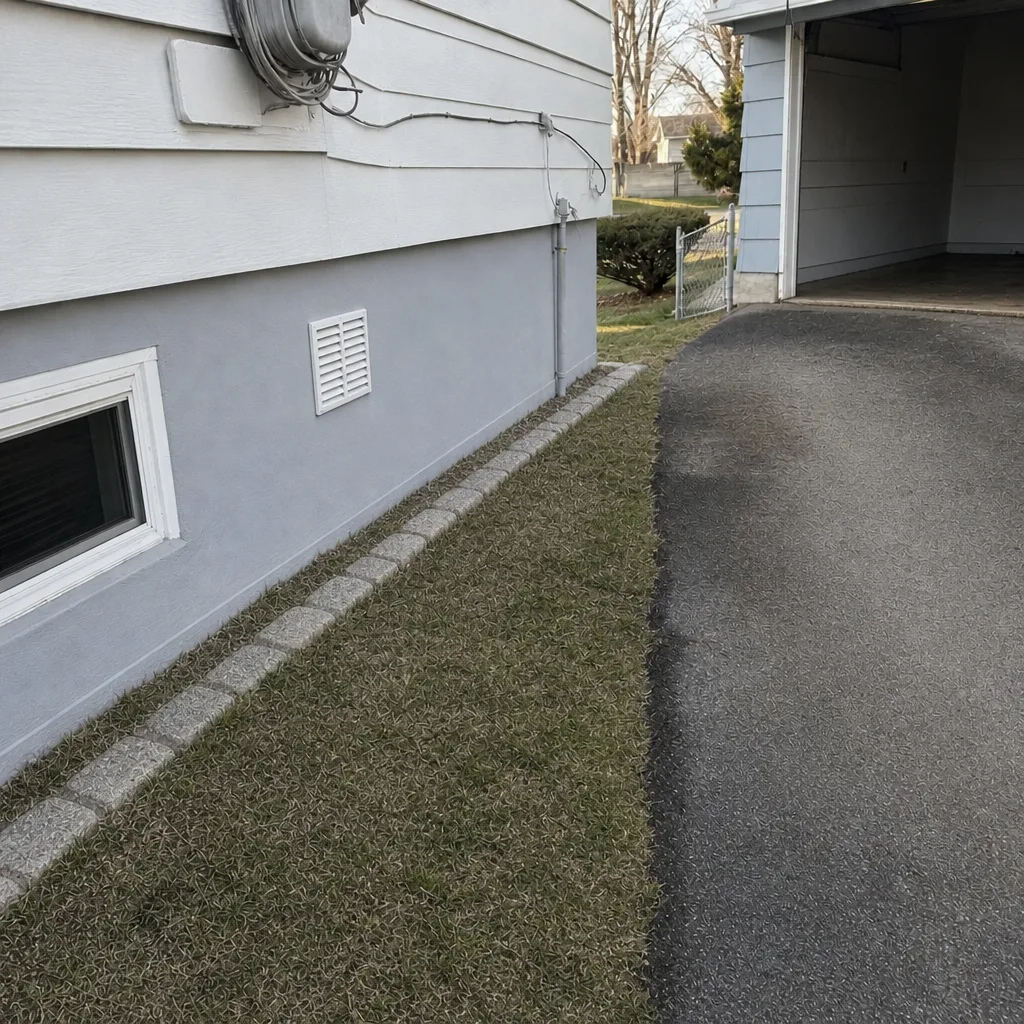
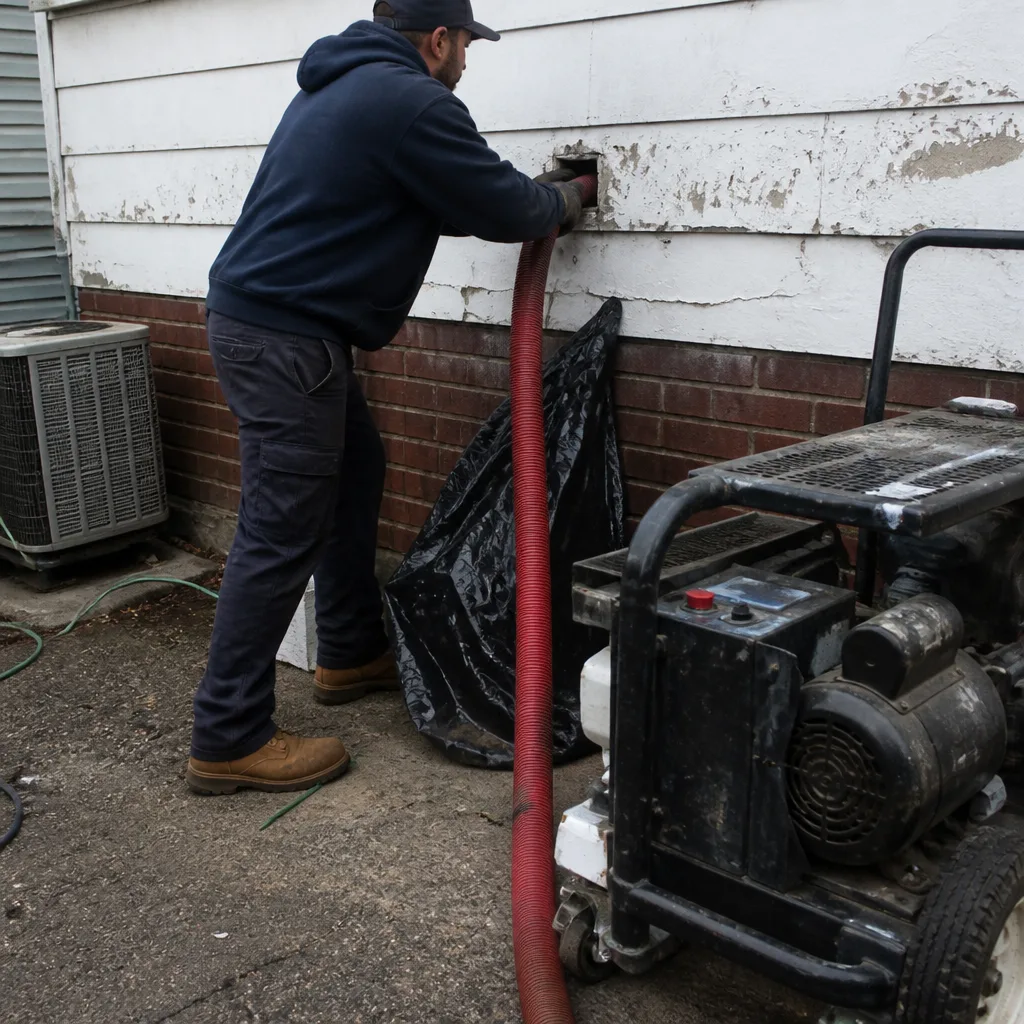
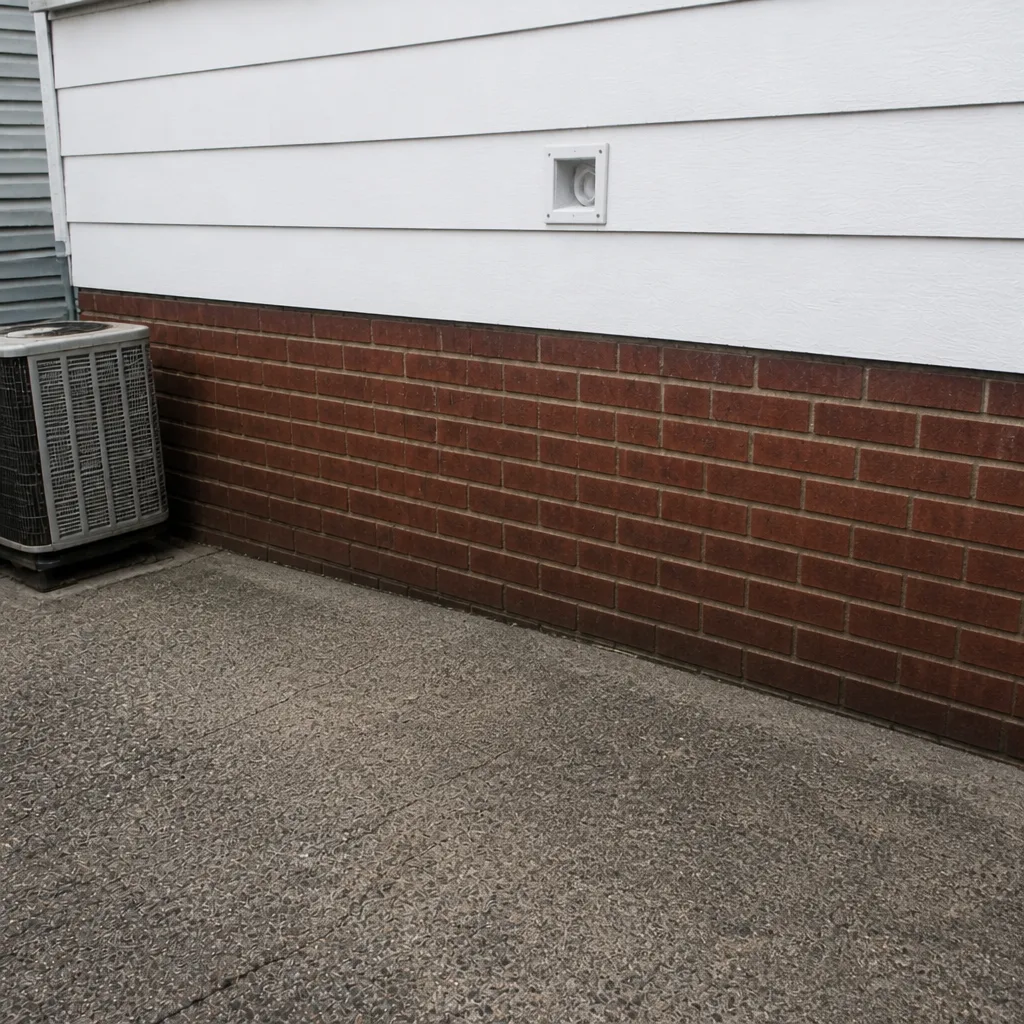
Whole-system duct and dryer vent check with before-and-after photos - you see exactly what came out of your vents
That "$99 whole-house special" is a bait ad - the real number appears once they are in your hallway, or the "clean" is a shop-vac at the register. We photograph the inside of your ducts before and after instead.
Air Duct Cleaning Maintenance Checklist for Bedford Park Homeowners
Most homeowners treat duct cleaning as a one-time event, something you do once and forget. That’s the misconception worth correcting first. A checklist that lives in a folder or a phone note and gets updated as you go is more valuable than any single cleaning, because it tells the next technician exactly what’s been done, what worked, and what’s still unresolved. If you can’t tell a contractor what MERV rating you’ve been running or when your ducts were last cleaned, every service call starts from zero, and you pay for diagnostic time that good records would have erased. This guide walks through the maintenance rhythm we recommend for Bedford Park homes with forced-air systems, from the items you can document yourself to the checkpoints worth verifying after a professional visit.
Quick Answer
A practical air duct maintenance checklist for a Bedford Park home has three layers: homeowner-side records (filter specs, register condition, odor notes, HVAC service dates), post-cleaning verification (seal integrity, airflow across rooms, access panel fit), and a recurring schedule of monthly, quarterly, and annual tasks. Keep the records current and share them with whoever services the system. That continuity is what separates a well-maintained forced-air system from one that gets cleaned, forgotten, and cleaned again.
Styles & brands we work with
- Whole-home duct cleaning
- Dryer vent cleaning
- Camera inspection
- Sanitizing & deodorizing
Table of Contents
- The Pre-Cleaning Checklist: What to Document Before Anyone Arrives
- What to Verify Right After a Professional Cleaning
- The Maintenance Rhythm for Bedford Park Forced-Air Homes
- Tracking Filter Changes and What Rapid Loading Tells You
- Documentation That Matters for Resale and Remediation
- Why Bedford Park’s Climate Changes the Schedule
- Sealing and Repair: The Step Most Checklists Skip
- Building a Service History Contractors Can Actually Use
The Pre-Cleaning Checklist: What to Document Before Anyone Arrives
Before you book a cleaning, spend fifteen minutes gathering information. This is the foundation of the living record, and it’s the part most homeowners skip entirely. A technician who arrives to a home with a folder showing filter history, register notes, and past HVAC service dates can diagnose faster and target the cleaning more precisely. That’s real value, and it costs you nothing but a little attention.
Here’s what to collect before the appointment:
- Filter specifications. Note the exact MERV rating, the size (width, height, depth), and the date of the last change. If you don’t know the rating, photograph the filter edge – the rating is usually printed there.
- Register condition by room. Walk each room and note which registers show dust buildup, dark staining, or visible debris. Photograph anything that looks unusual. A register with heavy dust while others are clean tells a specific story about that branch of ductwork.
- Odor log. Keep a short note of any persistent smells – musty, dusty, or chemical – and when they show up. Smells that appear only when the heat or AC kicks on suggest something in the duct or the air handler, not the room itself.
- HVAC service history. Collect dates and descriptions of any furnace, AC, or air handler service. Filter changes, blower cleanings, and coil cleanings all affect the duct system.
- Recent changes to the home. Renovation, a new roof, a basement project, or a recent move all introduce construction dust and debris that duct cleaning should account for.
If you’re unsure what to include, ask us what equipment we’re bringing and what documentation the technician will want to see. A reputable outfit will answer that without hesitation. In Bedford Park, we’ve found that homeowners who keep even a rough record get more useful recommendations because the conversation starts with facts instead of guesses.
What to Verify Right After a Professional Cleaning
The cleaning itself is only half the job. The verification step is where a checklist earns its keep, because it’s your chance to catch problems while the technician is still on site. Do this in the first hour after the work wraps up, before the crew leaves if you can.
Seal integrity at access panels. Every point where the technician cut into or opened the ductwork must go back together tight. Gaps at access panels are one of the most common sources of post-cleaning dust because unfiltered air gets pulled in from the basement or crawlspace. Run your hand along the seams – you should feel no air escaping while the system runs.
Airflow balance across rooms. Turn the system on and check each register. Airflow should feel similar from room to room. If one room now blows noticeably weaker than before, the damper or branch may need adjustment, or a flexible duct may have been pinched during the work.
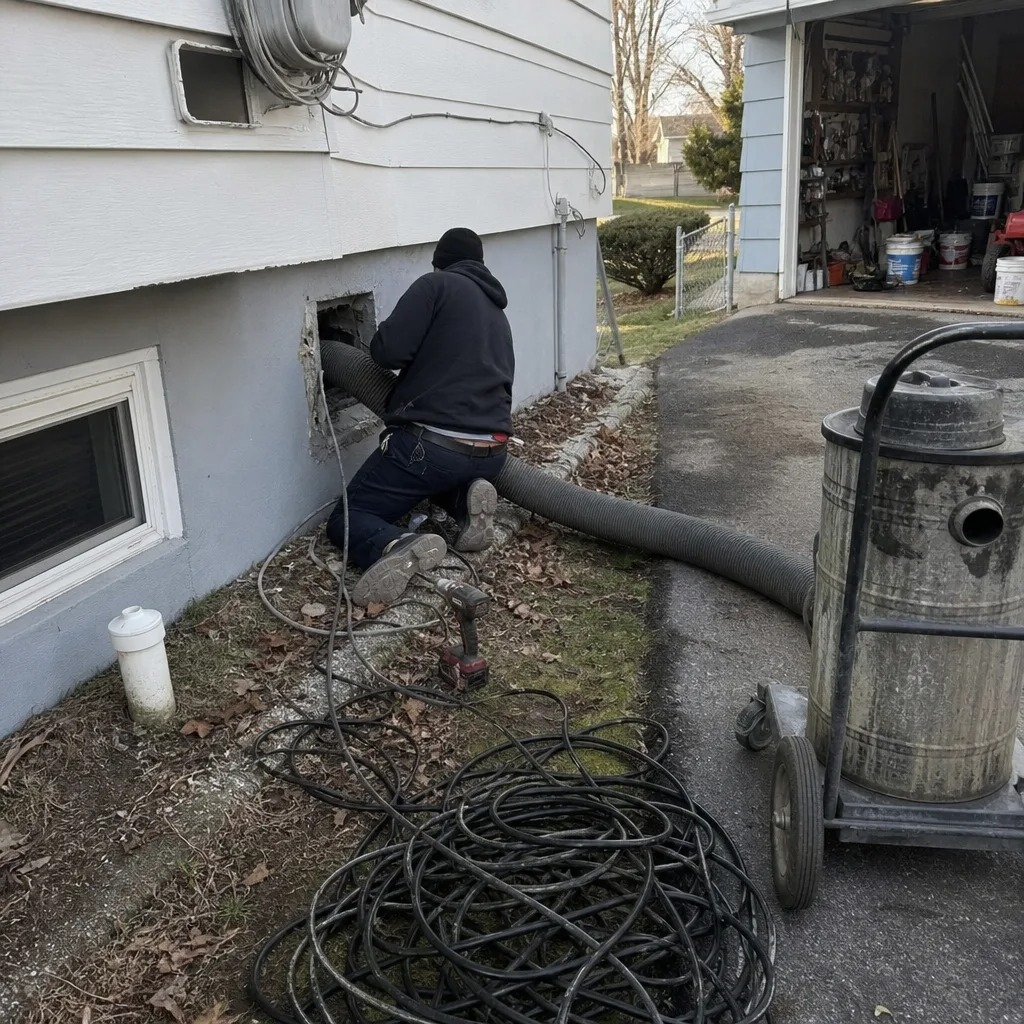
Visual confirmation. Ask for before-and-after photos of the ductwork interior. Our technicians use Nikro HEPA source-removal equipment specifically because it captures contaminants at the point of disturbance, and we document the work so you can see what changed. Any reputable cleaner should be able to show you the same.
Air quality during and after. A properly executed job controls dust in the home, not just in the ducts. We run Abatement Technologies air filtration during service to protect your living space while work is underway. If your house is visibly dusty after a cleaning, that’s a signal the containment step was skipped.
Once you’ve verified these four items, add a dated note to your record. That line becomes part of the history the next contractor will read.
The Maintenance Rhythm for Bedford Park Forced-Air Homes
A maintenance schedule only works if it fits the way you actually live. The rhythm below is built around a northeastern climate – long heating seasons, high summer humidity, and heavy pollen loads in spring – which is what Bedford Park homes deal with year after year.
Monthly tasks:
- Check the filter and note its condition. A quick visual is enough – if it’s grey with dust after a month, that’s data worth recording.
- Look at the return registers for new dust buildup. A sudden appearance of dust on the return grille is often the first sign filter loading has increased.
- Note any new smells. Write down when they appear and whether they’re tied to heating or cooling.
Quarterly tasks:
- Clean the supply registers and grilles with a damp cloth. This is cosmetic but it prevents dust from distributing back into rooms.
- Check that all access panels are still sealed. Seasonal temperature swings can open small gaps over time.
- Review your filter log and compare it against the previous quarter. Patterns matter more than any single observation.
Annual tasks:
- Schedule a full system check and, depending on your records, an air duct cleaning if the system shows signs of significant buildup.
- Schedule HVAC cleaning for the blower, coils, and air handler if it hasn’t been done in the last few years.
- Get your dryer vent cleaning done. This is a fire-prevention item that too many air duct companies treat as an afterthought.
- Update your records with this year’s service dates, photos, and any noted issues.
The rhythm isn’t rigid. A Bedford Park home with pets, recent renovations, or a family member with allergies may need more frequent checks. The point is that the schedule exists and gets followed.
Tracking Filter Changes and What Rapid Loading Tells You
Filter changes are the easiest thing to track and the most revealing. A written log of filter changes, with dates and MERV ratings, becomes a diagnostic tool over time. You’re not just replacing filters – you’re recording evidence about what’s happening in the system upstream.
Start with a simple table or note on your phone. Record the date, the MERV rating, the filter size, and a one-word condition (light, moderate, heavy). After a year, look for patterns.
What a pattern of rapid loading tells you:
- Filters fouling in weeks instead of months usually means a significant source of particulate is getting into the return system. That could be a duct leak pulling in attic or basement air, construction dust, or a gap at the air handler cabinet.
- One filter fouling faster than expected after a cleaning suggests the cleaning didn’t reach all branches, or a return duct has an issue that wasn’t addressed.
- Filters loading faster in heating season than cooling season is common in Bedford Park because the heating system runs longer. Note it, but don’t panic – it’s normal for a forced-air gas furnace to load filters harder in winter.
Bumping your MERV rating is a separate decision. Higher MERV captures more particles, but on older forced-air systems an overly restrictive filter can strain the blower. If you’re planning to move to a higher rating, ask about it during your HVAC cleaning appointment so the system can be checked for compatibility. We work with Honeywell and Aprilaire filtration products because they’re widely compatible with the premium residential systems we see in Bedford Park, and the equipment is well-understood.
The important habit is writing it down. A filter log without dates is just a memory.
Documentation That Matters for Resale and Remediation
A duct maintenance record is more than a personal habit. It’s the evidence trail you’ll want if you ever need to demonstrate what’s been done – and it’s occasionally requested during a home sale or an insurance conversation.
The fields worth keeping are consistent across most situations:
- Date and service type. Every cleaning, repair, sealing, or air quality installation gets an entry.
- Company and technician notes. Who performed the work and what they found.
- Before-and-after photos. Keep them in a folder tied to the date. Photos of ductwork interiors are unusually convincing.
- Equipment used. Note whether the job used contact cleaning, HEPA source removal, or air scrubbing. Naming the equipment matters if the work is ever questioned.
- Findings and recommendations. Note mold, moisture, pest evidence, or failed seals – and whether each was addressed.
- Filter history. Your filter log belongs with the service history, not separate.
If your HVAC has ever had visible mold growth, or you’ve had a leak in the system, that history matters. Having a documented record showing the timeline, the remediation steps, and the follow-up checks strengthens your position if you need to file a claim or respond to an inspection finding. Most insurers want to see that the homeowner took reasonable steps to maintain the system, and a dated checklist does exactly that.
Before a home sale, an unbroken service record is a tangible selling point. Buyers with allergies or respiratory concerns ask about duct history. A documented Bedford Park home answers that question with evidence, not assurance.
Why Bedford Park’s Climate Changes the Schedule
Bedford Park sits in a northeastern climate with a long heating season, humid summers, and heavy spring pollen. That combination affects duct maintenance more than most homeowners realize, and it’s why the schedule in this guide leans toward protecting the heating system during the colder months.
In winter, the forced-air furnace runs nearly continuously, which means the filter loads faster, the blower runs longer, and any gap at an access panel pulls cold basement or attic air into the supply stream. That’s not just an efficiency issue – it’s a comfort issue, and it’s why we recommend checking panel seals monthly during heating season. Cold drafts coming from a register that should be blowing warm air are often a seal problem, not a furnace problem.
In summer, humidity matters. Dew point climbs, the AC runs long cycles, and any cool surface in the system can condense moisture. A duct with a failed seal, a poorly insulated run, or a moisture source nearby is a place where mold can take hold. This is why we recommend a visual check of the ductwork during the cooling season, especially in older homes in Bedford Park where duct runs may not have been insulated to modern standards.
Spring pollen is the third variable. Pollen loads in this region are heavy, and a filter that was appropriate in January may load twice as fast in April. Note the change in your filter log; if the interval shortens, adjust the replacement schedule rather than ignoring it.
One more note: salt air is not a factor here, and hail is uncommon in this area. The climate issues that affect ducts in Bedford Park are seasonal temperature swings, humidity, and pollen, and the checklist should reflect that.
Sealing and Repair: The Step Most Checklists Skip
Cleaning without sealing is an incomplete job. We seal it, not just clean it, because the majority of duct systems we inspect have at least one disconnected joint, a failed seam, or an improperly seated access panel. A cleaning removes buildup; a sealing job prevents the system from pulling in new dust and air from unconditioned spaces.
What sealing typically involves:
- Testing the system for leaks at joints, seams, and connections using duct blaster or pressure testing equipment.
- Sealing gaps with mastic or foil tape at accessible points. The sealant choice depends on the duct material – flex, sheet metal, and duct board each need different treatment.
- Re-sealing access panels after cleaning. This is often skipped, and it’s one of the most common sources of post-cleaning dust.
- Checking return and supply ducts for sizing issues. An undersized return can cause pressure imbalances that pull air from unintended places.
Duct repair and sealing is one of our five core services, alongside cleaning and air quality systems, because the two jobs work together. Cleaning a leaking system and leaving the leaks gives dust a path back in. Sealing without cleaning leaves the contamination inside. The order matters, and the checklist should reflect it.
If your HVAC system is older, or if you’ve noticed one room that always feels dusty or one register that never seems to blow right, the sealing conversation is worth having. That symptom is often a mechanical problem, not a cleaning problem.
Building a Service History Contractors Can Actually Use
The point of all this documentation is to make the next service call easier. A well-kept record tells a technician what’s been tried, what’s failed, and where the system has known weaknesses. That saves diagnostic time, which saves you money, and it turns a routine appointment into a targeted one.
We recommend keeping the record in three places: a physical folder for anything printed, a phone note for quick field entries, and photos in a labeled album. Consistency matters more than format. If you have a single place where every service date, filter change, and observation lands, you have a service history. If it’s scattered across a drawer, you don’t.
When you call a contractor, mention the history exists. “I’ve got a folder with the last few years of duct service, filter logs, and photos” changes the conversation. It signals that you’re paying attention and that the technician should too. In our experience, that standard of recordkeeping is unusual, and it’s noticed.
Air Duct Cleaning Bedford Park works with the full indoor air quality chain, from cleaning to sealing to air quality and sanitizing systems, so the record stays in one place rather than splitting across three vendors. That’s one company, full system, from a single point of documentation.
Common Mistakes to Avoid
- Relying on memory instead of records. “I think we had it done a couple of years ago” is not a service history. Put the date in writing or it doesn’t count.
- Skipping the seal check after cleaning. A cleaning that leaves access panels unsealed reintroduces the problem within weeks. Verify the seals before the crew packs up.
- Changing filters without noting the MERV rating. The rating matters when a technician is diagnosing airflow issues. Note it every time.
- Cleaning ducts without addressing the source. Duct cleaning removes buildup; it doesn’t fix the leak, the filter problem, or the moisture issue that created it. The checklist should connect the two.
- Treating dryer vent cleaning as optional. It’s a fire-safety item and deserves a place on the annual list, not a mention as an upsell. The same is true for Bedford Park homes where the dryer vent run is long or has multiple bends.
- Ignoring a filter that loads faster after a cleaning. Rapid loading is diagnostic. If the interval shortens, investigate rather than shrug.
- Choosing a cleaner based on the lowest price. A low quote that turns into a much larger invoice once the technician is on site is the industry’s most common bait-and-switch. Ask what equipment will be used and get a flat price per system in writing before work starts.
See the difference
 Before
 After
 Before
 After
 Before
 After
When to Call a Professional
Some checklist items you can handle yourself. Others need a trained technician with the right equipment. Call a professional when you see visible mold inside the ductwork or on the air handler, when a persistent odor appears only when the system runs, when one room’s airflow drops noticeably and doesn’t recover, when you’ve had water damage or a leak near the duct system, or when you’re preparing to sell and the record has gaps. Call us too if the dryer has been running hotter than usual or taking two cycles to dry a load, since that’s often a vent issue. Air Duct Cleaning Bedford Park offers free estimates in Bedford Park – call (844) 702-0856. We answer 24/7, with fast dispatch from 7am to 7pm, Sunday through Friday.
Frequently Asked Questions
Air duct cleaning in Bedford Park is priced per system, not per vent, and the range depends on the size of the home and the condition of the ductwork. We provide a written estimate before work starts, and the price you agree to is the price you pay. Call (844) 702-0856 for an exact quote – estimates are free.
Low quotes usually reflect a different scope: less equipment, less time, and sometimes no actual cleaning beyond a quick surface pass. A fair quote covers the equipment, the containment, and the verification. Ask what system will be used and whether the seal check is included. Call (844) 702-0856 and we’ll walk you through what’s included.
Before-and-after photos of the ductwork interior are the clearest evidence. Ask for them as part of the service. We document the work so you can see what changed. Call (844) 702-0856 if you’d like to see what that looks like.
Most homes do well with a cleaning every three to five years, with annual inspections in between. Homes with pets, recent renovations, or allergy concerns often need it more often. Your filter log will tell you when the interval should shorten. Call (844) 702-0856 to talk through your specific situation.
Filter size and MERV rating, dates of recent changes, any visible register buildup, persistent odors, and recent HVAC service history. A simple folder or phone note is enough to start. Call (844) 702-0856 if you want a template to follow.
Yes. Dryer vent cleaning is a fire-prevention measure and belongs on the annual list alongside duct and HVAC cleaning. It’s a core service for us, not an upsell. Call (844) 702-0856 to schedule it together with a duct inspection.
Light surface cleaning of registers and grilles is fine for a homeowner; deep ductwork cleaning is not a safe DIY project. The equipment needed to reach contamination without spreading it into living spaces is professional-grade. For anything beyond surface work, call (844) 702-0856.
Document the timeline and the remediation steps carefully. A record showing inspection dates, findings, and corrective work strengthens your position with an insurer. We handle air quality and sanitizing as part of the five-service scope, and we can document that work. Call (844) 702-0856 for a free estimate.
The Bottom Line
A maintenance checklist for a Bedford Park home is not a cleaning reminder. It’s the service history that makes every future appointment faster, more targeted, and easier to justify. The three layers – homeowner records, post-cleaning verification, and a monthly/quarterly/annual rhythm – give you a complete picture of the system. The filter log, the photos, and the dated entries become evidence if you ever need it. Start small. Keep the record in one place. Share it with the technician. That single habit does more for your duct system than any single cleaning.
Ready to start a documented maintenance schedule? Call Air Duct Cleaning Bedford Park at (844) 702-0856 for a free estimate. We answer 24/7, with fast dispatch from 7am to 7pm, Sunday through Friday. We use remediation-grade equipment and document every job, so your record starts with real evidence. Air Duct Cleaning Bedford Park is where to begin.
Written by the team at Air Duct Cleaning Bedford Park.